Jan Holzer – författare
Visar alla böcker från författaren Jan Holzer. Handla med fri frakt och snabb leverans.
11 produkter
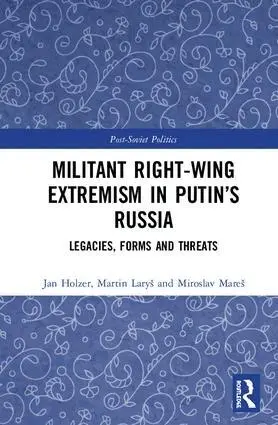
Militant Right-Wing Extremism in Putin's Russia
Legacies, Forms and Threats
Av Jan Holzer, Martin Larys m. fl.
E-bok, 2018
814 kr
Lägg i varukorg
Militancy continues to be characteristic of many supporters of the Russian far right, encompassing a belligerent rhetoric, a strong perception of participants as political warriors and often the use of physical violence. How serious a threat does Russian militant right-wing extremism pose to Russia …
Militant Right-Wing Extremism in Putin's Russia
Legacies, Forms and Threats
Av Jan Holzer, Martin Larys m. fl.
E-bok, 2018
814 kr
Lägg i varukorg
Militancy continues to be characteristic of many supporters of the Russian far right, encompassing a belligerent rhetoric, a strong perception of participants as political warriors and often the use of physical violence. How serious a threat does Russian militant right-wing extremism pose to Russia …
Militant Right-Wing Extremism in Putin’s Russia
Legacies, Forms and Threats
Av Miroslav Mareš, Martin Laryš m. fl.
Häftad, 2021
713 kr
Lägg i varukorg
Militancy continues to be characteristic of many supporters of the Russian far right, encompassing a belligerent rhetoric, a strong perception of participants as political warriors and often the use of physical violence. How serious a threat does Russian militant right-wing extremism pose to Russia …
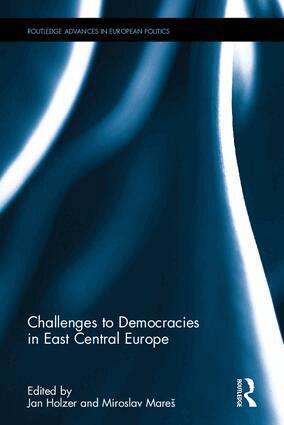
Challenges to Democracies in East Central Europe
Häftad, 2018
824 kr
Lägg i varukorg
Democratic development in Central and Eastern Europe is not a finished project, nor is its progress immune to internal and external threats. The current social, economic, ethnic and political situation within the region presents new dangers.This text identifies and analyses challenges to current …
Militant Right-Wing Extremism in Putin’s Russia
Legacies, Forms and Threats
Av Miroslav Mareš, Martin Laryš m. fl.
Inbunden, 2018
2515 kr
Lägg i varukorg
Militancy continues to be characteristic of many supporters of the Russian far right, encompassing a belligerent rhetoric, a strong perception of participants as political warriors and often the use of physical violence. How serious a threat does Russian militant right-wing extremism pose to Russia …
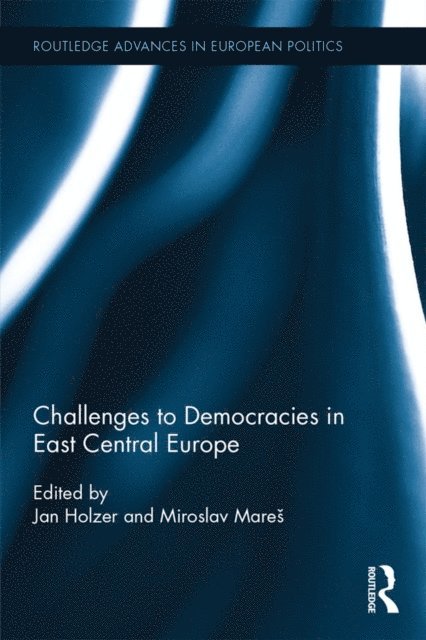
Challenges to Democracies in East Central Europe
Inbunden, 2016
2515 kr
Lägg i varukorg
Democratic development in Central and Eastern Europe is not a finished project, nor is its progress immune to internal and external threats. The current social, economic, ethnic and political situation within the region presents new dangers.This text identifies and analyses challenges to current …
Challenges to Democracies in East Central Europe
E-bok, 2016
970 kr
Lägg i varukorg
Democratic development in Central and Eastern Europe is not a finished project, nor is its progress immune to internal and external threats. The current social, economic, ethnic and political situation within the region presents new dangers. This text identifies and analyses challenges to current …
Challenges to Democracies in East Central Europe
E-bok, 2016
942 kr
Lägg i varukorg
Democratic development in Central and Eastern Europe is not a finished project, nor is its progress immune to internal and external threats. The current social, economic, ethnic and political situation within the region presents new dangers. This text identifies and analyses challenges to current …
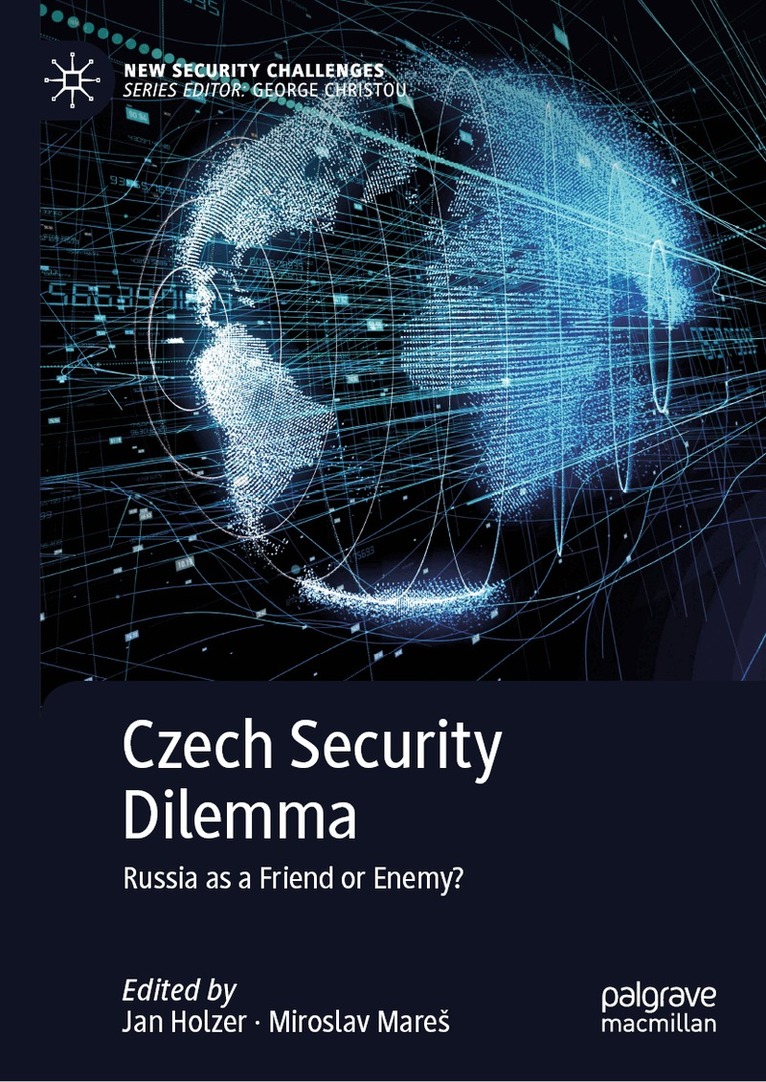
Czech Security Dilemma
Russia as a Friend or Enemy?
Inbunden, 2019
1129 kr
Lägg i varukorg
This volume examines the future directions of Czech international policy through an interdisciplinary analysis of both historical and current Russian-Czech relations. It analyses Czech relations with Russia based on their historical heritage underpinned by the superpower’s behaviour and interests …
Czech Security Dilemma
Russia as a Friend or Enemy?
Häftad, 2020
792 kr
Lägg i varukorg
This volume examines the future directions of Czech international policy through an interdisciplinary analysis of both historical and current Russian-Czech relations. It analyses Czech relations with Russia based on their historical heritage underpinned by the superpower’s behaviour and interests …
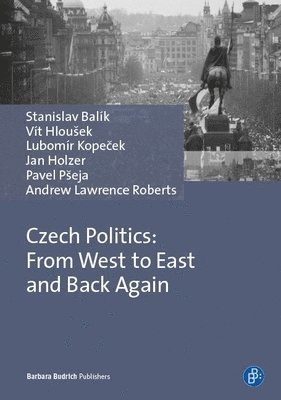
Czech Politics: From West to East and Back Again
Av Stanislav Balík, Vít Hloušek m. fl.
Häftad, 2017
983 kr
Lägg i varukorg
This volume provides a comprehensive overview of Czech politics, past and present. The authors not only cover the main political developments of the past two centuries, they also situate the current political system in the context of communist and pre-communist legacies. They argue that amidst the …