
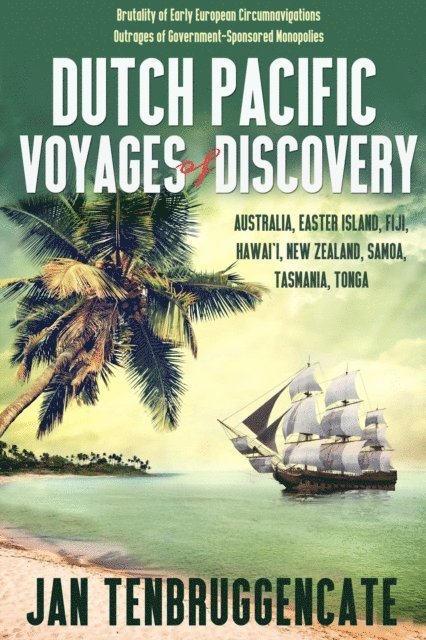
Dutch voyagers from 1599 through the middle 1700s discovered many of the major island groups in the Pacific, including Australia, Easter Island, Fiji, Hawai`i, New Zealand, Samoa and Tonga. Three of those expeditions went east to west around Cape Horn and were led by independent adventurers who challenged the monopoly of the Dutch East India Company, in hopes of finding an alternate route to lucrative spice trading ports. Some also acted as pirates or privateers, attacking Spanish and Portuguese interests in the New World. They were brutal trips in the way the voyagers treated those they met, but also in the way in which they were treated. Many sailors died of scurvy and other illness and many others by violent acts. Most sailors on these expeditions did not survive to see Holland again. Ships were lost at sea, through shipwreck or through confiscation by the Dutch East India Company when they reached their goals. Many voyages made later with the permission of the monopoly explored Pacific islands from the west to the east. This volume reviews in detail the actual voyages as well as the political and economic issues that surrounded them in the Netherlands.

The Pacific's pirate history ranks among its stories ship-attacking treasure hunters, human traffickers called blackbirders, and other brutal maritime criminals of all sorts. This volume contains a representative series of stories that starts with the first Europeans to enter and cross the great ocean and continues right through the modern era. Some of the names are famous, like the pirate Bully Hayes, the Chinese pirate empress Cheng I Sao, the brutal murderer Dr. James Patrick Murray, and the buried treasure of the Esperanza. The Caribbean and the Barbary Coast are better known as pirate havens, but the Pacific was just as bloody, just as lawless, and certainly as colorful.
Dutch voyagers from 1599 through the middle 1700s discovered many of the major island groups in the Pacific, including Australia, Easter Island, Fiji, Hawai`i, New Zealand, Samoa and Tonga. Three of those expeditions went east to west around Cape Horn and were led by independent adventurers who challenged the monopoly of the Dutch East India Company, in hopes of finding an alternate route to lucrative spice trading ports. Some also acted as pirates or privateers, attacking Spanish and Portuguese interests in the New World. They were brutal trips in the way the voyagers treated those they met, but also in the way in which they were treated. Many sailors died of scurvy and other illness and many others by violent acts. Most sailors on these expeditions did not survive to see Holland again. Ships were lost at sea, through shipwreck or through confiscation by the Dutch East India Company when they reached their goals. Many voyages made later with the permission of the monopoly explored Pacific islands from the west to the east. This volume reviews in detail the actual voyages as well as the political and economic issues that surrounded them in the Netherlands.
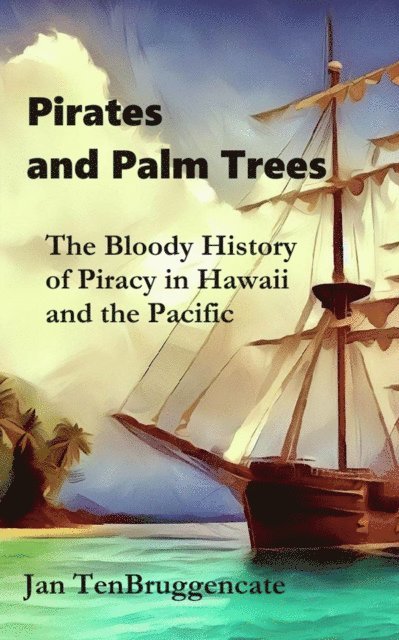
The Pacific's pirate history ranks among its stories ship-attacking treasure hunters, human traffickers called blackbirders, and other brutal maritime criminals of all sorts. This volume contains a representative series of stories that starts with the first Europeans to enter and cross the great ocean and continues right through the modern era. Some of the names are famous, like the pirate Bully Hayes, the Chinese pirate empress Cheng I Sao, the brutal murderer Dr. James Patrick Murray, and the buried treasure of the Esperanza. The Caribbean and the Barbary Coast are better known as pirate havens, but the Pacific was just as bloody, just as lawless, and certainly as colorful.