Jörg Noller – författare
Visar alla böcker från författaren . Handla med fri frakt och snabb leverans.
4 produkter
4 produkter
Inbunden, Engelska, 2026
766 kr
Skickas inom 7-10 vardagar
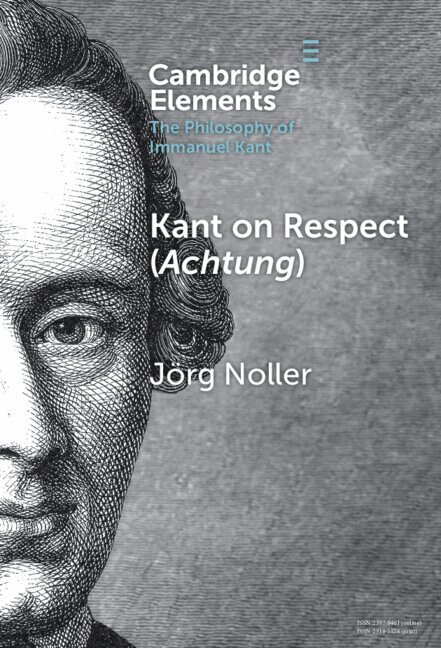
This Element reconstructs Kant's puzzling statements about the moral feeling of respect (Achtung), which is 'a feeling self-wrought by means of a rational concept and therefore specifically different' from all common feelings (4:401n.). The focus is on the systematic position of respect within the framework of Kant's major works and within the faculties of the human mind. The concept of respect is discussed with regard to (i) the transcendental problem of noumenal causation in Kant's first Critique; (ii) the practical problem of moral motivation in Kant's second Critique; (iii) the aesthetic problem of feeling and the dynamic sublime in Kant's third Critique; and (iv) the problem of moral imputability and education in Kant's Religion and Metaphysics of Morals. By considering its self-reflective volitional structure, this Element argues for a compatibilist account of the moral feeling of respect, according to which both intellectualist and affectivist interpretations are true.
Häftad, Engelska, 2026
238 kr
Skickas inom 7-10 vardagar
This Element reconstructs Kant's puzzling statements about the moral feeling of respect (Achtung), which is 'a feeling self-wrought by means of a rational concept and therefore specifically different' from all common feelings (4:401n.). The focus is on the systematic position of respect within the framework of Kant's major works and within the faculties of the human mind. The concept of respect is discussed with regard to (i) the transcendental problem of noumenal causation in Kant's first Critique; (ii) the practical problem of moral motivation in Kant's second Critique; (iii) the aesthetic problem of feeling and the dynamic sublime in Kant's third Critique; and (iv) the problem of moral imputability and education in Kant's Religion and Metaphysics of Morals. By considering its self-reflective volitional structure, this Element argues for a compatibilist account of the moral feeling of respect, according to which both intellectualist and affectivist interpretations are true.
Häftad, Engelska, 2026
231 kr
Kommande
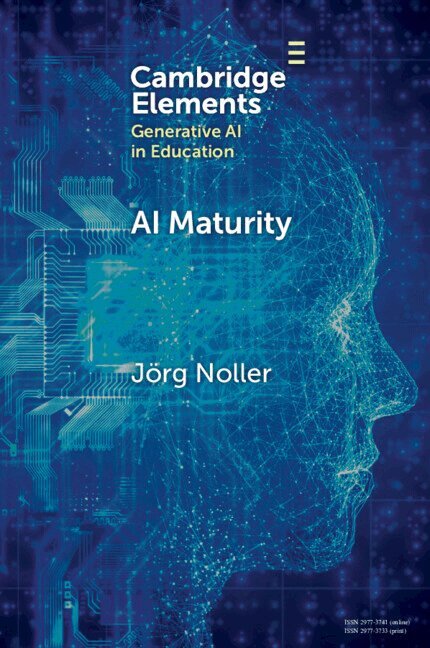
This Element explores how generative AI transforms education, not only by requiring new forms of literacy but by demanding a framework of autonomy, responsibility, and epistemic virtues. Current AI literacy frameworks emphasize technical proficiency, yet remain incomplete without addressing the normative risks of AI immaturity. This Element argues that education must promote AI maturity: the ability to use AI without succumbing to cognitive offloading, algorithmic dependence, or epistemic heteronomy. It identifies key forms of AI immaturity and reconceptualizes prompting as a dialogical practice paralleling the Socratic method - the art of questioning, iterating, and critically engaging AI. Finally, it introduces a framework of epistemic virtues that enables students and citizens to resist disempowerment and cultivate epistemic autonomy. By bridging philosophy and pedagogy, the Element shows how generative AI can become a medium of epistemic autonomy, offering concrete guidance for curricula, assessment, and classroom practice.
Inbunden, Engelska, 2026
745 kr
Kommande
This Element explores how generative AI transforms education, not only by requiring new forms of literacy but by demanding a framework of autonomy, responsibility, and epistemic virtues. Current AI literacy frameworks emphasize technical proficiency, yet remain incomplete without addressing the normative risks of AI immaturity. This Element argues that education must promote AI maturity: the ability to use AI without succumbing to cognitive offloading, algorithmic dependence, or epistemic heteronomy. It identifies key forms of AI immaturity and reconceptualizes prompting as a dialogical practice paralleling the Socratic method - the art of questioning, iterating, and critically engaging AI. Finally, it introduces a framework of epistemic virtues that enables students and citizens to resist disempowerment and cultivate epistemic autonomy. By bridging philosophy and pedagogy, the Element shows how generative AI can become a medium of epistemic autonomy, offering concrete guidance for curricula, assessment, and classroom practice.