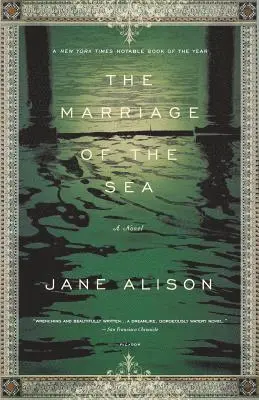
In a damp Venetian palace, Oswaldo contemplates the ravages of time to his body and his beloved city. In New York, Lach savours his freedom, having just dropped Vera to join his new love, Francesca, in Venice. In rainy London, Max packs for New Orleans, in pursuit of Lucinde, a woman he barely knows. From New Orleans, Lucinde flies to the aid and comfort of Vera, who has accepted a grant to paint in Venice. While elsewhere in the Crescent City, Anton, leaving for Venice, sketches a good-bye upon the slumbering body of his wife, Josephine. With wit, sympathy; and surpassing deftness, Jane Alison choreographs an intricate dance among these characters, whom love and loneliness, aspiration and desperation, have drawn to two famously romantic, venal, and elusive cities of water.
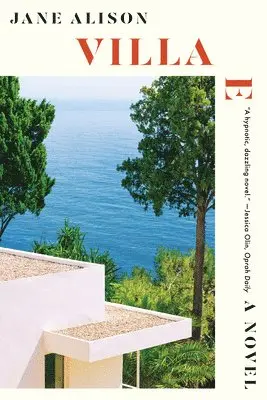
Along the glittering coast of southern France, among a jungle of olive trees and aloes, a white villa rose from an earthen terrace. Eileen, a new architect previously known for her elegant chairs and furniture, built it as a haven for her and her lover; she realized each detail, designing the villa around their movements and habits. When the outspoken Le G, a founder of Modernist architecture, first laid eyes on the house, he could see his influence in the sleek lines. Affronted and impassioned, he took a paintbrush to the villa’s clean, white walls . . .Now, Le G is in the final week of his life. He has spent the last thirty years infiltrating Eileen’s house, erasing her presence and forgetting her name. But finally, the tide has come in, and Eileen is called back to her beloved coastline, where both artists will contend with the transformative power of memory.Inspired by the real-life collision of Irish designer Eileen Gray and famed Swiss architect Le Corbusier, and the extraordinary place that bound them, Jane Alison boldly reimagines a now-infamous feud into a lushly poetic and mesmerizing novel of power, predation, and obsession.
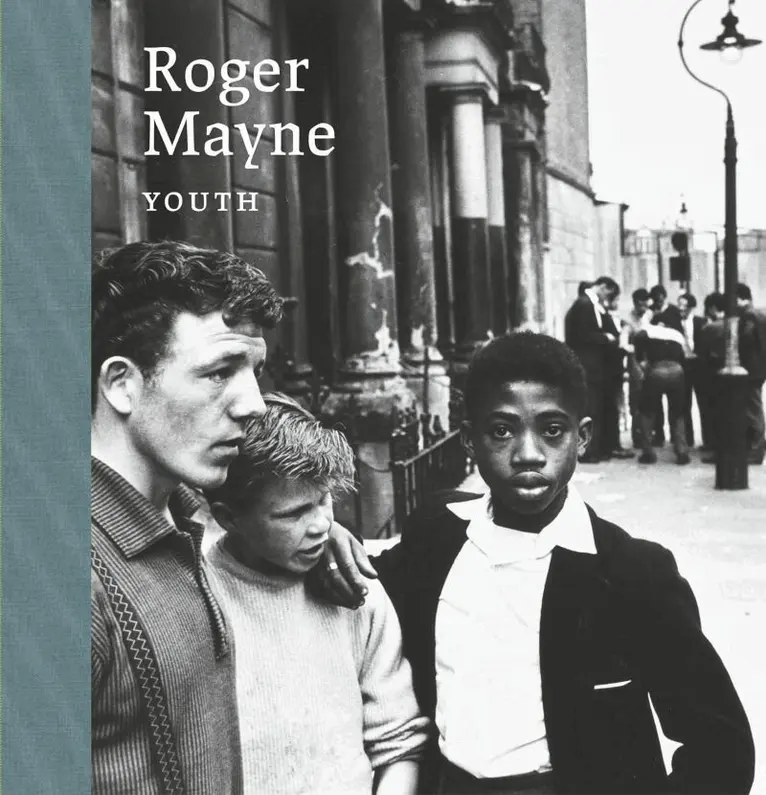
Self-taught and influential in the advocacy of photography as an art form, Mayne was passionate about representing human life as he found it – most famously, in his street images of low-income communities in West London. Capturing children at play and the emerging phenomenon of the ‘swaggering teenager’, Mayne discovered in the young a defining energy that perfectly embodied both the scars and the vitality of post-war Britain.The exhibition of more than sixty photographs brings together a selection of Mayne’s iconic London scenes with later, almost entirely unknown intimate portraitsof his own family in rural Dorset. While these two strands have a different tenor, they share Mayne’s radical empathy and his evident desire to create images with lasting impact, sensitivity and artistic integrity. With those pictured from the 1950s now in their senior years and a new generation of young people faced with myriad crises, Mayne’s images of childhood, adolescence and family feel especially poignant and timely.The catalogue is richly illustrated and includes an original essay by Jane Alison and an interview with Mayne’s daughter, Katkin Tremayne.