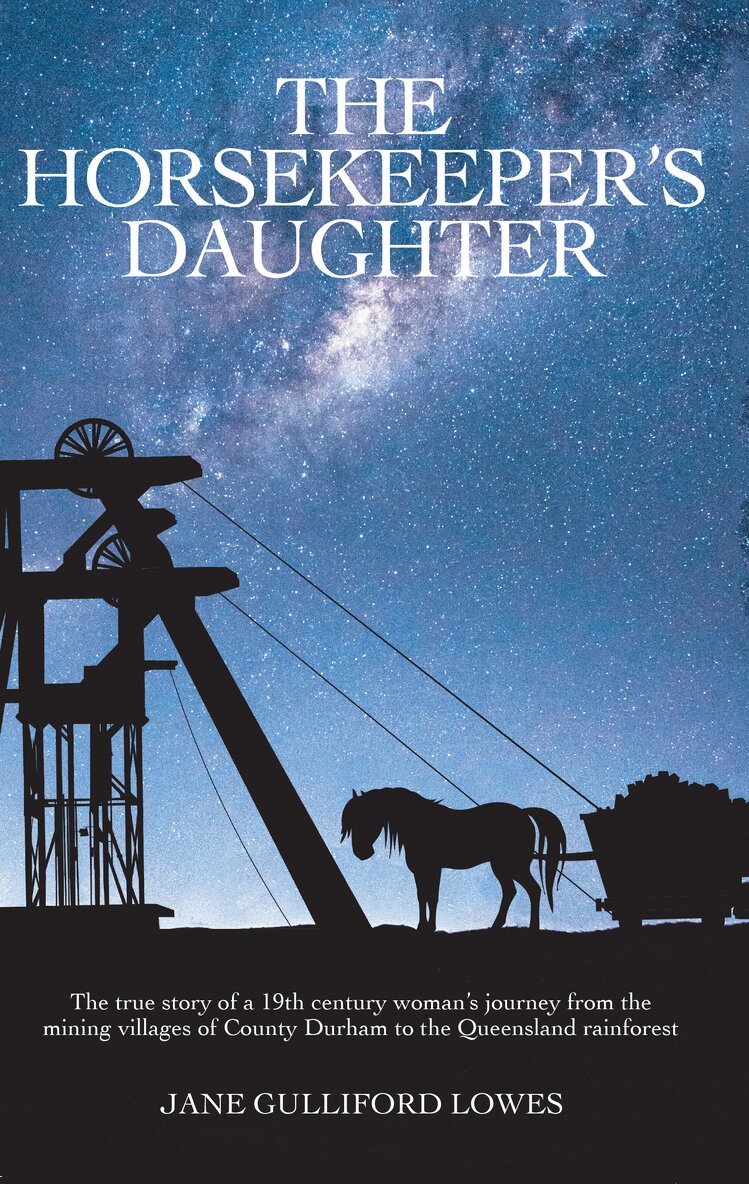
NON-FICTION: A TRUE FAMILY SAGA. Durham, England, 1886: Your father is dead, your mother and six younger sisters are destitute. You have the chance to start a new life in Australia – alone. What would you do?“A small girl’s fascination with a battered old box of letters and photographs from a pioneer family in Queensland leads to the discovery of a tale of industrial unrest in the mining communities of County Durham in the 1880s.Spanning ten thousand miles and six decades, the narrative weaves between County Durham and Tamborine Mountain, Queensland, and explores the lives of ordinary folk, in Seaham and Australia, who faced extraordinary circumstances. Chronicling poverty, destitution, adventure, love, tragedy and an incredible coincidence, The Horsekeeper’s Daughter tells the story of Seaham and her people. It focuses upon one remarkable woman, Seaton farm servant Sarah Marshall, who said her farewells to the pit villages of County Durham and travelled alone to start a new life in Australia in the winter of 1886.The book unravels the social and economic factors which resulted in thousands of British women like Sarah leaving their homes and families for the new state of Queensland, through the government-sponsored Single Female Migrant Programme. The prejudice and adversity they encountered there, through the Brisbane boom time of the 1880s, the recession of the 1890s, and the incessant cycle of flood and drought, are all explored, along with the impact of the First World War and the Depression of the 1930s.The real-life experiences of Sarah and her family are paralleled with those of the loved ones she left behind in Seaham, as they faced their own struggles through times of political upheaval and financial deprivation. The Horsekeeper’s Daughter reveals how the author’s obsession with the story of Sarah Marshall impacts upon her own life and reawakens a century-long friendship between two families. Fact is always more fascinating than fiction".
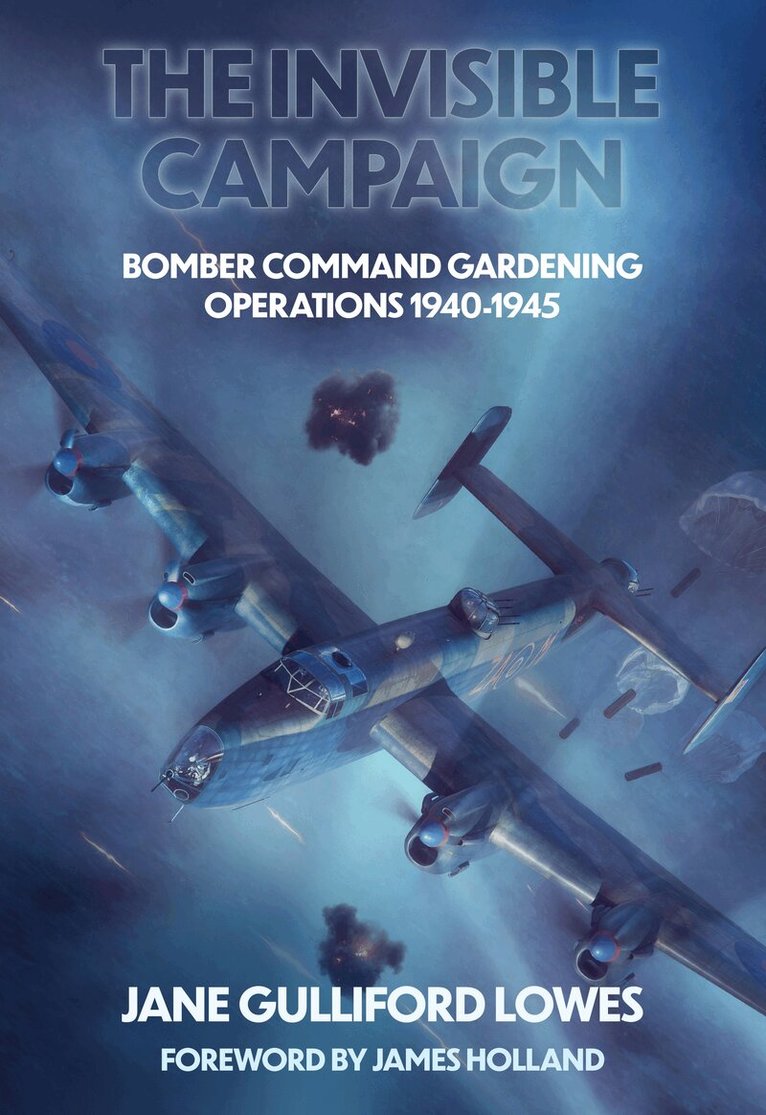
Aerial mining by RAF Bomber Command was a vital part of the Allied war effort – claiming far more tonnage of Axis shipping destroyed than direct attack by either Coastal or Bomber Command itself. Minelaying operations commenced in April 1940 and expanded dramatically as the war progressed, yet today this vital campaign and its wide-ranging achievements against Axis merchant vessels, Kriegsmarine ships and U-boats are virtually unknown.The Invisible Campaign, based on Air Ministry and Admiralty archival material, together with squadron records, veteran accounts and logbooks as well as contemporary publications and press releases, provides the most detailed account of Bomber Command’s minelaying operations and their effects ever written.Historian Jane Gulliford Lowes looks at the aims of the campaign and how it was implemented, together with the measure of its success and how it compared against the mining operations implemented by the Luftwaffe and Kriegsmarine. The role of Arthur ‘Bomber’ Harris in overseeing minelaying operations is assessed and the experiences of the men who delivered the campaign, particularly the hazards they faced, are explored.Featuring a foreword by renowned historian James Holland, The Invisible Campaign - Bomber Command Gardening Operations 1940-1945 sheds new light on a little-discussed but important and ultimately highly successful aspect of Bomber Command and is a must-read for anyone interested the RAF’s in wartime bombing operations.