Jane Wong - Böcker
Visar alla böcker från författaren Jane Wong. Handla med fri frakt och snabb leverans.
4 produkter
4 produkter
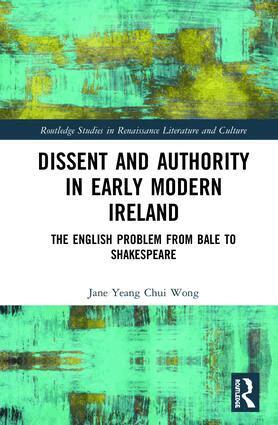
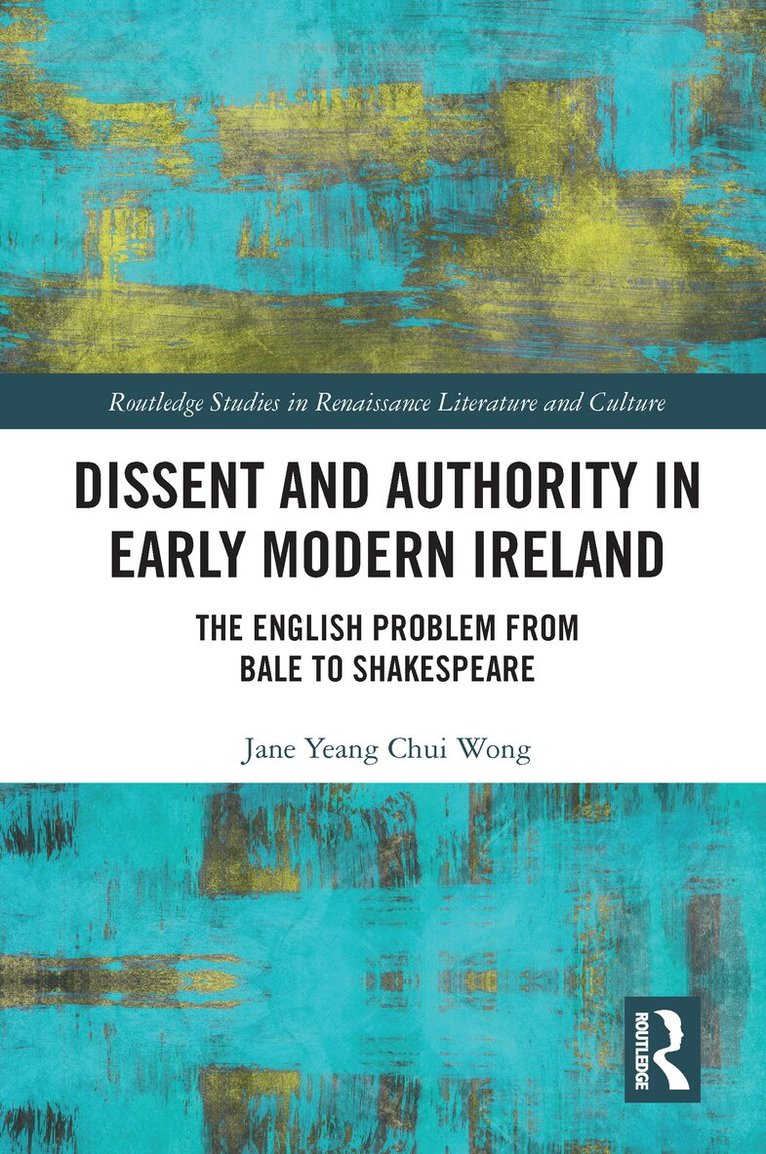
Dissent and Authority in Early Modern Ireland
The English Problem from Bale to Shakespeare
Inbunden, Engelska, 2019
2 418 kr
Skickas inom 10-15 vardagar
Dissent and Authority in Early Modern Ireland: The English Problem from Bale to Shakespeare examines the problems that beset the Tudor administration of Ireland through a range of selected 16th century English narratives. This book is primarily concerned with the period between 1541 and 1603. This bracket provides a framework that charts early modern Irish history from the constitutional change of the island from lordship to kingdom to the end of the conquest in 1603. The mounting impetus to bring Ireland to a "complete" conquest during these years has, quite naturally, led critics to associate England’s reform strategies with Irish Otherness. The preoccupation with this discourse of difference is also perceived as the "Irish Problem," a blanket term broadly used to describe just about every aspect of Irishness incompatible with the English imperialist ideologies. The term stresses everything that is "wrong" with the Irish nation—Ireland was a problem to be resolved. This book takes a different approach towards the "Irish Problem." Instead of rehashing the English government’s complaints of the recalcitrant Irish and the long struggle to impose royal authority in Ireland, I posit that the "Irish Problem" was very much shaped and developed by a larger "English Problem," namely English dissent within the English government. The discussions in this book focuse on the ways in which English writers articulated their knowledge and anxieties of the "English Problem" in sixteenth-century literary and historical narratives. This book reappraises the limitations of the "Irish Problem," and argues that the crown’s failure to control dissent within its own ranks was as detrimental to the conquest as the "Irish Problem," if not more so, and finally, it attempts to demonstrate how dissent translate into governance and conquest in early modern Ireland.
356 kr
Skickas inom 7-10 vardagar
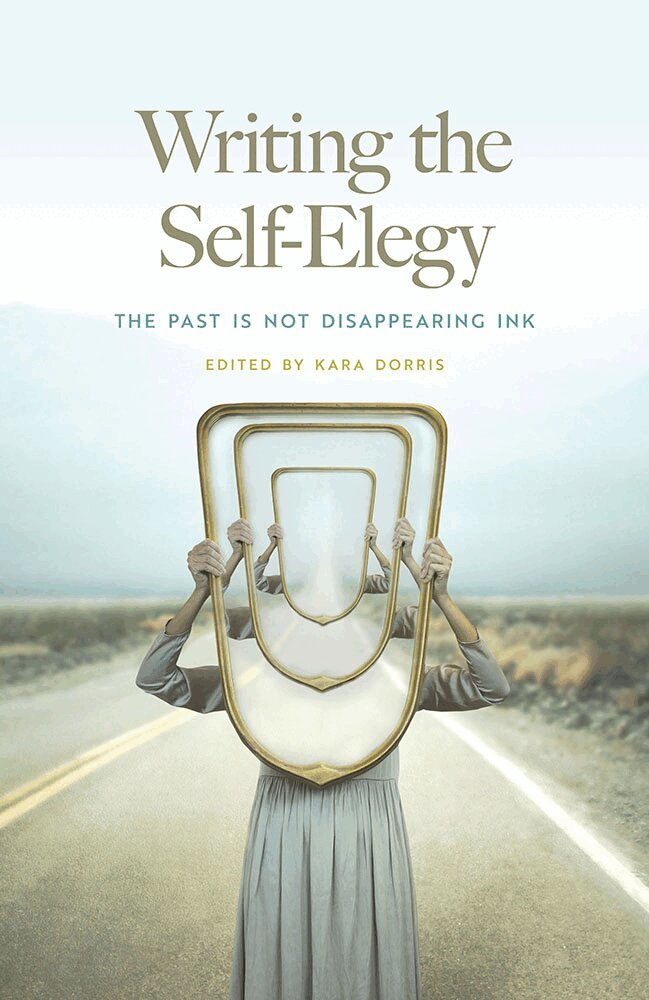
An innovative roadmap to facing our past and present selvesHonest, aching, and intimate, self-elegies are unique poems focusing on loss rather than death, mourning versions of the self that are forgotten or that never existed. Within their lyrical frame, multiple selves can coexist—wise and naïve, angry and resigned—along with multiple timelines, each possible path stemming from one small choice that both creates new selves and negates potential selves. Giving voice to pain while complicating personal truths, self-elegies are an ideal poetic form for our time, compelling us to question our close-minded certainties, heal divides, and rethink our relation to others. In Writing the Self-Elegy, poet Kara Dorris introduces us to this prismatic tradition and its potential to forge new worlds. The self-elegies she includes in this anthology mix autobiography and poetics, blending craft with race, gender, sexuality, ability and disability, and place—all of the private and public elements that build individual and social identity. These poems reflect our complicated present while connecting us to our past, acting as lenses for understanding, and defining the self while facilitating reinvention. The twenty-eight poets included in this volume each practice self-elegy differently, realizing the full range of the form. In addition to a short essay that encapsulates the core value of the genre and its structural power, each poet’s contribution concludes with writing prompts that will be an inspiration inside the classroom and out. This is an anthology readers will keep close and share, exemplifying a style of writing that is as playful as it is interrogative and that restores the self in its confrontation with grief.
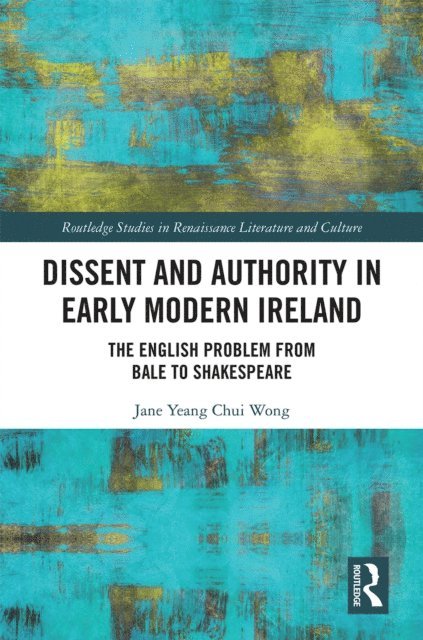
Dissent and Authority in Early Modern Ireland
The English Problem from Bale to Shakespeare
Häftad, Engelska, 2021
726 kr
Skickas inom 10-15 vardagar
Dissent and Authority in Early Modern Ireland: The English Problem from Bale to Shakespeare examines the problems that beset the Tudor administration of Ireland through a range of selected 16th century English narratives. This book is primarily concerned with the period between 1541 and 1603. This bracket provides a framework that charts early modern Irish history from the constitutional change of the island from lordship to kingdom to the end of the conquest in 1603. The mounting impetus to bring Ireland to a "complete" conquest during these years has, quite naturally, led critics to associate England’s reform strategies with Irish Otherness. The preoccupation with this discourse of difference is also perceived as the "Irish Problem," a blanket term broadly used to describe just about every aspect of Irishness incompatible with the English imperialist ideologies. The term stresses everything that is "wrong" with the Irish nation—Ireland was a problem to be resolved. This book takes a different approach towards the "Irish Problem." Instead of rehashing the English government’s complaints of the recalcitrant Irish and the long struggle to impose royal authority in Ireland, I posit that the "Irish Problem" was very much shaped and developed by a larger "English Problem," namely English dissent within the English government. The discussions in this book focuse on the ways in which English writers articulated their knowledge and anxieties of the "English Problem" in sixteenth-century literary and historical narratives. This book reappraises the limitations of the "Irish Problem," and argues that the crown’s failure to control dissent within its own ranks was as detrimental to the conquest as the "Irish Problem," if not more so, and finally, it attempts to demonstrate how dissent translate into governance and conquest in early modern Ireland.
336 kr
Skickas inom 3-6 vardagar