Janet Horowitz Murray – författare
2 919 kr
Skickas inom 10-15 vardagar
779 kr
Skickas inom 10-15 vardagar
3 428 kr
Skickas inom 10-15 vardagar
779 kr
Skickas inom 10-15 vardagar
2 264 kr
Skickas inom 10-15 vardagar
531 kr
Skickas inom 10-15 vardagar
3 428 kr
Skickas inom 10-15 vardagar
779 kr
Skickas inom 10-15 vardagar
2 482 kr
Skickas inom 10-15 vardagar
531 kr
Skickas inom 10-15 vardagar
3 428 kr
Skickas inom 10-15 vardagar
779 kr
Skickas inom 10-15 vardagar
3 719 kr
Skickas inom 10-15 vardagar
779 kr
Skickas inom 10-15 vardagar
3 428 kr
Skickas inom 10-15 vardagar
779 kr
Skickas inom 10-15 vardagar
3 428 kr
Skickas inom 10-15 vardagar
779 kr
Skickas inom 10-15 vardagar
1 536 kr
Skickas inom 10-15 vardagar
429 kr
Skickas inom 10-15 vardagar
1 536 kr
Skickas inom 10-15 vardagar
429 kr
Skickas inom 10-15 vardagar
2 409 kr
Skickas inom 10-15 vardagar
589 kr
Skickas inom 10-15 vardagar
2 336 kr
Skickas inom 10-15 vardagar
589 kr
Skickas inom 10-15 vardagar
1 373 kr
Skickas inom 10-15 vardagar
447 kr
Skickas inom 10-15 vardagar
693 kr
Läs direkt efter köp
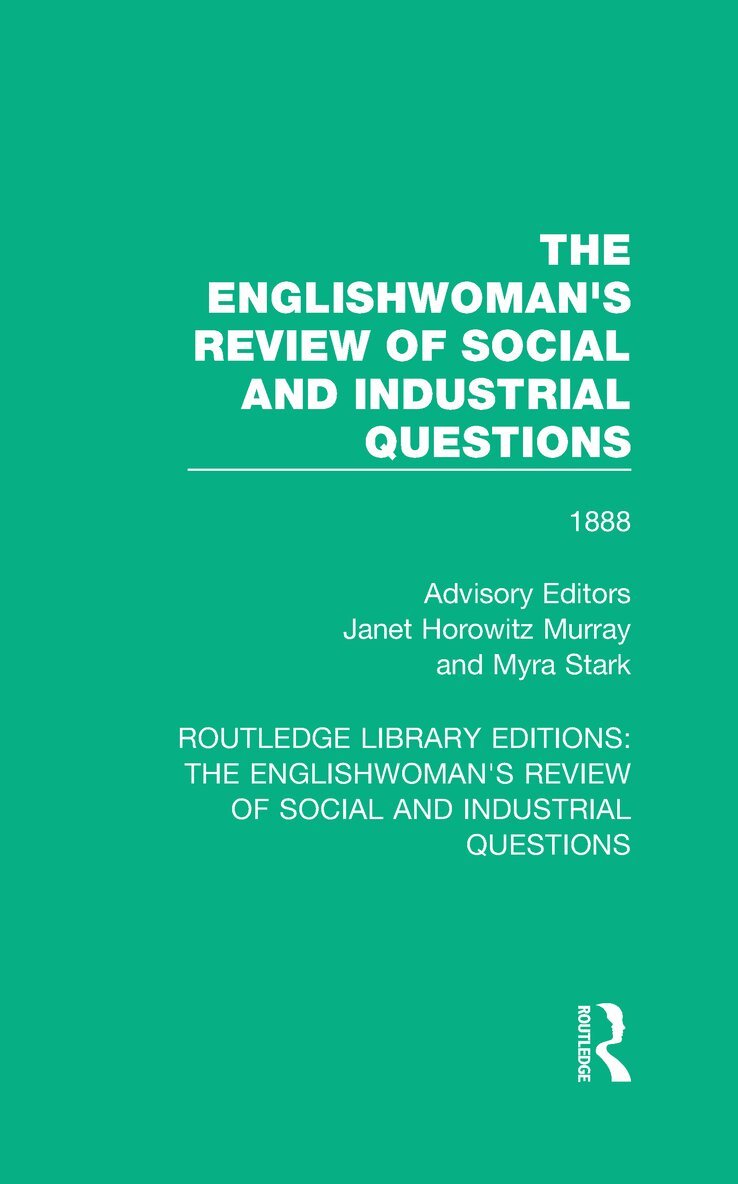
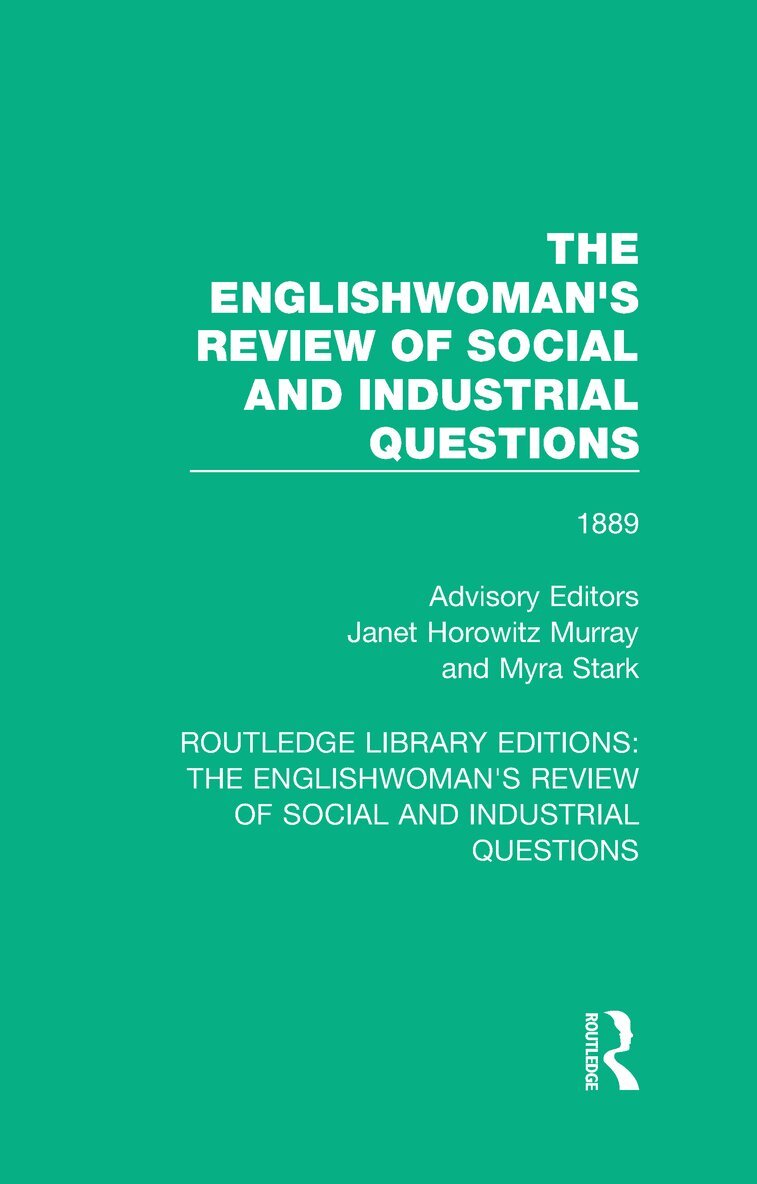
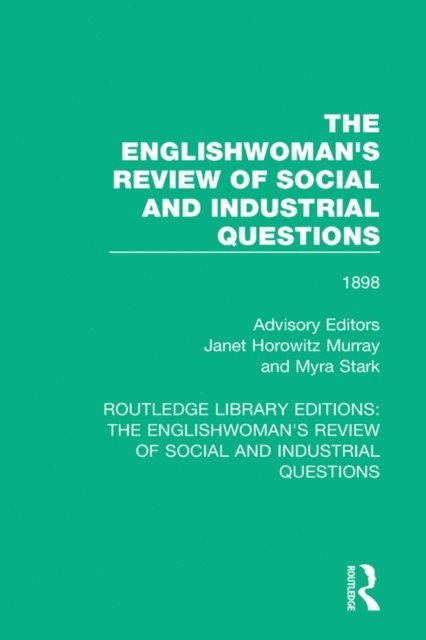
The Englishwoman’s Review, which published from 1866 to 1910, participated in and recorded a great change in the range of possibilities open to women. The ideal of the magazine was the idea of the emerging emancipated middle-class woman: economic independence from men, choice of occupation, participation in the male enterprises of commerce and government, access to higher education, admittance to the male professions, particularly medicine, and, of course, the power of suffrage equal to that of men.
First published in 1984, this thirtieth volume contains issues from 1898. With an informative introduction by Janet Horowitz Murray and Myra Stark, and an index compiled by Anna Clark, this set is an invaluable resource to those studying nineteenth and early twentieth-century feminism and the women’s movement in Britain.
693 kr
Läs direkt efter köp
The Englishwoman’s Review, which published from 1866 to 1910, participated in and recorded a great change in the range of possibilities open to women. The ideal of the magazine was the idea of the emerging emancipated middle-class woman: economic independence from men, choice of occupation, participation in the male enterprises of commerce and government, access to higher education, admittance to the male professions, particularly medicine, and, of course, the power of suffrage equal to that of men.
First published in 1984, this thirtieth volume contains issues from 1898. With an informative introduction by Janet Horowitz Murray and Myra Stark, and an index compiled by Anna Clark, this set is an invaluable resource to those studying nineteenth and early twentieth-century feminism and the women’s movement in Britain.