Janet L. Stein – författare
Visar alla böcker från författaren Janet L. Stein. Handla med fri frakt och snabb leverans.
4 produkter
4 produkter
E-bok
PDF, Engelska, 19961 496 kr
Läs direkt efter köp
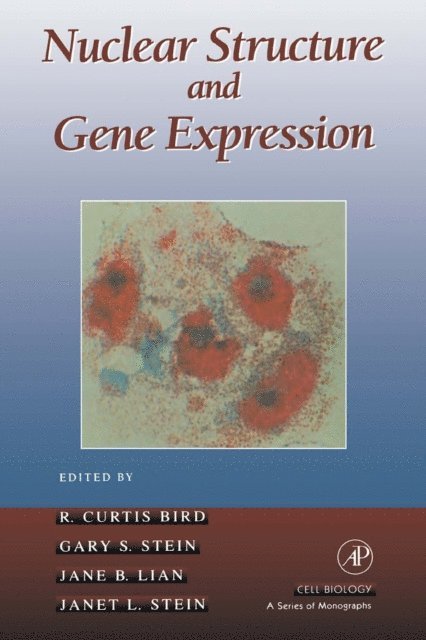
Nuclear Structure and Gene Expression assimilates the contributions of genome organization and of the components of the nuclear matrix to the control of DNA and RNA synthesis. Nuclear domains which accommodate DNA replication and gene expression are considered in relation to short-term developmental and homeostatic requirements as well as to long-term commitments to phenotypic gene expression in differentiated cells. Consideration is given to the involvement of nuclear structure in gene localization as well as to the targeting and concentration of transcription factors. Aberrations in nuclear architecture associated with and potentially functionally related to pathologies are evaluated. Tumor cells are described from the perspective of the striking modifications in both the composition and organization of nuclear components. Nuclear Structure and Gene Expression presents concepts as well as experimental approaches, which define functionality of nuclear morphology.* Mechanisms of interaction between nuclear structure and genes* Gene expression regulation by elements of the nuclear matrix* How nuclear structure exerts a regulatory effect on other aspects of cell function/physiology
E-bok
Engelska, 202411 095 kr
Läs direkt efter köp
This comprehensive book is a compilation of Professor Lubomir S. Hnilica''s twenty years of research experimentally addressing the chemistry and the biological functions of chromosomal proteins. The histones and other nuclear proteins found associated with DNA in a number of tissues and cell types are featured. Lubomir Hnilica played a major role in establishing the extent to which these basic chromosomal polypeptides are conserved and the manner in which they interact with DNA to modify chromatin structure. In addition, non-histone chromosomal protein research is explained, and his technique of applying several biochemical and immunological approaches to the characterization of this complex and heterogeneous class of chromosomal polypeptides is discussed. Highlighted is the use of chemical crosslinking for studying protein/DNA interactions in intact cells. The proteins as well as the structure, organization, and regulation of the genes are also presented.
E-bok
PDF, Engelska, 202411 095 kr
Läs direkt efter köp
This comprehensive book is a compilation of Professor Lubomir S. Hnilica''s twenty years of research experimentally addressing the chemistry and the biological functions of chromosomal proteins. The histones and other nuclear proteins found associated with DNA in a number of tissues and cell types are featured. Lubomir Hnilica played a major role in establishing the extent to which these basic chromosomal polypeptides are conserved and the manner in which they interact with DNA to modify chromatin structure. In addition, non-histone chromosomal protein research is explained, and his technique of applying several biochemical and immunological approaches to the characterization of this complex and heterogeneous class of chromosomal polypeptides is discussed. Highlighted is the use of chemical crosslinking for studying protein/DNA interactions in intact cells. The proteins as well as the structure, organization, and regulation of the genes are also presented.
Inbunden, Engelska, 1989
7 268 kr
Tillfälligt slut
This comprehensive book is a compilation of Professor Lubomir S. Hnilica's twenty years of research experimentally addressing the chemistry and the biological functions of chromosomal proteins. The histones and other nuclear proteins found associated with DNA in a number of tissues and cell types are featured. Lubomir Hnilica played a major role in establishing the extent to which these basic chromosomal polypeptides are conserved and the manner in which they interact with DNA to modify chromatin structure. In addition, non-histone chromosomal protein research is explained, and his technique of applying several biochemical and immunological approaches to the characterization of this complex and heterogeneous class of chromosomal polypeptides is discussed. Highlighted is the use of chemical crosslinking for studying protein/DNA interactions in intact cells. The proteins as well as the structure, organization, and regulation of the genes are also presented.