Janet P. Moursund – författare
Visar alla böcker från författaren Janet P. Moursund. Handla med fri frakt och snabb leverans.
3 produkter
3 produkter
Häftad, Engelska, 2022
644 kr
Skickas inom 10-15 vardagar
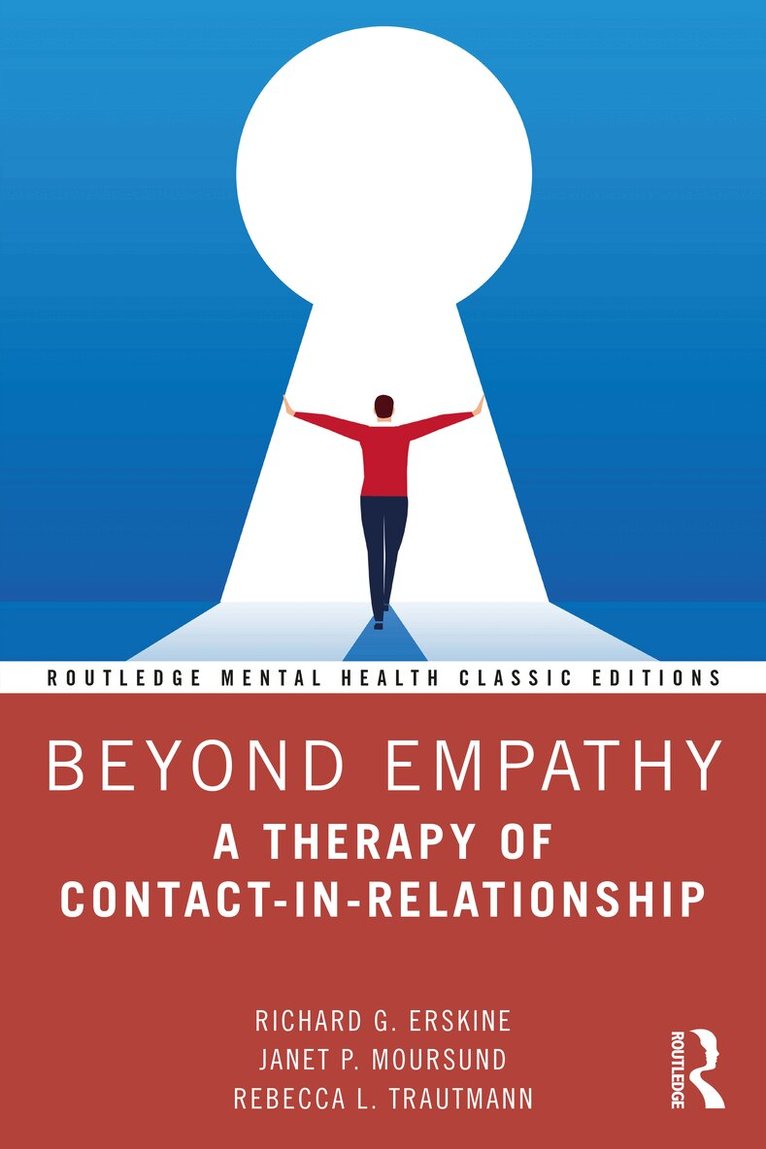
Written by leaders in the field of relational integrative psychotherapy, this book offers trainees and experienced therapists a methodology for assisting people in rediscovering their ability to maintain genuine relationships and, thus, better psychological health. This classic edition includes a new preface by Richard G. Erskine that reflects on changes in the field since the book’s first publication. Drawing from Rogers' client-centered therapy, Berne's transactional analysis, Perls' Gestalt therapy, Kohut's self-psychology, and the work of British object-relations theorists, this book accessibly introduces the authors’ Keyhole theory while using real life interchanges between therapists and clients to illustrate key concepts. The second part of the book details the application of this method in therapy work and provides transcripts from seven therapy sessions. These include examples of relational psychotherapy, psychotherapeutic regression, working with a parental introject, couple psychotherapy, as well as detailed explanations of the therapeutic methods. An undoubtable classic, the book’s conversational style makes the theory and methods of a relationally based integrative psychotherapy come alive. This versatile approach to therapy promises to be effective across a wide range of therapeutic situations, making this a valuable book for both students and practicing clinicians throughout the spectrum of mental healthcare providers.
Inbunden, Engelska, 2022
2 060 kr
Skickas inom 10-15 vardagar
Written by leaders in the field of relational integrative psychotherapy, this book offers trainees and experienced therapists a methodology for assisting people in rediscovering their ability to maintain genuine relationships and, thus, better psychological health. This classic edition includes a new preface by Richard G. Erskine that reflects on changes in the field since the book’s first publication. Drawing from Rogers' client-centered therapy, Berne's transactional analysis, Perls' Gestalt therapy, Kohut's self-psychology, and the work of British object-relations theorists, this book accessibly introduces the authors’ Keyhole theory while using real life interchanges between therapists and clients to illustrate key concepts. The second part of the book details the application of this method in therapy work and provides transcripts from seven therapy sessions. These include examples of relational psychotherapy, psychotherapeutic regression, working with a parental introject, couple psychotherapy, as well as detailed explanations of the therapeutic methods. An undoubtable classic, the book’s conversational style makes the theory and methods of a relationally based integrative psychotherapy come alive. This versatile approach to therapy promises to be effective across a wide range of therapeutic situations, making this a valuable book for both students and practicing clinicians throughout the spectrum of mental healthcare providers.
Häftad, Engelska, 2011
531 kr
Skickas inom 10-15 vardagar
What is integrative psychotherapy? How effective is the integrative approach to therapy? And what are its limitations? Answering these and other significant questions, this insightful volume provides the working clinician with a practical guide to using an integrative approach to psychotherapy.Erskine and Moursund, both experienced psychotherapists, begin their discussion with a masterful theoretical overview which integrates diverse concepts from various therapy techniques such as psychoanalysis, client-centred therapy, and Gestalt therapy. The authors then use transcripts of actual therapeutic sessions (with explanatory comments interjected) to provide the reader with a broader understanding of both theory and its application in therapy - and to capture some of the elusive essence of the ongoing therapy interview.Unique in its attention to detail, as well as to the therapist's own decision-making process, advanced students and therapists alike will find this volume an invaluable resource.