Janet Sacks – författare
Visar alla böcker från författaren Janet Sacks. Handla med fri frakt och snabb leverans.
5 produkter
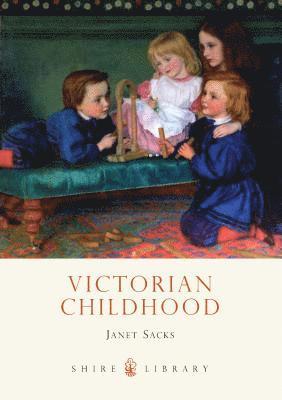
Victorian Childhood
Av Janet Sacks
Häftad, 2010
114 kr
Lägg i varukorg
The lives of children during the Victorian era differed dramatically between the rich and the poor. The children of the wealthy lived in comfort with good education, while the poorest children grew up with little food or care, no education, and were often exploited for work. Janet Sacks explores …
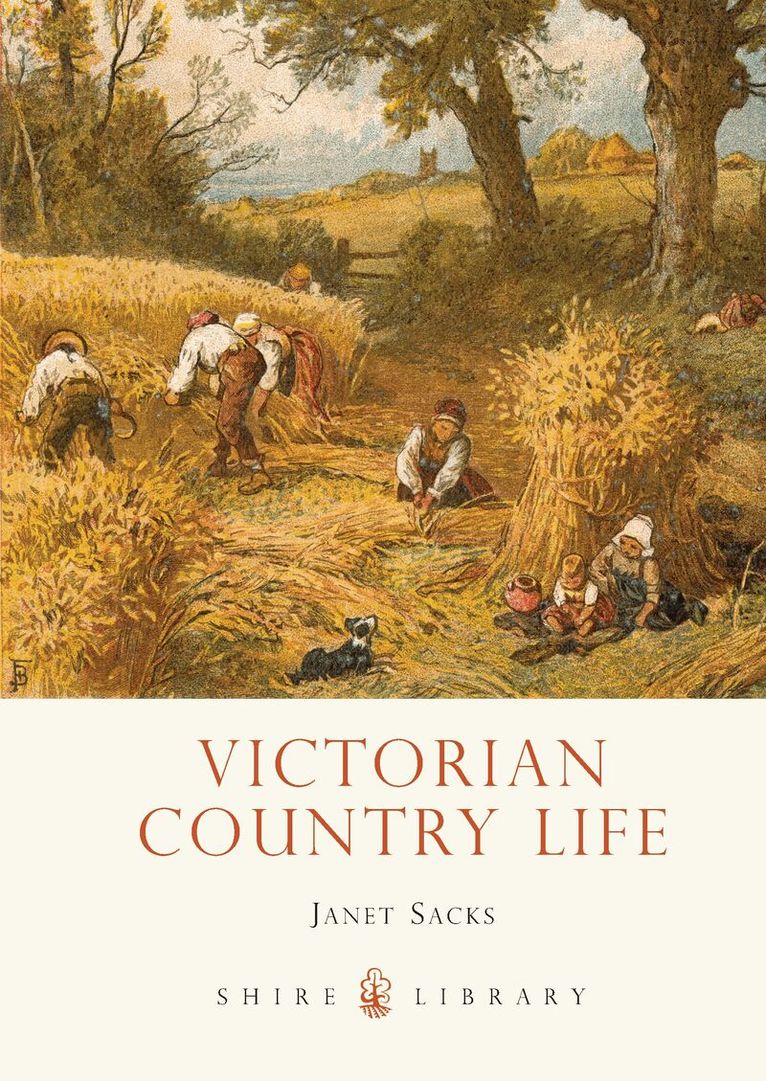
Victorian Country Life
Av Janet Sacks
Häftad, 2012
102 kr
Lägg i varukorg
During the reign of Queen Victoria, industrialisation changed every aspect of rural life. Industrial diversification led to a decline in agriculture and mass migration from country to town and city – in 1851 half the population lived in the countryside, but by 1901 only a quarter did so. This book …
Victorian Country Life
Av Janet Sacks
E-bok, 2012
101 kr
Lägg i varukorg
During the reign of Queen Victoria, industrialisation changed every aspect of rural life. Industrial diversification led to a decline in agriculture and mass migration from country to town and city – in 1851 half the population lived in the countryside, but by 1901 only a quarter did so. This book …
Victorian Country Life
Av Janet Sacks
E-bok, 2012
99 kr
Lägg i varukorg
During the reign of Queen Victoria, industrialisation changed every aspect of rural life. Industrial diversification led to a decline in agriculture and mass migration from country to town and city – in 1851 half the population lived in the countryside, but by 1901 only a quarter did so. This book …
New Lives for Old
The Story of Britain's Home Children
Inbunden, 2008
873 kr
Lägg i varukorg
Over 100,000 children were sent across the seas to Canada between 1869 and the late 1930s. Thousands of others were dispatched to Australia as well as to New Zealand, South Africa and Rhodesia up to and even after the Second World War. These young migrants came from charitable organizations or …