Janina M. Safran - Böcker
Visar alla böcker från författaren Janina M. Safran. Handla med fri frakt och snabb leverans.
3 produkter
3 produkter
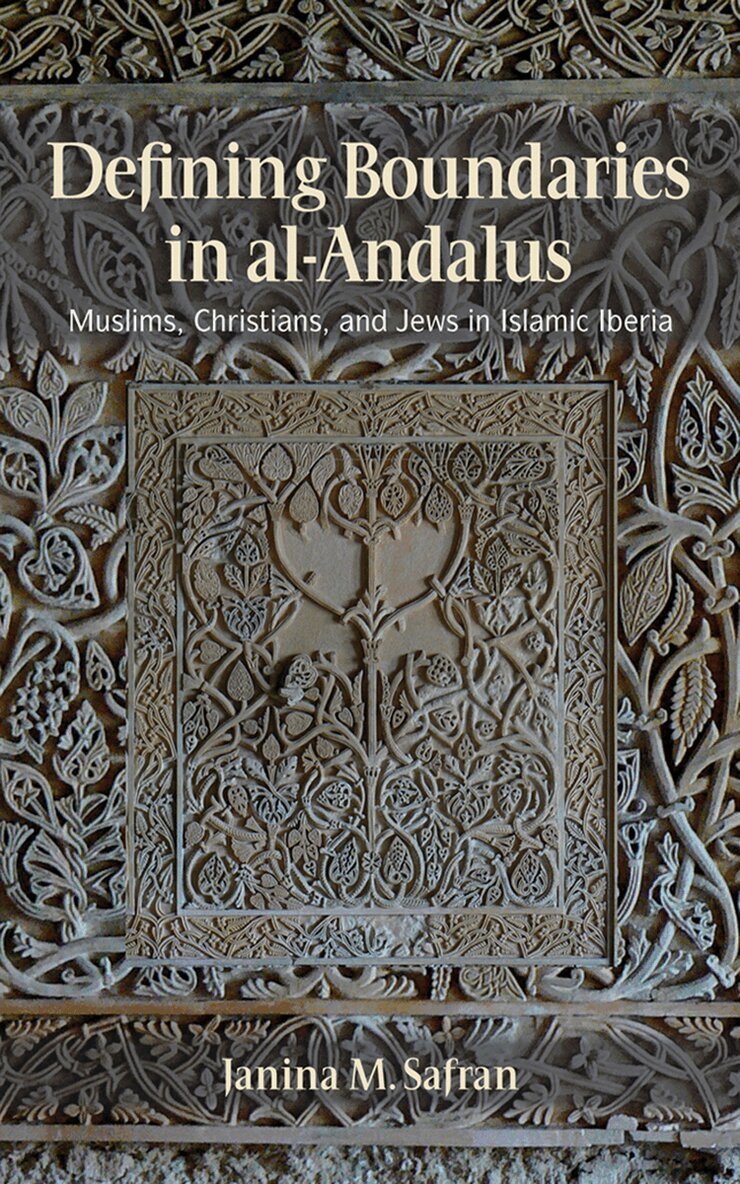
Defining Boundaries in Al-Andalus
Muslims, Christians, and Jews in Islamic Iberia
Inbunden, Engelska, 2013
845 kr
Skickas inom 10-15 vardagar
Al-Andalus, the Arabic name for the medieval Islamic state in Iberia, endured for over 750 years following the Arab and Berber conquest of Hispania in 711. While the popular perception of al-Andalus is that of a land of religious tolerance and cultural cooperation, the fact is that we know relatively little about how Muslims governed Christians and Jews in al-Andalus and about social relations among Muslims, Christians, and Jews. In Defining Boundaries in al-Andalus, Janina M. Safran takes a close look at the structure and practice of Muslim political and legal-religious authority and offers a rare look at intercommunal life in Iberia during the first three centuries of Islamic rule. Safran makes creative use of a body of evidence that until now has gone largely untapped by historians—the writings and opinions of Andalusi and Maghribi jurists during the Umayyad dynasty. These sources enable her to bring to life a society undergoing dramatic transformation. Obvious differences between conquerors and conquered and Muslims and non-Muslims became blurred over time by transculturation, intermarriage, and conversion. Safran examines ample evidence of intimate contact between individuals of different religious communities and of legal-juridical accommodation to develop an argument about how legal-religious authorities interpreted the social contract between the Muslim regime and the Christian and Jewish populations. Providing a variety of examples of boundary-testing and negotiation and bringing judges, jurists, and their legal opinions and texts into the narrative of Andalusi history, Safran deepens our understanding of the politics of Umayyad rule, makes Islamic law tangibly social, and renders intercommunal relations vividly personal.
Del 33 - Harvard Middle Eastern Monographs
Second Umayyad Caliphate
The Articulation of Caliphal Legitimacy in al-Andalus
Häftad, Engelska, 2001
204 kr
Tillfälligt slut
In 929 CE, the eighth Umayyad ruler of al-Andalus (Islamic Iberia) assumed caliphal titles and prerogatives. Against the ambitions of his contemporary rivals, the Abbasids and the Fatimids, he quickly reasserted Umayyad dynastic claims to the unique and universal leadership of the Muslims. As he and his successor promoted their legitimacy, they generated an ideology that infused and defined the political culture of al-Andalus.The Second Umayyad Caliphate recovers the Andalusi Umayyad argument for caliphal legitimacy through an analysis of caliphal rhetoric—based on proclamations, correspondence, and panegyric poetry—and caliphal ideology, as shown through monuments, ceremony, and historiography. This study of the tenth-century caliphates deepens our understanding of the political culture of the Iberian Peninsula at the height of centralized Islamic rule.
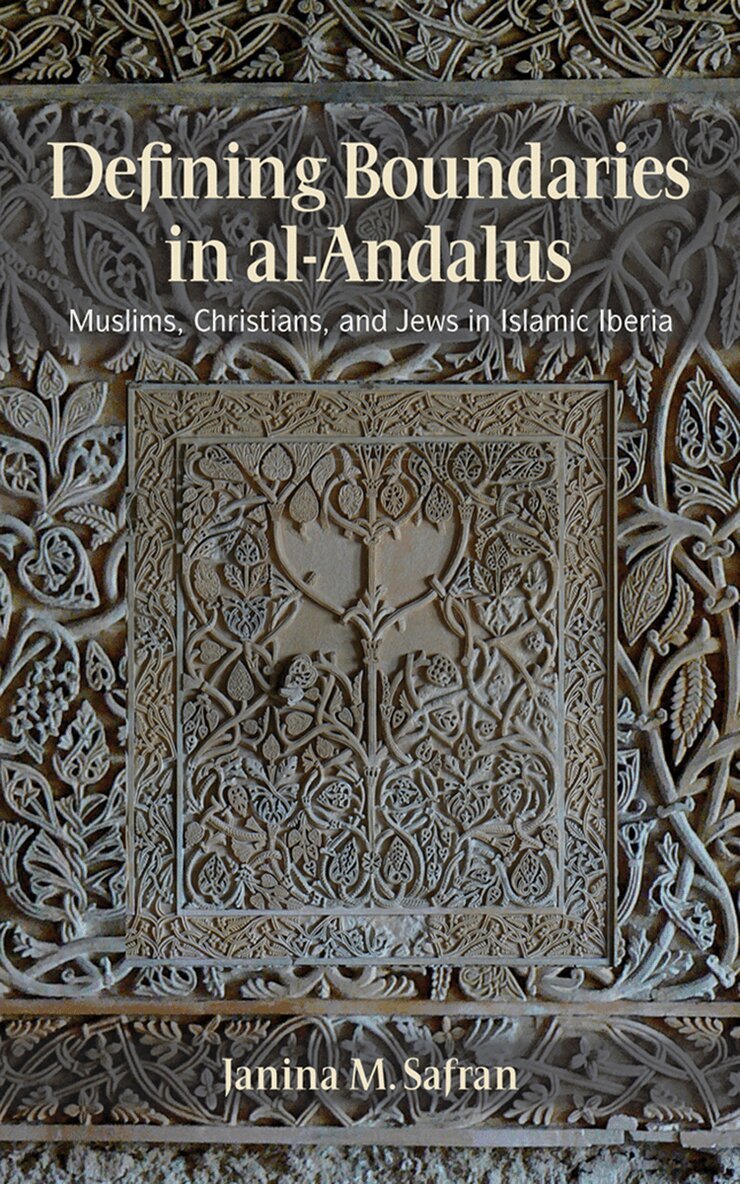
Defining Boundaries in Al-Andalus
Muslims, Christians, and Jews in Islamic Iberia
Häftad, Engelska, 2015
300 kr
Skickas inom 10-15 vardagar
Al-Andalus, the Arabic name for the medieval Islamic state in Iberia, endured for over 750 years following the Arab and Berber conquest of Hispania in 711. While the popular perception of al-Andalus is that of a land of religious tolerance and cultural cooperation, the fact is that we know relatively little about how Muslims governed Christians and Jews in al-Andalus and about social relations among Muslims, Christians, and Jews. In Defining Boundaries in al-Andalus, Janina M. Safran takes a close look at the structure and practice of Muslim political and legal-religious authority and offers a rare look at intercommunal life in Iberia during the first three centuries of Islamic rule. Safran makes creative use of a body of evidence that until now has gone largely untapped by historians—the writings and opinions of Andalusi and Maghribi jurists during the Umayyad dynasty. These sources enable her to bring to life a society undergoing dramatic transformation. Obvious differences between conquerors and conquered and Muslims and non-Muslims became blurred over time by transculturation, intermarriage, and conversion. Safran examines ample evidence of intimate contact between individuals of different religious communities and of legal-juridical accommodation to develop an argument about how legal-religious authorities interpreted the social contract between the Muslim regime and the Christian and Jewish populations. Providing a variety of examples of boundary-testing and negotiation and bringing judges, jurists, and their legal opinions and texts into the narrative of Andalusi history, Safran deepens our understanding of the politics of Umayyad rule, makes Islamic law tangibly social, and renders intercommunal relations vividly personal.