Janneth Aldana Cedeño – författare
Visar alla böcker från författaren Janneth Aldana Cedeño. Handla med fri frakt och snabb leverans.
5 produkter
5 produkter
Inbunden, Engelska, 2023
509 kr
Skickas inom 10-15 vardagar
This Palgrave Pivot presents a historical reflection about the development of sociology in Colombia from the late nineteenth century into the mid-twentieth century, a period in which the process of professionalization in the discipline occurred due to the creation of university training programs, as well as the extension of research centers and groups nationwide. The book exposes the different interrelations at the local, regional and international ambits that, only in part, offer a similar panorama to what happened in other Latin American processes in relation to the academic institutionalization of sociology. The role of international networks and government initiatives, national and foreign, was central to this development and, in general, to the take-off of sociology in the country, as happened in others nations such as Argentina, Brazil and Mexico. This book argues that, in Colombia, having these networks and initiatives during the Cold Wargenerated various tensions, which appeared early, between these forms of financing as a political effort to contain left movements in the region (especially after the Cuban Revolution) and the attempt to achieve an autonomous science. However, the Colombian case presents some peculiarities in the configuration of sociology at the national level. These are associated, to a large extent, with the phenomena that have been decisive in the history of the country: a nation without dictatorships between 1960 and 1970, unlike other South American countries, but with a restricted democracy that even today offers difficulties in order to accept alternative forces. This book also considers the effects of the longest armed conflict known in the continent and its own historical transformations in the face of the role played by various actors such as guerrillas, drug trafficking and paramilitary groups. The book thus discusses, under a specific case study, the role of science as well as the possibilities of social transformation through human action. This book constitutes not only a journey on the academic institutionalization and the professional practice of sociology in Colombia; it is also an opportunity to think about what is coming in this field in a possible post-conflict scenario.
E-bok
Engelska, 2023629 kr
Läs direkt efter köp
This Palgrave Pivot presents a historical reflection about the development of sociology in Colombia from the late nineteenth century into the mid-twentieth century, a period in which the process of professionalization in the discipline occurred due to the creation of university training programs, as well as the extension of research centers and groups nationwide. The book exposes the different interrelations at the local, regional and international ambits that, only in part, offer a similar panorama to what happened in other Latin American processes in relation to the academic institutionalization of sociology. The role of international networks and government initiatives, national and foreign, was central to this development and, in general, to the take-off of sociology in the country, as happened in others nations such as Argentina, Brazil and Mexico. This book argues that, in Colombia, having these networks and initiatives during the Cold Wargenerated various tensions, which appeared early, between these forms of financing as a political effort to contain left movements in the region (especially after the Cuban Revolution) and the attempt to achieve an autonomous science. However, the Colombian case presents some peculiarities in the configuration of sociology at the national level. These are associated, to a large extent, with the phenomena that have been decisive in the history of the country: a nation without dictatorships between 1960 and 1970, unlike other South American countries, but with a restricted democracy that even today offers difficulties in order to accept alternative forces. This book also considers the effects of the longest armed conflict known in the continent and its own historical transformations in the face of the role played by various actors such as guerrillas, drug trafficking and paramilitary groups. The book thus discusses, under a specific case study, the role of science as well as the possibilities of social transformation through human action. This book constitutes not only a journey on the academic institutionalization and the professional practice of sociology in Colombia; it is also an opportunity to think about what is coming in this field in a possible post-conflict scenario.
E-bok
PDF, Spanska, 2026114 kr
Läs direkt efter köp
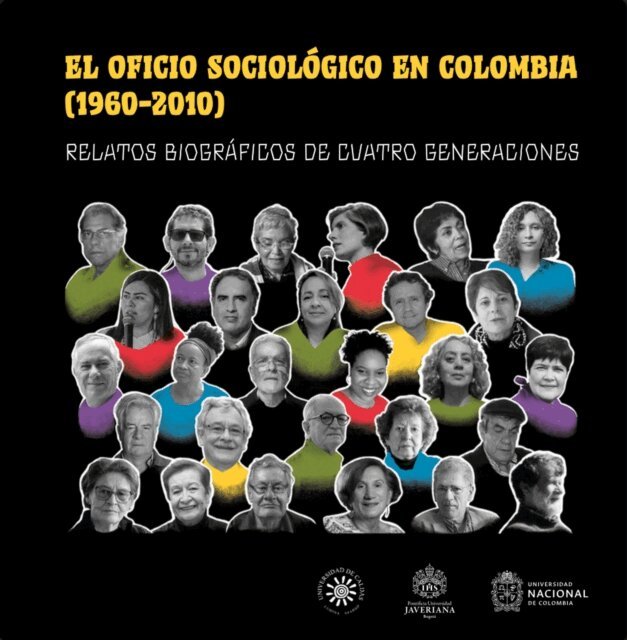
Este libro acoge una polifonia de voces sobre el oficio sociologico en Colombia desde los anos sesenta hasta el presente, a partir de los relatos biograficos de 53 sociologos y sociologas. Estos relatos del oficio discurren por cuatro situaciones generacionales que favorecen la activacion y recuperacion de las singularidades biograficas y de los entramados contextuales de sus protagonistas, lo cual permite al lector y a la lectora entrever como se configuro la practica sociologica en el pais a lo largo de seis decadas. Es decir, los relatos del oficio nos conectan con hitos intelectuales disciplinares de relevancia, con acontecimientos politicos e historicos significativos para el pais y para los sociologos y sociologas entrevistadas, con los avatares de la disciplina en el mundo de lo publico-privado y con el universo de las organizaciones y movimientos sociales a los que estuvieron o estan conectados estos profesionales. Ademas, estos relatos del oficio dan cuenta de artesanias de trabajo y de la importancia de los espacios de sociabilidad, las redes y los circuitos intelectuales y culturales que resultaron mas relevantes para cada uno de sus protagonistas en el desarrollo de la disciplina y la profesion.
E-bok
Spanska, 201892 kr
Läs direkt efter köp
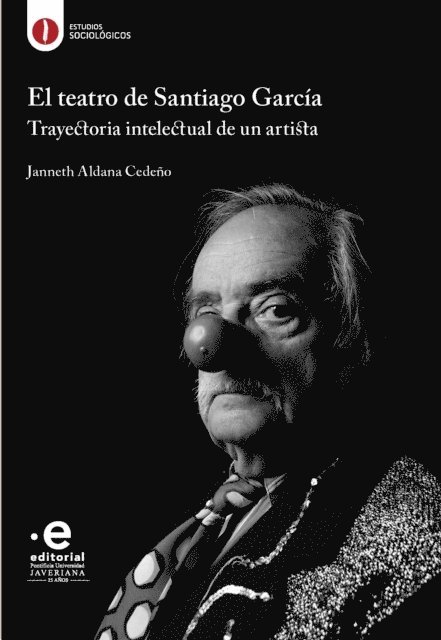
El presente documento es, en principio, la reconstrucción de la trayectoria intelectual del actor, director, dramaturgo y teórico del teatro colombiano Santiago García. La relevancia de su trabajo artístico es incuestionable en los ámbitos nacional y regional, pues se trata de uno de los referentes latinoamericanos en la búsqueda de un arte propio, original y comprometido con los problemas más acuciantes de la sociedad.Dicha reconstrucción cubre, además, dos esferas más amplias de lo que podría entenderse estrictamente como una biografía. Una de ellas, es la historia cultural y política del país durante la segunda mitad del siglo XX y lo que va del XXI; las oportunidades creativas de un artista se ubican en unas condiciones de posibilidad socialmente dadas, históricamente configuradas, que cargan con una tradición que no siempre es fácil transformar. La otra, es la interpretación del arte como un asunto del esfuerzo adelantado por los seres humanos en aras de una comprensión más adecuada de la realidad y, ¿por qué no?, de su posible transformación.
E-bok
Spanska, 202496 kr
Läs direkt efter köp
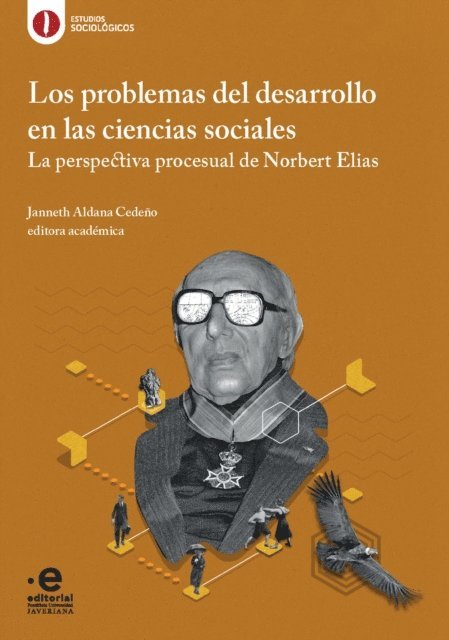
En este libro, la referencia al trabajo de Norbert Elias resulta ineludible: su producción intelectual es el eje que conecta los capítulos. Desde una perspectiva procesual, se abordan las instituciones de formación de maestros en el siglo xx en Colombia, la posición de Julio Garavito sobre las geometrías no euclidianas y la relatividad en clave eliasiana, los manuales de urbanidad decimonónicos, la modernización del Estado en Colombia, los supuestos de los estudios sociales del cuerpo, la pérdida del enfoque genético en psicología y el análisis de la creación artística. Los capítulos resaltan por su diversidad temática, pero en su conjunto tienen el objetivo de contribuir al debate sobre las bases epistemológicas de las ciencias sociales. Teóricamente, este libro es una apuesta firme por que la idea de desarrollo —muy criticada y en ocasiones vaciada del sentido dado por Nobert Elias— sea una base para comprender las distintas figuraciones sociales y sus transformaciones, sus aspectos psicogenéticos y sociogenéticos y el equilibrio entre compromiso y distanciamiento en la adquisición del conocimiento. En definitiva, se propone pensar las implicaciones de una visión procesual del largo plazo que articule conocimientos de diversas áreas, puesto que, en últimas, esta perspectiva considera el desarrollo histórico de los seres humanos como especie y sus distintas formas de organización social.