Jarrod Wiener - Böcker
Visar alla böcker från författaren Jarrod Wiener. Handla med fri frakt och snabb leverans.
3 produkter
3 produkter
430 kr
Skickas inom 10-15 vardagar
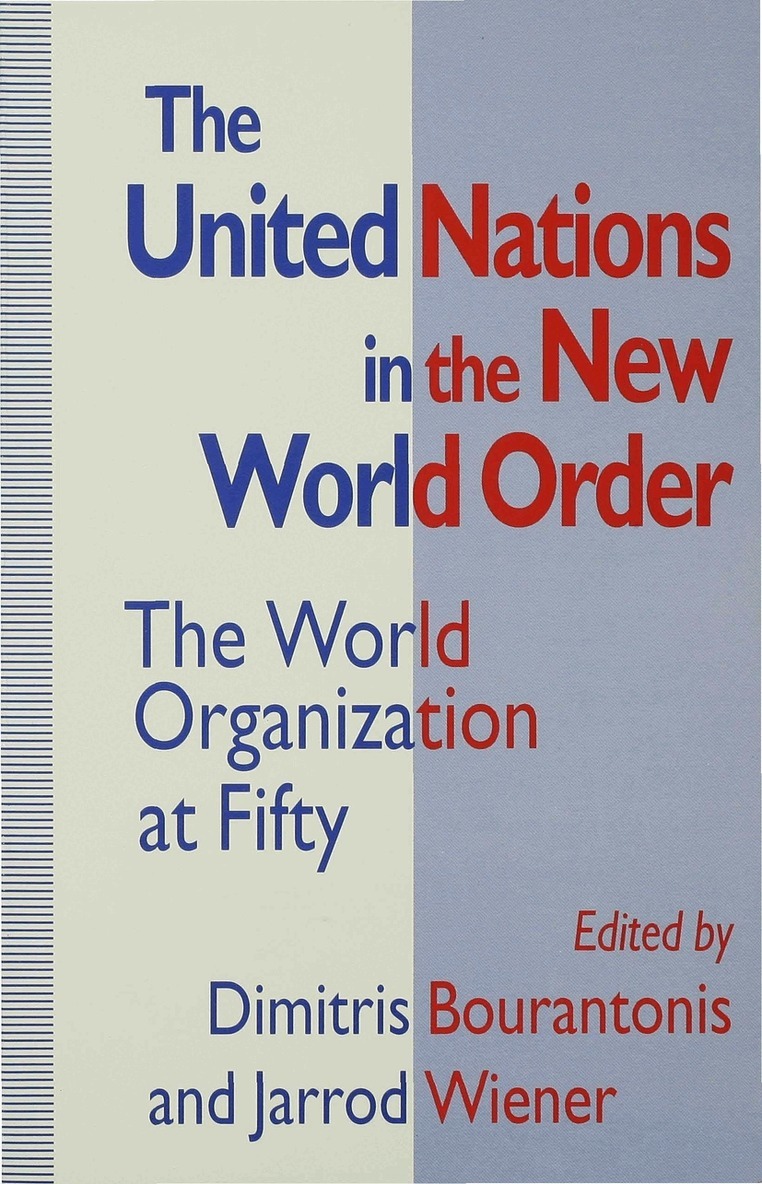
With the end of the Cold War, the UN has shown a new dynamism, reflecting a qualitative change in attitudes and perceptions of the international community. The focus of this book is on the ability of the UN to sustain this dynamism into the future. It examines the roles of the UN in the vital areas of international peace and security as well as the realms of human rights, disarmament and arms control and economic development. The contributors, who are experts on the UN, address the conditions which can make the UN more effective and present suggestions on the ways to improve the utilization of the world organization so as to increase its efficacy.
536 kr
Skickas inom 10-15 vardagar
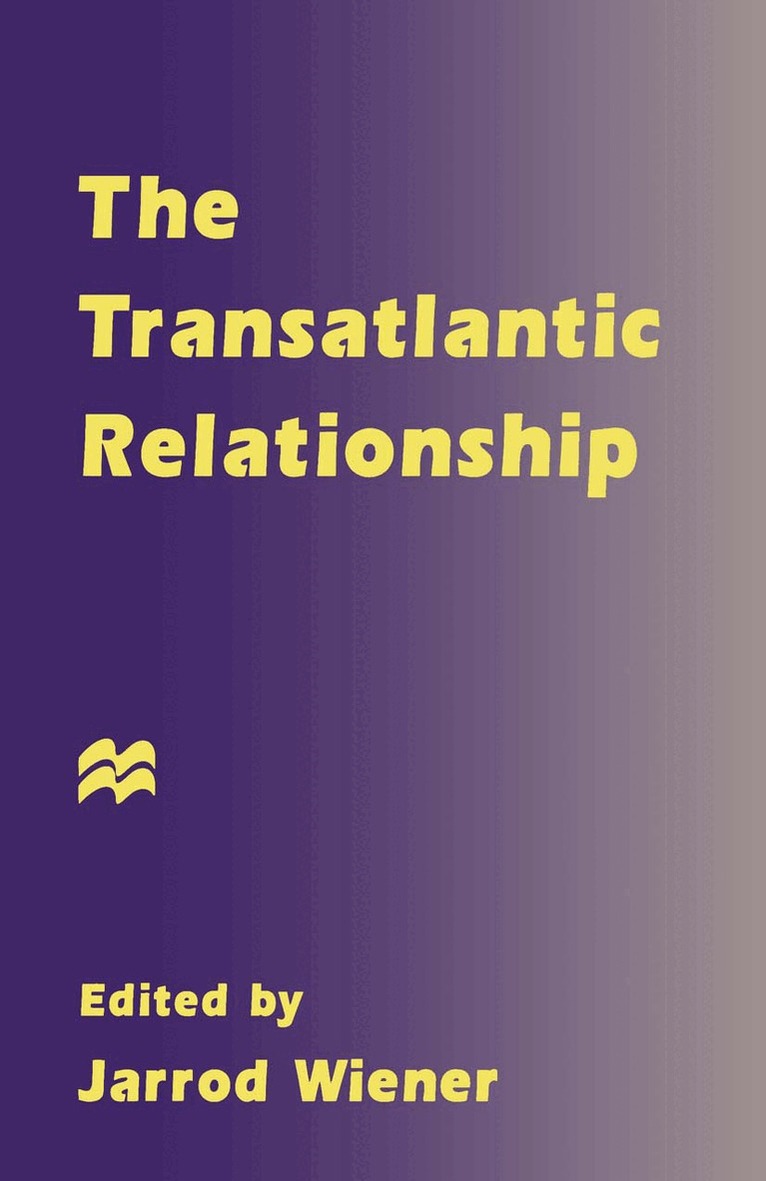
The Transatlantic Relationship, written by a group of experts drawn from both sides of the Atlantic, examines the security, trade, and cultural aspects of the United States - European Union relationship. It focuses in particular on the politics of alliance reconfigurations, especially with regard to NATO, the NACC, and the OSCE; the new issues in the new World Trade Organization; the structural factors affecting NAFTA-EU relations; and the cultural dimensions of the relationship.
990 kr
Skickas inom 10-15 vardagar
Debate about globalization has raised some serious questions about the viability of the state. Jarrod Wiener argues here that there is a danger of making generalizations that the state has lost authority across a range of sovereignty issues. Concentrating on one aspect of sovereignty, that of protective jurisdiction, Wiener examines the USA and the states of the European Union as actors that are highly integrated into transnational practices, and takes international banking, money laundering, and the Internet as case studies. Wiener believes that the challenge to sovereignty from these practices comes from deregulation and liberalization of public policy, with the consequent empowerment of civil society actors who are transnationally mobile. In response, states are pursuing a two-fold strategy to assert control. The first is "domestication", which is the formulation of municipal law to control the activities of individuals and to localize control on the territory of the state. The second process is that of "harmonization" of laws across borders, which standardizes the means of controlling civil society actors.