Jasmine R. Linabary – författare
Visar alla böcker från författaren . Handla med fri frakt och snabb leverans.
3 produkter
3 produkter
Inbunden, Engelska, 2026
1 168 kr
Kommande
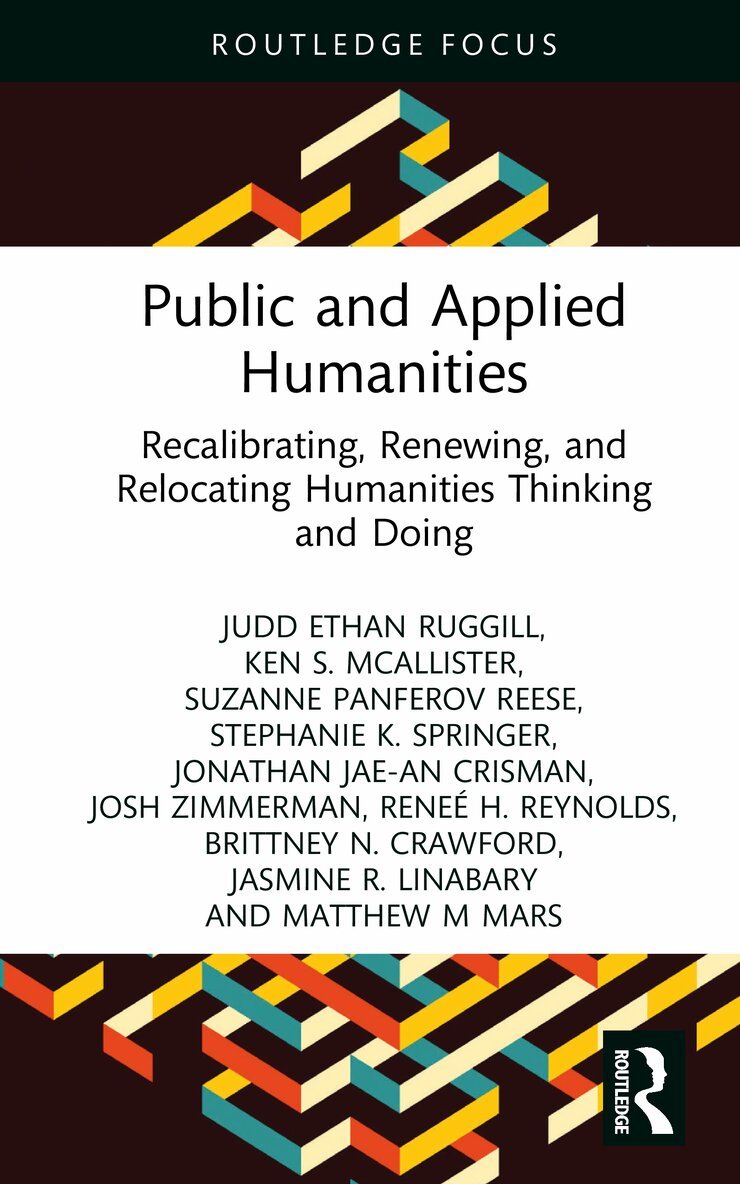
Public and Applied Humanities offers a timely account of how the humanities can act in the world. Written from the perspective of faculty who built the first Department of Public and Applied Humanities in the United States, the book explores how humanities knowledge can be translated into public-facing, use-oriented, and institutionally viable forms.The book examines the braided field of the public and applied humanities as both an intellectual orientation and a practical higher education structure. It asks what the public and applied humanities are and how they connect traditional humanities inquiry to community life, public needs, and professional practice. It then turns to curricula, showing how undergraduate programs can prepare students to work across disciplines, communicate with publics, and apply humanities skills in fields such as health, business, sustainability, design, and public service. Later chapters consider how public and applied humanities research expands evidentiary variety, knowledge-making participation, and scholarly output. The book also addresses student care, career readiness, and the institutional challenges of making new humanities programs sustainable and legible.This book is an essential resource for anyone working within the public humanities, or those wanting to make their work public and engage with wider communities.
Inbunden, Engelska, 2023
1 323 kr
Skickas inom 10-15 vardagar
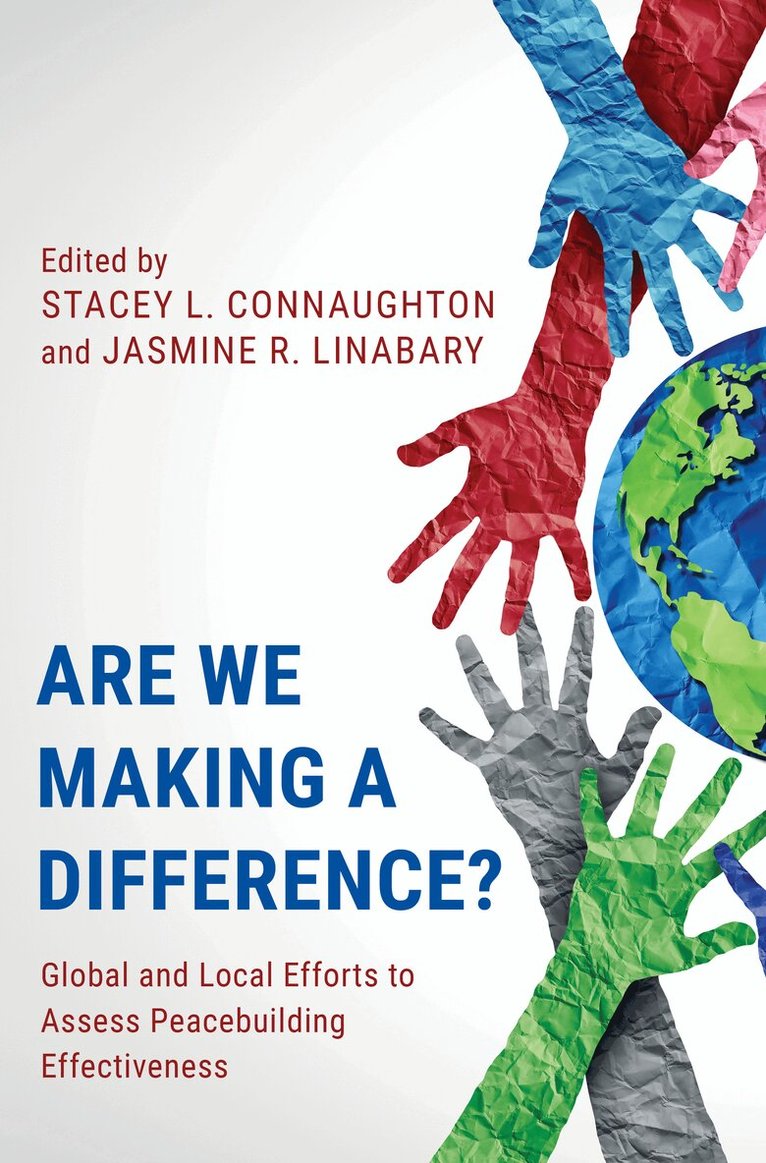
As the world experiences heightened levels of violent conflict and polarization, understanding what peacebuilding efforts are “effective” becomes all the more pressing. This groundbreaking edited volume brings together a diverse, global group of practitioners, researchers, and peacebuilders to grapple with urgent questions and challenges related to defining and assessing peacebuilding effectiveness. Sections of the book engage in critical reflection on what peacebuilding effectiveness is and who gets to decide, provide practical examples and case studies of the successes and failures of assessing peacebuilding work, and support innovative strategies and tools to move the field forward. Chapters reflect a variety of perspectives on peacebuilding effectiveness and methods—quantitative, qualitative, and participatory—to evaluate peacebuilding efforts, with particular attention to approaches that center those local to the peacebuilding process. Practitioners and policymakers alike will find useful arguments and approaches for evaluating peacebuilding activities and making the case for funding such efforts. This book aims to catalyze conversation and action among peacebuilding practitioners, academics, donors, and those directly affected by peacebuilding efforts about how we define and measure effectiveness.
Häftad, Engelska, 2023
700 kr
Skickas inom 10-15 vardagar
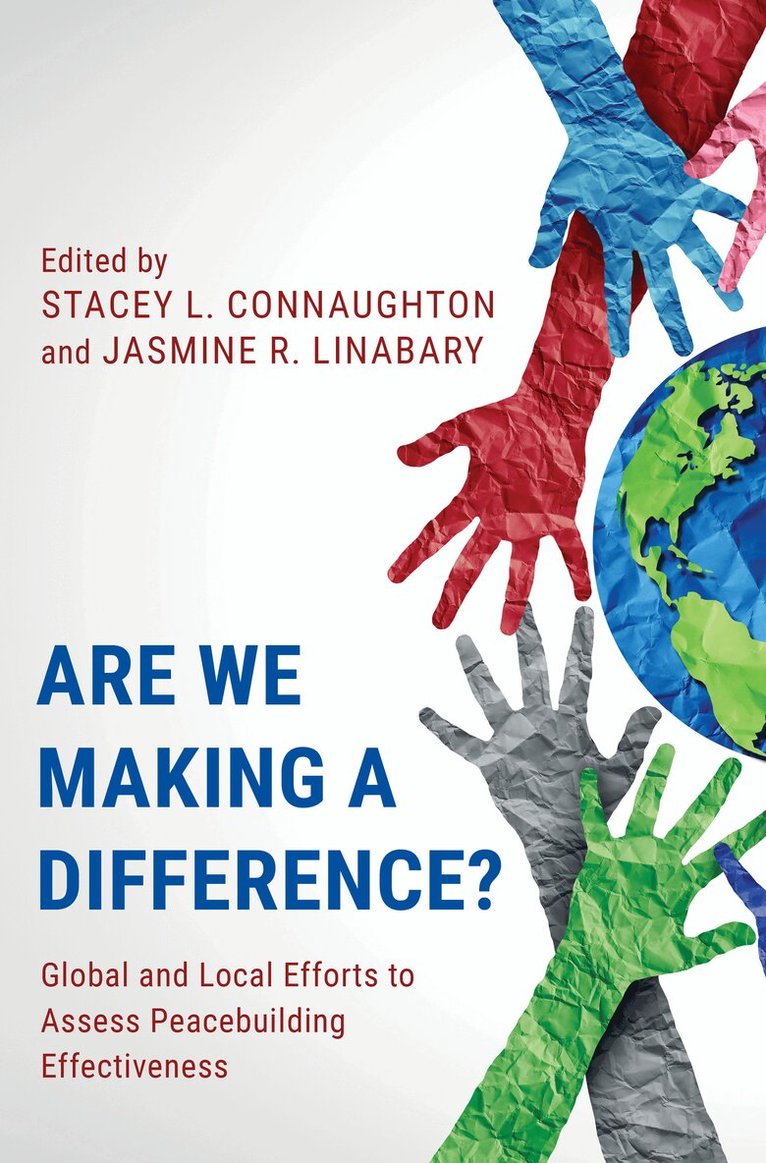
As the world experiences heightened levels of violent conflict and polarization, understanding what peacebuilding efforts are “effective” becomes all the more pressing. This groundbreaking edited volume brings together a diverse, global group of practitioners, researchers, and peacebuilders to grapple with urgent questions and challenges related to defining and assessing peacebuilding effectiveness. Sections of the book engage in critical reflection on what peacebuilding effectiveness is and who gets to decide, provide practical examples and case studies of the successes and failures of assessing peacebuilding work, and support innovative strategies and tools to move the field forward. Chapters reflect a variety of perspectives on peacebuilding effectiveness and methods—quantitative, qualitative, and participatory—to evaluate peacebuilding efforts, with particular attention to approaches that center those local to the peacebuilding process. Practitioners and policymakers alike will find useful arguments and approaches for evaluating peacebuilding activities and making the case for funding such efforts. This book aims to catalyze conversation and action among peacebuilding practitioners, academics, donors, and those directly affected by peacebuilding efforts about how we define and measure effectiveness.