Jason Challender – författare
2 066 kr
Skickas inom 10-15 vardagar
726 kr
Skickas inom 10-15 vardagar
849 kr
Läs direkt efter köp
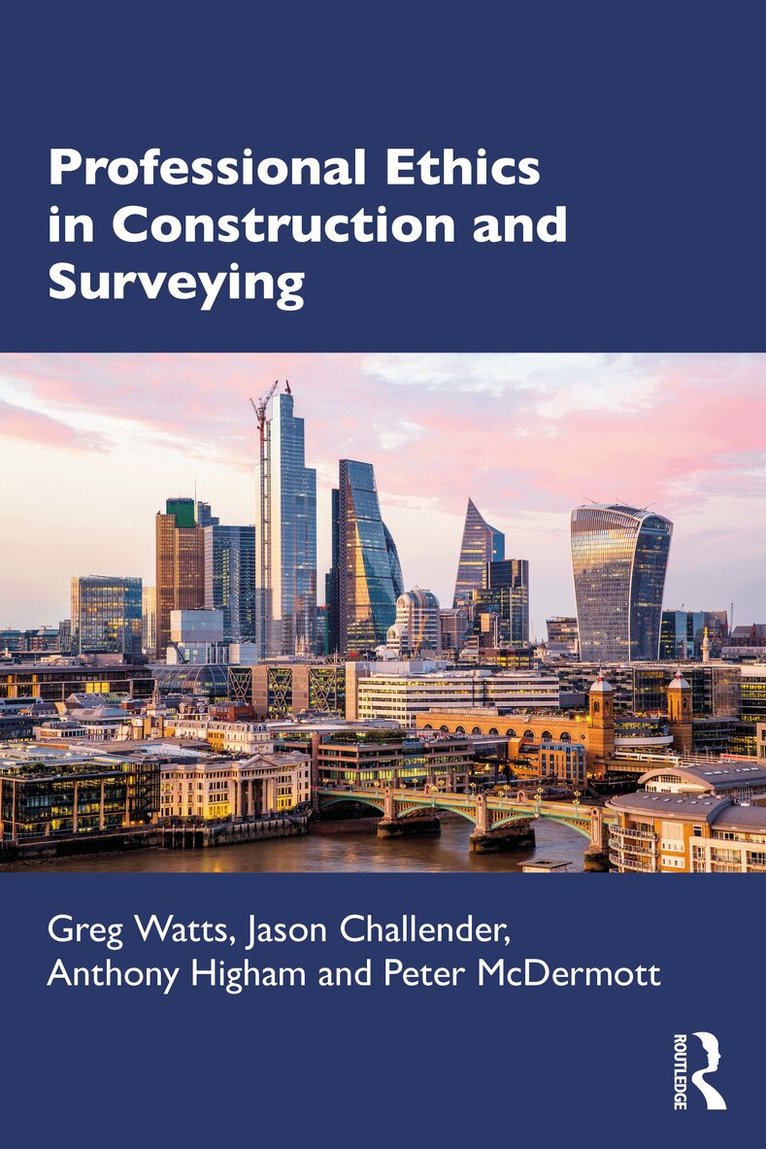
This textbook responds to the increasing demand for practical, industry aligned, ethical practices in quantity surveying, construction management and related AEC professions. Professional Ethics for Construction and Surveying addresses how existing ethical standards can be pragmatically applied to both private and contracting practice, with case studies aligned with the ethical requirements of the main professional bodies. After an introduction to ethics, the authors present real-world situations where the minimum legal and contractual requirements necessitate the combination of professional judgement and ethical decision-making. They outline how such situations arise, then address how decisions can and should be made that are in keeping with the moral, contractual and CSR requirements, with cases covering the building lifecycle from procurement to handover. Consequently, the book brings together ethical theory, existing worldwide ethical standards and the requirements of the RICS, the CIOB and the ICES, with the authors’ experiences of examining candidates for entry into the professional bodies.
The result is a professionally focused textbook aimed at vocational learners (at both undergraduate and postgraduate taught levels) and practitioners in construction, engineering, architecture and the wider built environment.
849 kr
Läs direkt efter köp
This textbook responds to the increasing demand for practical, industry aligned, ethical practices in quantity surveying, construction management and related AEC professions. Professional Ethics for Construction and Surveying addresses how existing ethical standards can be pragmatically applied to both private and contracting practice, with case studies aligned with the ethical requirements of the main professional bodies. After an introduction to ethics, the authors present real-world situations where the minimum legal and contractual requirements necessitate the combination of professional judgement and ethical decision-making. They outline how such situations arise, then address how decisions can and should be made that are in keeping with the moral, contractual and CSR requirements, with cases covering the building lifecycle from procurement to handover. Consequently, the book brings together ethical theory, existing worldwide ethical standards and the requirements of the RICS, the CIOB and the ICES, with the authors’ experiences of examining candidates for entry into the professional bodies.
The result is a professionally focused textbook aimed at vocational learners (at both undergraduate and postgraduate taught levels) and practitioners in construction, engineering, architecture and the wider built environment.
734 kr
Skickas inom 10-15 vardagar
2 508 kr
Skickas inom 10-15 vardagar
866 kr
Läs direkt efter köp
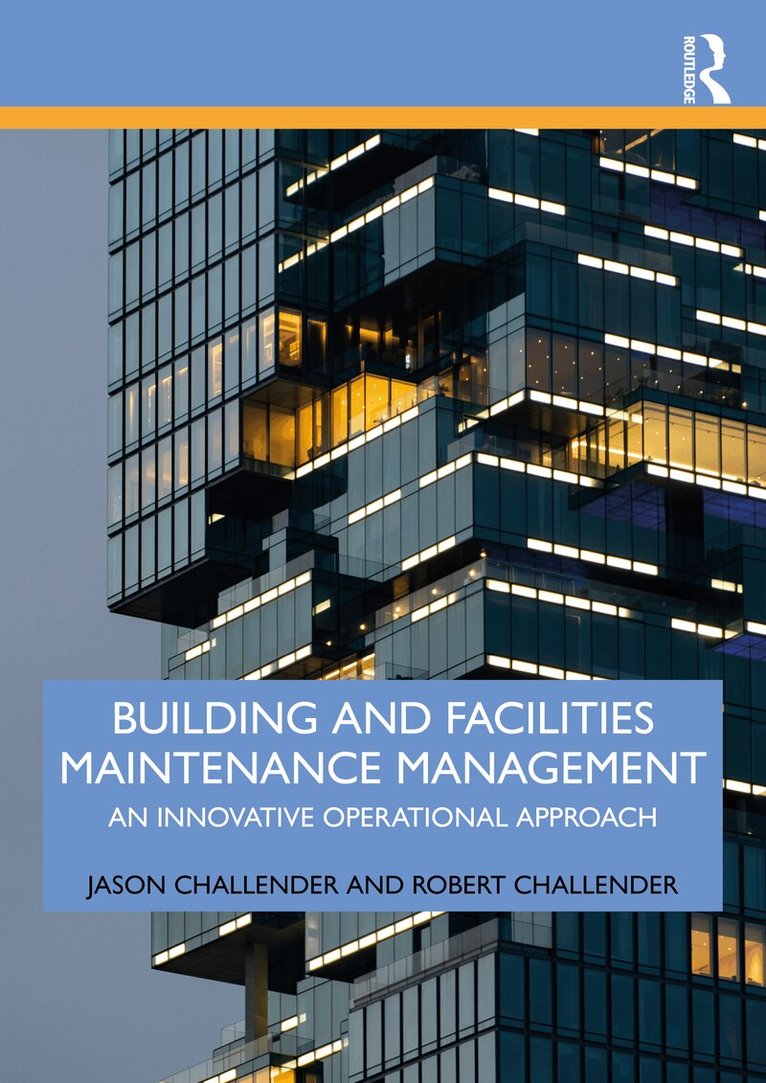
Building and Facilities Maintenance Management: An Innovative Operational Approach is a new introductory textbook aimed at students who are studying building maintenance and asset management for the first time as part of their undergraduate or foundation course. The book plugs a gap in the current curriculum and literature which must now seek to educate emerging professionals about the significance of the operational phase of a built asset’s lifecycle, if the challenges of the day are to be met head on.
Each chapter is supported by seminar questions and formative assessment tasks to allow the learner to assess their own progress through the text and covers:
The nature and importance of building maintenance for the successful strategic operation of an estate contracting and procurement of maintenance works risk assessment in maintenance management surveying for common maintenance issues and defects the relationship between maintenance management and environmental sustainability and maintenance and conservation of historic buildingsThe book will help readers enhance their awareness, understanding and breadth of knowledge of the issues around improving organisational maintenance management. A handy guide for emerging professionals, this practical book is also ideal reading for anyone studying facilities management, building surveying, construction management, real estate and property management.
866 kr
Läs direkt efter köp
Building and Facilities Maintenance Management: An Innovative Operational Approach is a new introductory textbook aimed at students who are studying building maintenance and asset management for the first time as part of their undergraduate or foundation course. The book plugs a gap in the current curriculum and literature which must now seek to educate emerging professionals about the significance of the operational phase of a built asset’s lifecycle, if the challenges of the day are to be met head on.
Each chapter is supported by seminar questions and formative assessment tasks to allow the learner to assess their own progress through the text and covers:
The nature and importance of building maintenance for the successful strategic operation of an estate contracting and procurement of maintenance works risk assessment in maintenance management surveying for common maintenance issues and defects the relationship between maintenance management and environmental sustainability and maintenance and conservation of historic buildingsThe book will help readers enhance their awareness, understanding and breadth of knowledge of the issues around improving organisational maintenance management. A handy guide for emerging professionals, this practical book is also ideal reading for anyone studying facilities management, building surveying, construction management, real estate and property management.
680 kr
Läs direkt efter köp
Provides a multidisciplinary introduction to building maintenance management and execution, covering a wide range of current technical and management issues
The maintenance and upgrading of existing buildings is no longer viewed as separate from the operational phase of the completed building. Maintenance and management are now regarded as fundamental parts of a building’s life cycle, forming a significant percentage of the construction industry’s total output. As higher education programmes in the UK and elsewhere continue to place greater emphasis on the longer-term view of construction projects, students and instructors require a thorough and up-to-date textbook that emphasises the comprehensive nature of building maintenance.
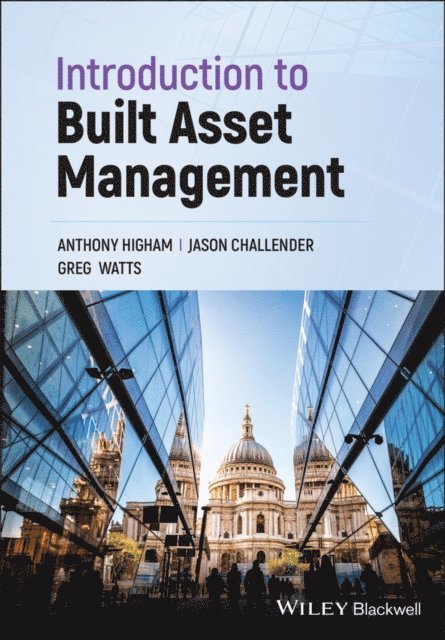
Introduction to Built Asset Management is a systematic introduction to both the technology and management issues central to building maintenance and refurbishment. Covering the entire life cycle of built assets, the textbook reviews the role of framework agreements, describes key performance indicators, discusses recent advancements in the procurement of maintenance activities and more. Detailed yet accessible chapters include illustrative examples, seminar questions and self-assessment tasks that enable students to measure their progress as they work through the material. Designed to meet the needs of today’s learners, this much-needed textbook:
Addresses a variety of both environmental and commercial concerns Evaluates important concepts of sustainability, sustainable maintenance and carbon resilience Discusses the growing retrofit market in the wider context of asset management and maintenance Describes information management tools such as building information modelling (BIM) and geographic information systems (GIS)Introduction to Built Asset Management is ideally suited for courses in construction, construction management, building surveying and facilities management with modules in built asset management and maintenance.
680 kr
Läs direkt efter köp
Provides a multidisciplinary introduction to building maintenance management and execution, covering a wide range of current technical and management issues
The maintenance and upgrading of existing buildings is no longer viewed as separate from the operational phase of the completed building. Maintenance and management are now regarded as fundamental parts of a building’s life cycle, forming a significant percentage of the construction industry’s total output. As higher education programmes in the UK and elsewhere continue to place greater emphasis on the longer-term view of construction projects, students and instructors require a thorough and up-to-date textbook that emphasises the comprehensive nature of building maintenance.
Introduction to Built Asset Management is a systematic introduction to both the technology and management issues central to building maintenance and refurbishment. Covering the entire life cycle of built assets, the textbook reviews the role of framework agreements, describes key performance indicators, discusses recent advancements in the procurement of maintenance activities and more. Detailed yet accessible chapters include illustrative examples, seminar questions and self-assessment tasks that enable students to measure their progress as they work through the material. Designed to meet the needs of today’s learners, this much-needed textbook:
Addresses a variety of both environmental and commercial concerns Evaluates important concepts of sustainability, sustainable maintenance and carbon resilience Discusses the growing retrofit market in the wider context of asset management and maintenance Describes information management tools such as building information modelling (BIM) and geographic information systems (GIS)Introduction to Built Asset Management is ideally suited for courses in construction, construction management, building surveying and facilities management with modules in built asset management and maintenance.
595 kr
Skickas inom 5-8 vardagar
1 515 kr
Skickas inom 11-20 vardagar
1 709 kr
Läs direkt efter köp
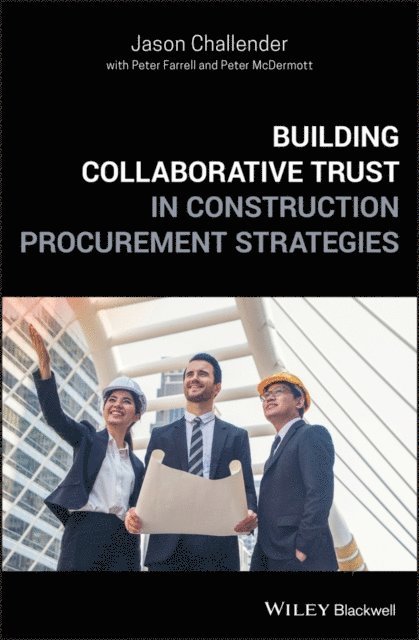
Provides a practical framework and toolkit for improved construction project outcomes based on trust and collaboration
This book explores the concept of trust as a tool in improved construction procurement strategies, and provides important insight into the influence of trust on the success of construction projects and redevelopment programs. It is a practical guide that offers readers a solid outline and expert strategies for improving project outcomes through collaboration—ultimately proving that teamwork can really make the dream work.
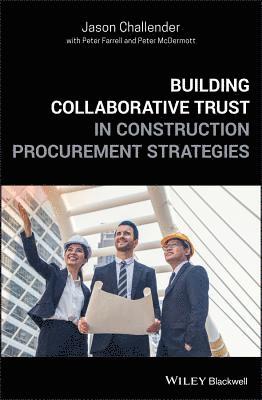
Building Collaborative Trust in Construction Procurement Strategies: A Practical Guide incorporates a toolkit, complete with flowcharts, to introduce certain trust building interventions within projects. It shows how initiatives and factors that influence collaborative trust can be easily implemented and embedded in construction management for improved practice. It also covers potential challenges, risks, problems, and barriers when it comes to trust. In addition, the book looks at the influences for collaborative trust in the construction industry as well as implications in practice for it in construction. It finishes by looking at the future of collaborative trust in construction procurement.
Teaches the importance and influence of trust on collaborative working and partnerships principles Examines to what extent trust within collaborative working arrangements influences the success of collaborative working practices Covers the effect that certain factors and trust building mechanisms have on collaborative working and partnerships and how they can be embedded into procurement of projects Discusses what constitutes best practice and how trust in collaborative procurement practices influences the success of construction projectsBuilding Collaborative Trust in Construction Procurement Strategies: A Practical Guide is an excellent book for construction management professionals, including clients, consultants, and contractors. It will also serve as a helpful text for undergraduate and postgraduate students and academics.
1 772 kr
Läs direkt efter köp
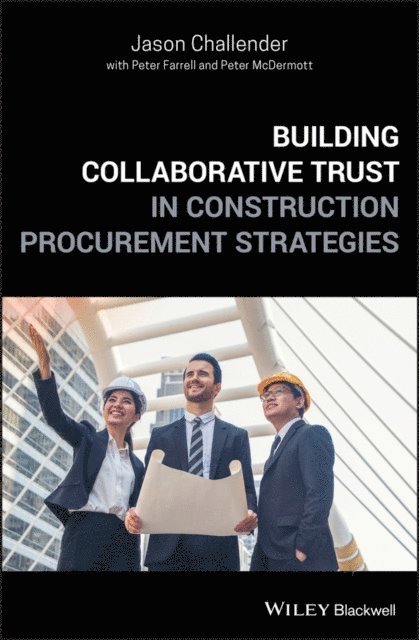
Provides a practical framework and toolkit for improved construction project outcomes based on trust and collaboration
This book explores the concept of trust as a tool in improved construction procurement strategies, and provides important insight into the influence of trust on the success of construction projects and redevelopment programs. It is a practical guide that offers readers a solid outline and expert strategies for improving project outcomes through collaboration—ultimately proving that teamwork can really make the dream work.
Building Collaborative Trust in Construction Procurement Strategies: A Practical Guide incorporates a toolkit, complete with flowcharts, to introduce certain trust building interventions within projects. It shows how initiatives and factors that influence collaborative trust can be easily implemented and embedded in construction management for improved practice. It also covers potential challenges, risks, problems, and barriers when it comes to trust. In addition, the book looks at the influences for collaborative trust in the construction industry as well as implications in practice for it in construction. It finishes by looking at the future of collaborative trust in construction procurement.
Teaches the importance and influence of trust on collaborative working and partnerships principles Examines to what extent trust within collaborative working arrangements influences the success of collaborative working practices Covers the effect that certain factors and trust building mechanisms have on collaborative working and partnerships and how they can be embedded into procurement of projects Discusses what constitutes best practice and how trust in collaborative procurement practices influences the success of construction projectsBuilding Collaborative Trust in Construction Procurement Strategies: A Practical Guide is an excellent book for construction management professionals, including clients, consultants, and contractors. It will also serve as a helpful text for undergraduate and postgraduate students and academics.
1 218 kr
Läs direkt efter köp
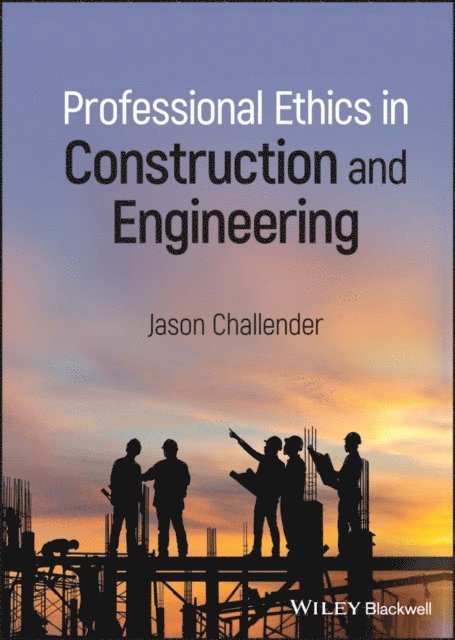
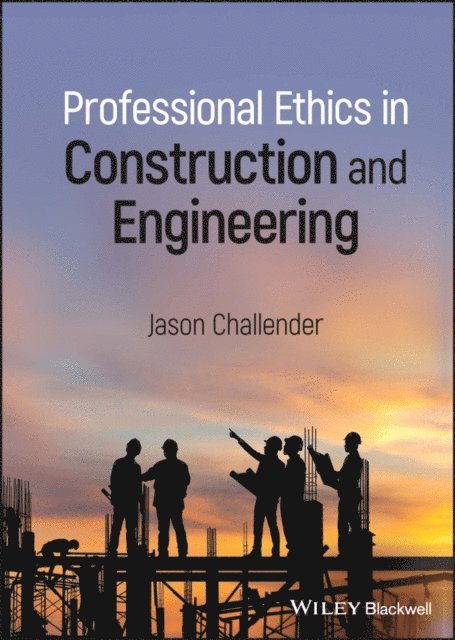
A comprehensive and incisive how-to guide that walks readers through the implementation of robust ethical standards in everyday construction management and decision-making
Recent and high-profile incidents—including the 2017 Grenfell Tower tragedy and the Lakanal House fire in 2009—have been attributed to failures in the building construction, design, and certification industries. Some commentators have suggested that, while professional construction organizations are bound by codes of ethics, such codes may be downplayed or sometimes even ignored in the day-to-day activities of construction professionals.
Professional Ethics in Construction and Engineering is a practical and industry-aligned guide on ethical practice in construction management. The book addresses how existing ethical standards should be applied in daily practice and offers case studies and examples to illustrate their effective implementation. The author also provides a toolkit that can be employed by frontline managers facing common ethical dilemmas.
Readers will find:
Thorough discussions of how problematic and dangerous ethical situations arise and how they should be addressed In-depth explorations of conflicts between legal and moral expectations, as well as mismatches between clients’ business goals and the duties of contracting organizations Playbooks for how impactful decisions should be made and how to uphold ethical standards and values Comprehensive review of existing ethical standards and the legal requirements binding construction professionals found in organizations like RICS, RIBA, and the CIOBA must-read document for construction management practitioners, Professional Ethics in Construction and Engineering will also be invaluable to construction clients, contractors, surveyors, and architects, as well as students of construction-related disciplines at undergraduate and postgraduate level.
1 052 kr
Skickas inom 5-8 vardagar
1 218 kr
Läs direkt efter köp
A comprehensive and incisive how-to guide that walks readers through the implementation of robust ethical standards in everyday construction management and decision-making
Recent and high-profile incidents—including the 2017 Grenfell Tower tragedy and the Lakanal House fire in 2009—have been attributed to failures in the building construction, design, and certification industries. Some commentators have suggested that, while professional construction organizations are bound by codes of ethics, such codes may be downplayed or sometimes even ignored in the day-to-day activities of construction professionals.
Professional Ethics in Construction and Engineering is a practical and industry-aligned guide on ethical practice in construction management. The book addresses how existing ethical standards should be applied in daily practice and offers case studies and examples to illustrate their effective implementation. The author also provides a toolkit that can be employed by frontline managers facing common ethical dilemmas.
Readers will find:
Thorough discussions of how problematic and dangerous ethical situations arise and how they should be addressed In-depth explorations of conflicts between legal and moral expectations, as well as mismatches between clients’ business goals and the duties of contracting organizations Playbooks for how impactful decisions should be made and how to uphold ethical standards and values Comprehensive review of existing ethical standards and the legal requirements binding construction professionals found in organizations like RICS, RIBA, and the CIOBA must-read document for construction management practitioners, Professional Ethics in Construction and Engineering will also be invaluable to construction clients, contractors, surveyors, and architects, as well as students of construction-related disciplines at undergraduate and postgraduate level.
1 248 kr
Skickas inom 5-8 vardagar
1 392 kr
Läs direkt efter köp
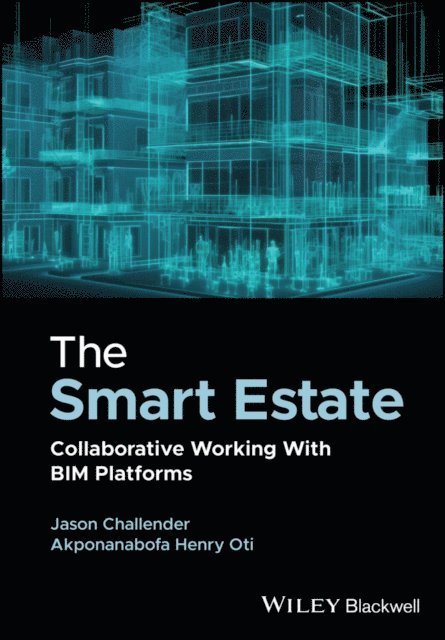
Bring your estate management methods into the future with this accessible guide
Building information modeling, or BIM, is a catch-all term for a wide array of tools and processes for creating digital representations of buildings or building components. These tools have been widely embraced for use in the construction phase of projects, but their potential has only begun to be realized in facility management and maintenance, even though these account for 85% of costs in the life cycle of a building. Organizations controlling diverse estates with multiple buildings of varying ages stand to benefit enormously from a BIM-informed approach to estate management.
The Smart Estate outlines such an approach and its potential to improve facility and estate management. Emphasizing practical applications, it moves beyond the project delivery stage to focus on the much longer — and costlier — period of building operation and maintenance. The result is a thorough and accessible guide to generating collaborative, BIM-informed methods.
The Smart Estate readers will also find:
Case studies and real-world scenarios illustrating best practicesDetailed discussion particularly suited to the needs of large-scale or public-sector organizationsDetailed step-by-step guide to developing a BIM-informed approach to a given asset portfolioThe Smart Estate is ideal for professionals in construction management and facilities management, as well as for advanced students and professionals in all construction related disciplines.
1 392 kr
Läs direkt efter köp
Bring your estate management methods into the future with this accessible guide
Building information modeling, or BIM, is a catch-all term for a wide array of tools and processes for creating digital representations of buildings or building components. These tools have been widely embraced for use in the construction phase of projects, but their potential has only begun to be realized in facility management and maintenance, even though these account for 85% of costs in the life cycle of a building. Organizations controlling diverse estates with multiple buildings of varying ages stand to benefit enormously from a BIM-informed approach to estate management.
The Smart Estate outlines such an approach and its potential to improve facility and estate management. Emphasizing practical applications, it moves beyond the project delivery stage to focus on the much longer — and costlier — period of building operation and maintenance. The result is a thorough and accessible guide to generating collaborative, BIM-informed methods.
The Smart Estate readers will also find:
Case studies and real-world scenarios illustrating best practicesDetailed discussion particularly suited to the needs of large-scale or public-sector organizationsDetailed step-by-step guide to developing a BIM-informed approach to a given asset portfolioThe Smart Estate is ideal for professionals in construction management and facilities management, as well as for advanced students and professionals in all construction related disciplines.
1 983 kr
Skickas inom 10-15 vardagar
755 kr
Skickas inom 10-15 vardagar
918 kr
Läs direkt efter köp
The Client Role in Successful Construction Projects is a practical guide for clients on how to initiate, procure and manage construction projects and developments. This book is written from the perspective of the client initiating a construction project as part of a business venture and differs from most available construction literature which can externalise the client as a risk to be managed by the design team. The book provides a practical framework for new and novice clients undertaking construction, giving them a voice and enabling them to:
Understand the challenges that they and the project are likely to face.
Communicate and interact effectively with key stakeholders and professionals within the industry.
Understand in straightforward terms where they can have a positive impact on the project.
Put in place a client-side due diligence process.
Reduce their institutional risk and the risk of project failure.
Discover how their standard models are able to co-exist and even transfer to a common client-side procedure for managing a construction project.
Written by clients, for clients, this book is highly recommended not only for clients, but for construction industry professionals who want to develop their own skills and enhance their working relationship with their clients. A supporting website for the book will be available, which will give practical examples of the points illustrated in the book and practical advice from specialists in the field.
918 kr
Läs direkt efter köp
The Client Role in Successful Construction Projects is a practical guide for clients on how to initiate, procure and manage construction projects and developments. This book is written from the perspective of the client initiating a construction project as part of a business venture and differs from most available construction literature which can externalise the client as a risk to be managed by the design team. The book provides a practical framework for new and novice clients undertaking construction, giving them a voice and enabling them to:
Understand the challenges that they and the project are likely to face.
Communicate and interact effectively with key stakeholders and professionals within the industry.
Understand in straightforward terms where they can have a positive impact on the project.
Put in place a client-side due diligence process.
Reduce their institutional risk and the risk of project failure.
Discover how their standard models are able to co-exist and even transfer to a common client-side procedure for managing a construction project.
Written by clients, for clients, this book is highly recommended not only for clients, but for construction industry professionals who want to develop their own skills and enhance their working relationship with their clients. A supporting website for the book will be available, which will give practical examples of the points illustrated in the book and practical advice from specialists in the field.
1 427 kr
Skickas inom 5-8 vardagar
1 613 kr
Läs direkt efter köp
A comprehensive analysis of the critical role played by ethics in construction organisations, and a toolkit for implementing a strong ethical culture
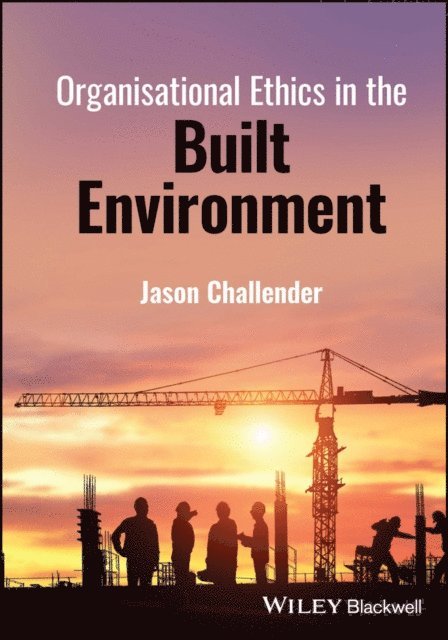
In Organisational Ethics in the Built Environment, accomplished construction leader Jason Challender delivers an insightful and important resource for construction industry professionals contributing to the creation of safe and suitable projects. The author explains how to construct the foundation for ethical building and business practices in the construction industry, and explores the methods, motives and rationales behind successful and ethical projects from an organisational and industry perspective.
You’ll learn how practical improvements to organisational ethics can promote ethical standards, behaviours and practices and influence the success of projects in the built environment. You’ll also discover the importance of leadership, motivational management, human resource management, corporate responsibility and social value in encouraging strict compliance and adherence to ethical principles, values and standards within organisations.
Readers will also find:
A thorough introduction to the critical importance of trust, collaborative working and partnering arrangements in contemporary construction and engineering organisations Comprehensive explorations of the relevance of environmental ethics Practical discussions of how to link corporate policies and strategies to ethical guidelines Case studies from across a variety of knowledge fields, including manufacturing and retailPerfect for construction managers, Organisational Ethics in the Built Environment will also benefit undergraduate and postgraduate students of construction, business, management, engineering and other construction related subjects.
1 557 kr
Läs direkt efter köp
A comprehensive analysis of the critical role played by ethics in construction organisations, and a toolkit for implementing a strong ethical culture
In Organisational Ethics in the Built Environment, accomplished construction leader Jason Challender delivers an insightful and important resource for construction industry professionals contributing to the creation of safe and suitable projects. The author explains how to construct the foundation for ethical building and business practices in the construction industry, and explores the methods, motives and rationales behind successful and ethical projects from an organisational and industry perspective.
You’ll learn how practical improvements to organisational ethics can promote ethical standards, behaviours and practices and influence the success of projects in the built environment. You’ll also discover the importance of leadership, motivational management, human resource management, corporate responsibility and social value in encouraging strict compliance and adherence to ethical principles, values and standards within organisations.
Readers will also find:
A thorough introduction to the critical importance of trust, collaborative working and partnering arrangements in contemporary construction and engineering organisations Comprehensive explorations of the relevance of environmental ethics Practical discussions of how to link corporate policies and strategies to ethical guidelines Case studies from across a variety of knowledge fields, including manufacturing and retailPerfect for construction managers, Organisational Ethics in the Built Environment will also benefit undergraduate and postgraduate students of construction, business, management, engineering and other construction related subjects.
1 180 kr
Skickas inom 5-8 vardagar
1 343 kr
Läs direkt efter köp
1 343 kr
Läs direkt efter köp