Jason Herbeck - Böcker
Visar alla böcker från författaren Jason Herbeck. Handla med fri frakt och snabb leverans.
3 produkter
3 produkter
Del 47 - Contemporary French and Francophone Cultures
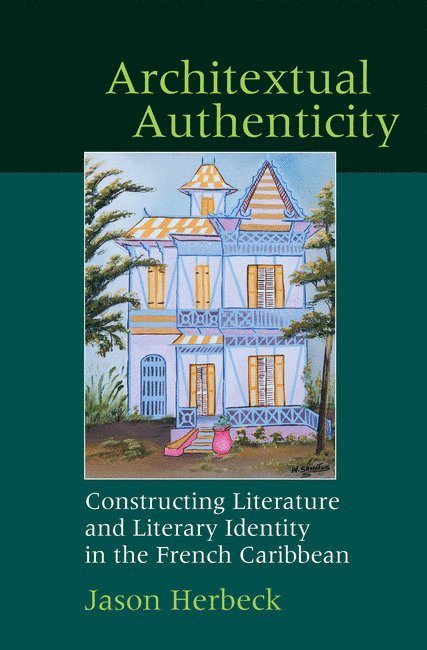
Architextual Authenticity
Constructing Literature and Literary Identity in the French Caribbean
Inbunden, Engelska, 2017
2 119 kr
Skickas inom 7-10 vardagar
Construction of identity has constituted a vigorous source of debate in the Caribbean from the early days of colonization to the present, and under the varying guises of independence, departmentalization, dictatorship, overseas collectivity and occupation. Given the strictures and structures of colonialism long imposed upon the colonized subject, the (re)makings of identity have proven anything but evident when it comes to determining authentic expressions and perceptions of the postcolonial self. By way of close readings of both constructions in literature and the construction of literature, Architextual Authenticity: Constructing Literature and Literary Identity in the French Caribbean proposes an original, informative frame of reference for understanding the long and ever-evolving struggle for social, cultural, historical and political autonomy in the region. Taking as its point of focus diverse canonical and lesser-known texts from Guadeloupe, Martinique and Haiti published between 1958 and 2013, this book examines the trope of the house (architecture) and the meta-textual construction of texts (architexture) as a means of conceptualizing and articulating how authentic means of expression are and have been created in French-Caribbean literature over the greater part of the past half-century—whether it be in the context of the years leading up to or following the departmentalization of France’s overseas colonies in the 1940’s, the wrath of Hurricane Hugo in 1989, or the devastating Haiti earthquake of 2010.
Del 47 - Contemporary French and Francophone Cultures
Architextual Authenticity
Constructing Literature and Literary Identity in the French Caribbean
Häftad, Engelska, 2020
582 kr
Skickas inom 7-10 vardagar
Construction of identity has constituted a vigorous source of debate in the Caribbean from the early days of colonization to the present, and under the varying guises of independence, departmentalization, dictatorship, overseas collectivity and occupation. Given the strictures and structures of colonialism long imposed upon the colonized subject, the (re)makings of identity have proven anything but evident when it comes to determining authentic expressions and perceptions of the postcolonial self. By way of close readings of both constructions in literature and the construction of literature, Architextual Authenticity: Constructing Literature and Literary Identity in the French Caribbean proposes an original, informative frame of reference for understanding the long and ever-evolving struggle for social, cultural, historical and political autonomy in the region. Taking as its point of focus diverse canonical and lesser-known texts from Guadeloupe, Martinique and Haiti published between 1958 and 2013, this book examines the trope of the house (architecture) and the meta-textual construction of texts (architexture) as a means of conceptualizing and articulating how authentic means of expression are and have been created in French-Caribbean literature over the greater part of the past half-century—whether it be in the context of the years leading up to or following the departmentalization of France’s overseas colonies in the 1940’s, the wrath of Hurricane Hugo in 1989, or the devastating Haiti earthquake of 2010.
Del 406 - Faux Titre
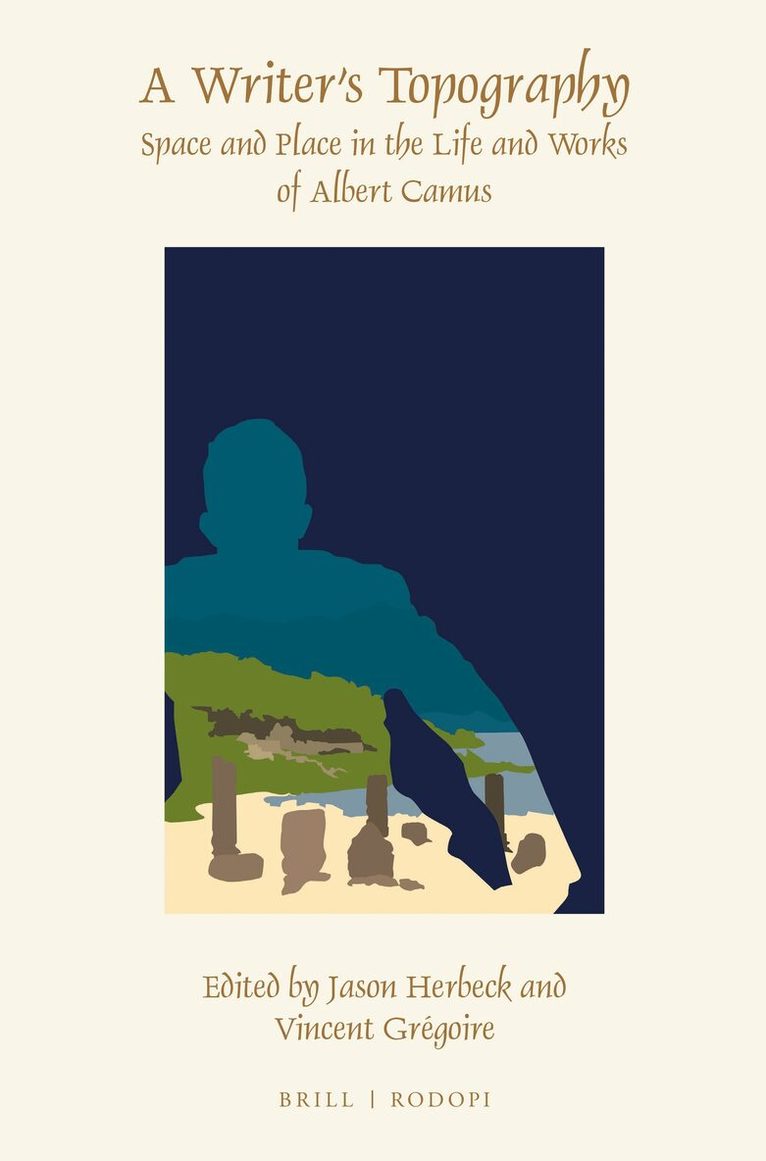
Writer's Topography
Space and Place in the Life and Works of Albert Camus
Häftad, Engelska, 2015
1 449 kr
Skickas inom 5-8 vardagar
A Writer’s Topography examines French-Algerian Nobel Prize laureate Albert Camus’s intimate yet often unsettled relationship with natural and human landscapes. Much like the Greek hero Sisyphus about whom he wrote his famous philosophical essay, Camus sustained a deep awareness of and appreciation for what he termed le visage de ce monde—the face of this earth. This wide-ranging collection of essays by Camus scholars from around the world demonstrates to what extent topography is omnipresent in Camus’s life and works. Configurations and contemplations of landscape figure prominently in his fictional works on both a literal and figurative level—from the earliest writings of his youth to his final, unfinished novel, Le Premier Homme. Furthermore, as a core component of the way in which Camus perceived, conceived and expressed the human condition, topography constitutes an over-arching and particularly profound dimension of his personal, public and philosophical thought.