Jason S. Villano – författare
Visar alla böcker från författaren Jason S. Villano. Handla med fri frakt och snabb leverans.
4 produkter
4 produkter
2 907 kr
Kommande
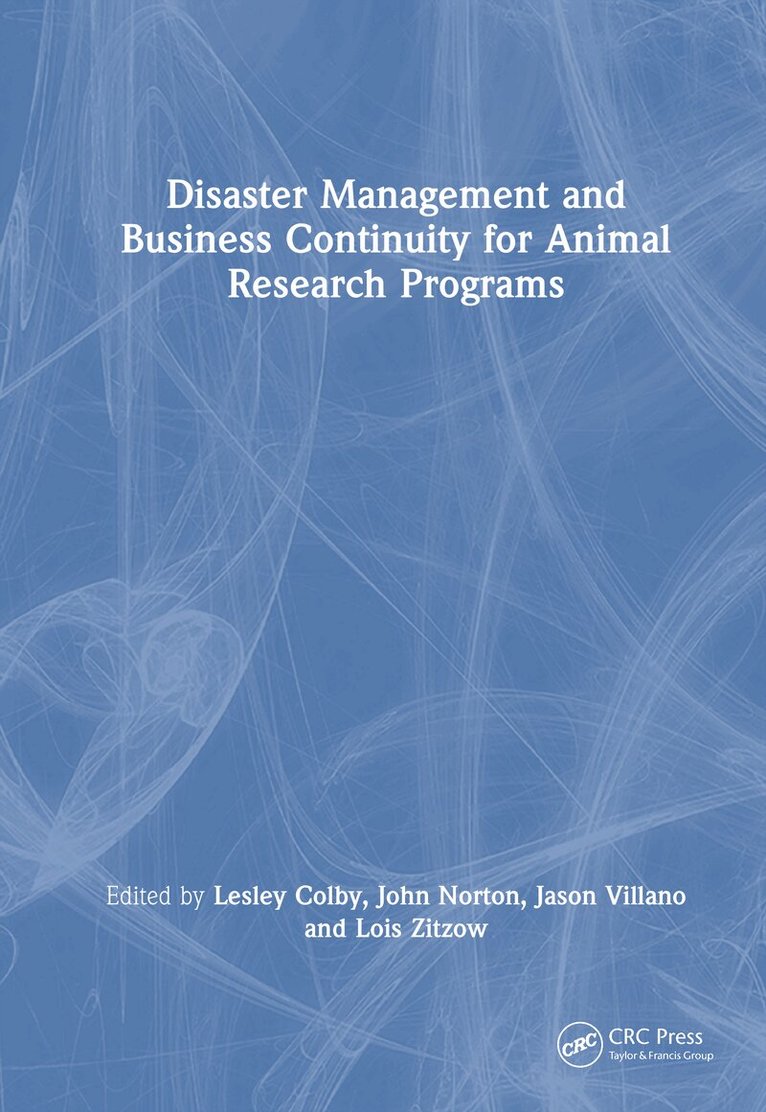
This book provides guidance on planning for, responding to, and recovering from the impacts of disasters that animal research programs may encounter, such as severe weather, catastrophic failures of facility mechanical systems, intentional or accidental damage to equipment or infrastructure, or significant personnel shortages such as those experienced during the COVID‑19 pandemic. Although individual programs may differ in their processes and facilities, the disaster preparedness and business continuity principles outlined in this book are broadly applicable and relevant to an international audience.The 17 chapters in this book are written by subject matter experts with extensive experience and expertise in animal research program management and/or emergency management. Each chapter offers in-depth coverage of a specific topic, including regulatory requirements, the Incident Command System, the development of disaster response and business continuity plans, training strategies, psychological well-being of personnel, information technology infrastructure and cyber-risk considerations, and effective communications. To support practical application, the book includes checklists, case studies and other resources designed to assist institutions in creating new disaster and business continuity plans as well as critically reviewing and revising existing plans.Considering the critical operational, ethical, and regulatory implications associated with disasters affecting animal research programs, this book is an essential resource for animal research program leadership, including institutional senior administrators, Institutional Animal Care and Use Committee/Oversight Body members, veterinarians, researchers, and animal care personnel, as well as the institutional facilities, engineering, and emergency management leadership and community emergency responders who support these programs.
795 kr
Kommande
This book provides guidance on planning for, responding to, and recovering from the impacts of disasters that animal research programs may encounter, such as severe weather, catastrophic failures of facility mechanical systems, intentional or accidental damage to equipment or infrastructure, or significant personnel shortages such as those experienced during the COVID‑19 pandemic. Although individual programs may differ in their processes and facilities, the disaster preparedness and business continuity principles outlined in this book are broadly applicable and relevant to an international audience.The 17 chapters in this book are written by subject matter experts with extensive experience and expertise in animal research program management and/or emergency management. Each chapter offers in-depth coverage of a specific topic, including regulatory requirements, the Incident Command System, the development of disaster response and business continuity plans, training strategies, psychological well-being of personnel, information technology infrastructure and cyber-risk considerations, and effective communications. To support practical application, the book includes checklists, case studies and other resources designed to assist institutions in creating new disaster and business continuity plans as well as critically reviewing and revising existing plans.Considering the critical operational, ethical, and regulatory implications associated with disasters affecting animal research programs, this book is an essential resource for animal research program leadership, including institutional senior administrators, Institutional Animal Care and Use Committee/Oversight Body members, veterinarians, researchers, and animal care personnel, as well as the institutional facilities, engineering, and emergency management leadership and community emergency responders who support these programs.
2 754 kr
Skickas inom 10-15 vardagar
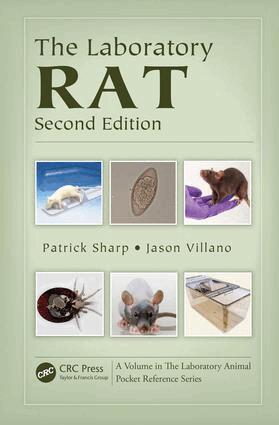
Rats have long been recognized as a valuable biomedical research model, notably in the investigation of aging, toxicology, addiction, and common human diseases such as diabetes and hypertension. In many instances, individuals conducting such research studies are charged with important responsibilities, including animal facility management, animal husbandry, veterinary care, regulatory compliance, and various experimental methodologies. With the advent of genetic manipulations and biomedical research technological advances such as bioimaging, the versatility and usefulness of the rat as an animal model has soared. The Laboratory Rat, Second Edition captures the multiple advances in this important animal model‘s husbandry, veterinary care, and experimental methodology. This edition features augmented, expanded, and novel information on biology, anesthesia, analgesia, and experimental techniques benefiting personnel working with rats from the animal care staff to the researcher and everyone in between. The book is also extremely useful to institutional animal care and use program supporters and elements, including animal care and use committees, institutional officials, occupational health and safety professionals, veterinary technicians, and veterinarians.
941 kr
Skickas inom 10-15 vardagar
Rats have long been recognized as a valuable biomedical research model, notably in the investigation of aging, toxicology, addiction, and common human diseases such as diabetes and hypertension. In many instances, individuals conducting such research studies are charged with important responsibilities, including animal facility management, animal husbandry, veterinary care, regulatory compliance, and various experimental methodologies. With the advent of genetic manipulations and biomedical research technological advances such as bioimaging, the versatility and usefulness of the rat as an animal model has soared. The Laboratory Rat, Second Edition captures the multiple advances in this important animal model’s husbandry, veterinary care, and experimental methodology. This edition features augmented, expanded, and novel information on biology, anesthesia, analgesia, and experimental techniques benefiting personnel working with rats—from the animal care staff to the researcher and everyone in between. The book is also extremely useful to institutional animal care and use program supporters and elements, including animal care and use committees, institutional officials, occupational health and safety professionals, veterinary technicians, and veterinarians.