Jason Wingard – författare
Visar alla böcker från författaren Jason Wingard. Handla med fri frakt och snabb leverans.
6 produkter
6 produkter
E-bok
Engelska, 2015279 kr
Läs direkt efter köp
Today’s global knowledge economy requires individuals and companies alike to quickly adapt to new tools and strategies. To remain competitive, both must continually seek out the latest advancements and developments, and upgrade their skillsets accordingly. In the United States, however, support for ongoing education lags far behind other developed nations, creating a crippling skills gap between the workforce and industries in the US and its global competitors.In a country that has been multiple steps ahead of everyone else since its birth, how did this happen? Why are other countries, previously inferior when it came to technological advancements, suddenly faring markedly better? What keeps our nation’s vast network of corporate training, workforce development, and K-12 and college education so fragmented and inefficient? In the tells-it-like-it-is Learning for Life, readers will learn about:• Why America’s existing educational models are failing employees and employers• The shift in content knowledge toward new ways of thinking and working• Policies and programs that are working in the US and abroad• Recommendations for overhauling our education and training infrastructure and building partnerships between providers and employersThe stakes are too important for America to continue falling behind in its education. But the good news is, the pathways to get us back to the top are there ahead of us. Learning for Life points the way forward.
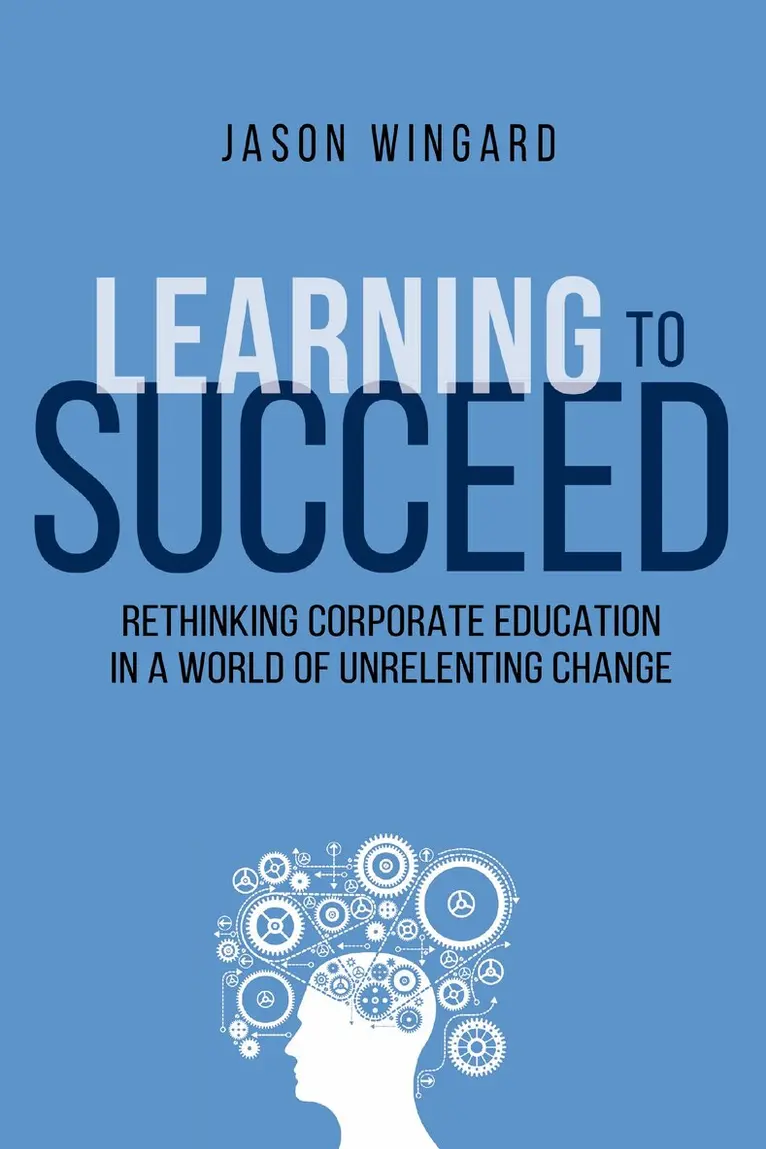
Häftad, Engelska, 2015
277 kr
Skickas inom 5-8 vardagar
Inbunden, Engelska, 2021
512 kr
Skickas inom 10-15 vardagar
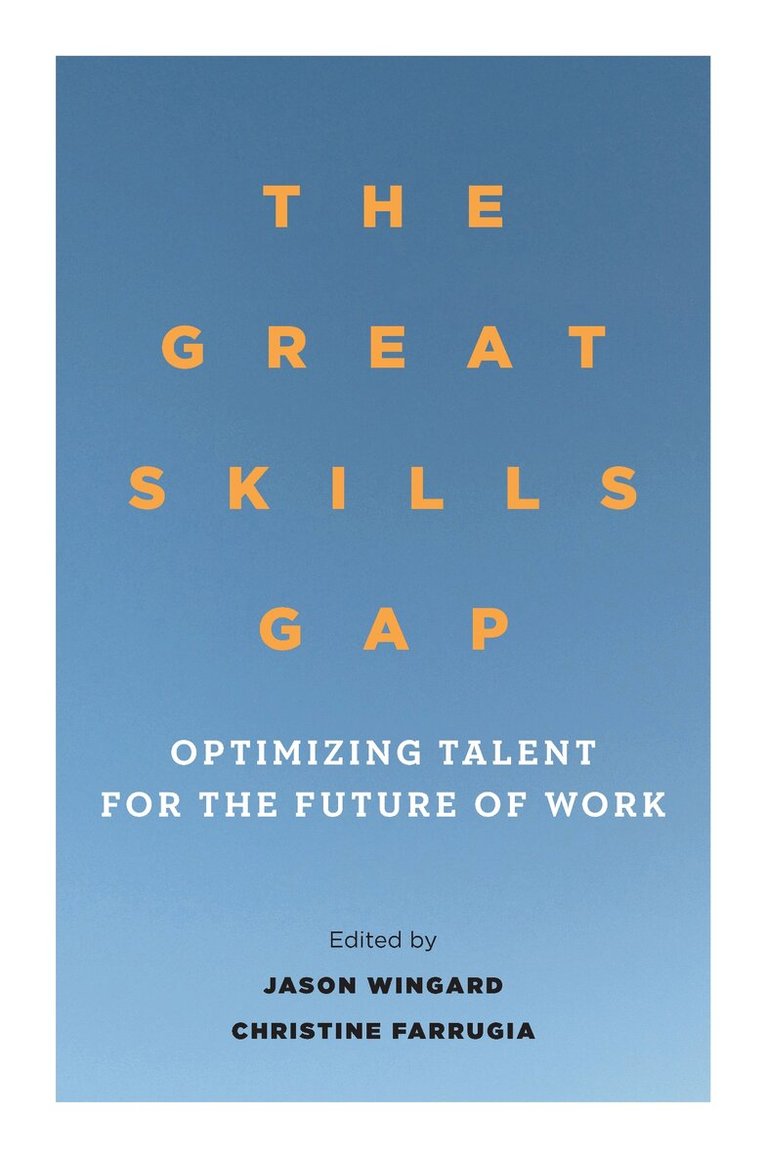
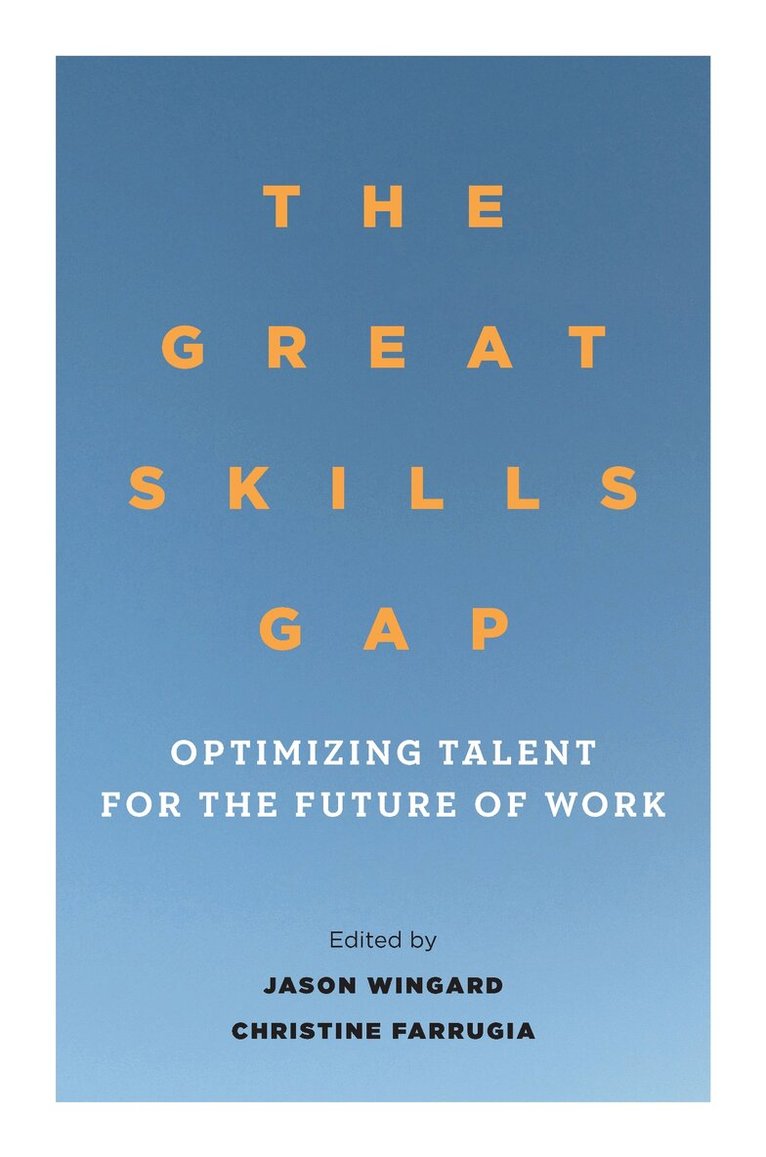
An extraordinary confluence of forces stemming from automation and digital technologies is transforming both the world of work and the ways we educate current and future employees to contribute productively to the workplace. The Great Skills Gap opens with the premise that the exploding scope and pace of technological innovation in the digital age is fast transforming the fundamental nature of work. Due to these developments, the skills and preparation that employers need from their talent pool are shifting. The accelerated pace of evolution and disruption in the competitive business landscape demands that workers be not only technically proficient, but also exceptionally agile in their capacity to think and act creatively and quickly learn new skills. This book explores how these transformative forces are—or should be—driving innovations in how colleges and universities prepare students for their careers. Focused on the impact of this confluence of forces at the nexus of work and higher education, the book's contributors—an illustrious group of leading educators, prominent employers, and other thought leaders—answer profound questions about how business and higher education can best collaborate in support of the twenty-first century workforce.
Inbunden, Engelska, 2022
324 kr
Skickas inom 10-15 vardagar
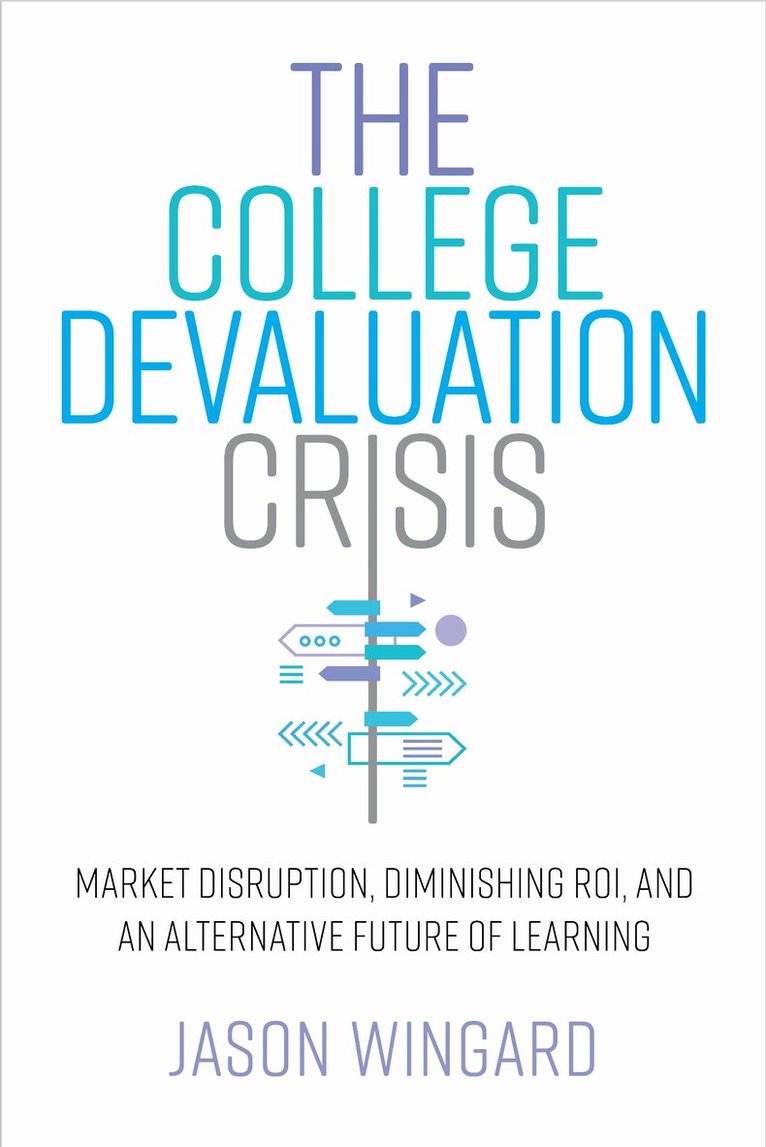
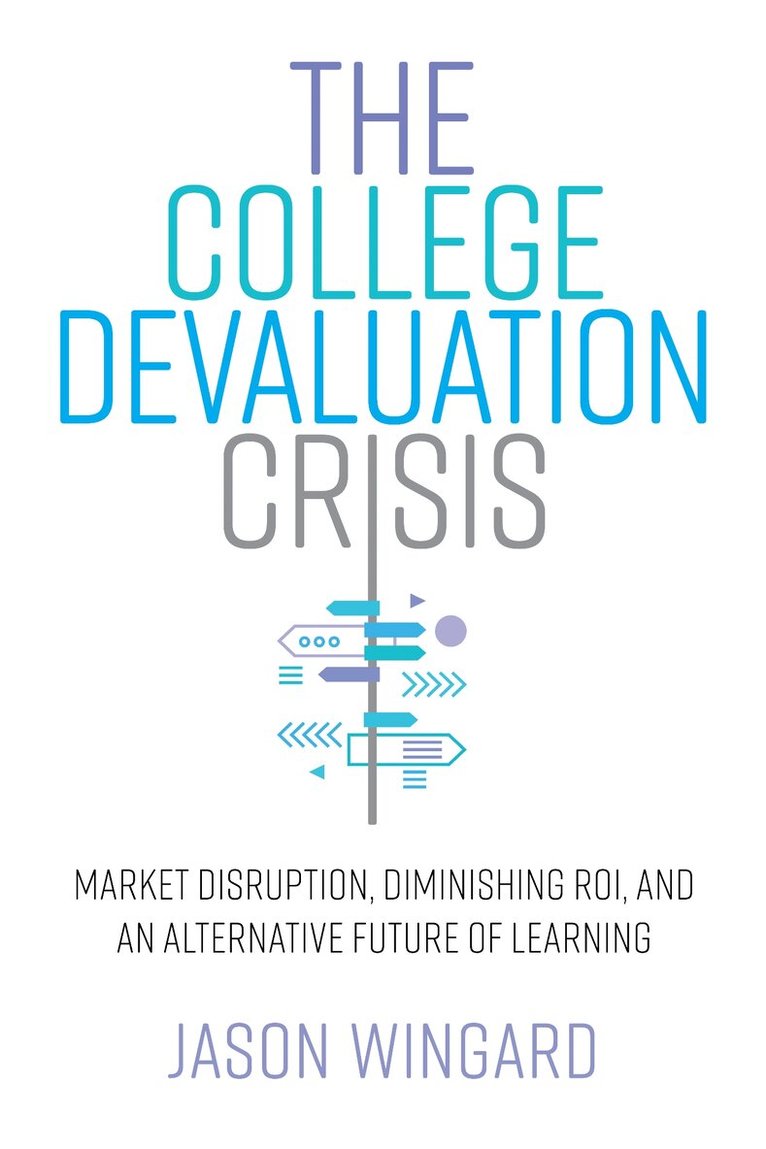
Employers are stepping in to innovate new approaches to training talent that increasingly operates independently of the higher education sector.The value proposition of the college degree, long the most guaranteed route to professional preparation for work, is no longer keeping pace with rapidly evolving skill needs that derive from technological advancements impacting today's work force. If the university system does not engage in responsive restructuring, more and more workplaces will bypass them entirely and, instead, identify alternative sources of training that equip learners with competencies to directly meet dynamic needs.The College Devaluation Crisis makes the case that employers and other learning and development entities are emerging to innovate new approaches to training talent that, at times, relies on the higher education sector, but increasingly operates independently in order to satisfy talent needs more agilely and effectively.Written primarily for managers, the book focuses on case studies from leading companies, including Google, Ernst & Young, and General Assembly, to illustrate their innovative strategies for talent development across varying levels of individual education, age, and background. The book also addresses professionals on the university side, urging readers to consider the question: Will higher education pivot and adapt, or will it resist change and, therefore, be replaced?
E-bok
Engelska, 2021568 kr
Läs direkt efter köp
An extraordinary confluence of forces stemming from automation and digital technologies is transforming both the world of work and the ways we educate current and future employees to contribute productively to the workplace. The Great Skills Gap opens with the premise that the exploding scope and pace of technological innovation in the digital age is fast transforming the fundamental nature of work. Due to these developments, the skills and preparation that employers need from their talent pool are shifting. The accelerated pace of evolution and disruption in the competitive business landscape demands that workers be not only technically proficient, but also exceptionally agile in their capacity to think and act creatively and quickly learn new skills. This book explores how these transformative forces are—or should be—driving innovations in how colleges and universities prepare students for their careers. Focused on the impact of this confluence of forces at the nexus of work and higher education, the book's contributors—an illustrious group of leading educators, prominent employers, and other thought leaders—answer profound questions about how business and higher education can best collaborate in support of the twenty-first century workforce.
E-bok
Engelska, 2022385 kr
Läs direkt efter köp
Employers are stepping in to innovate new approaches to training talent that increasingly operates independently of the higher education sector.The value proposition of the college degree, long the most guaranteed route to professional preparation for work, is no longer keeping pace with rapidly evolving skill needs that derive from technological advancements impacting today's work force. If the university system does not engage in responsive restructuring, more and more workplaces will bypass them entirely and, instead, identify alternative sources of training that equip learners with competencies to directly meet dynamic needs.The College Devaluation Crisis makes the case that employers and other learning and development entities are emerging to innovate new approaches to training talent that, at times, relies on the higher education sector, but increasingly operates independently in order to satisfy talent needs more agilely and effectively.Written primarily for managers, the book focuses on case studies from leading companies, including Google, Ernst & Young, and General Assembly, to illustrate their innovative strategies for talent development across varying levels of individual education, age, and background. The book also addresses professionals on the university side, urging readers to consider the question: Will higher education pivot and adapt, or will it resist change and, therefore, be replaced?