Jay Hakes – författare
Visar alla böcker från författaren Jay Hakes. Handla med fri frakt och snabb leverans.
5 produkter
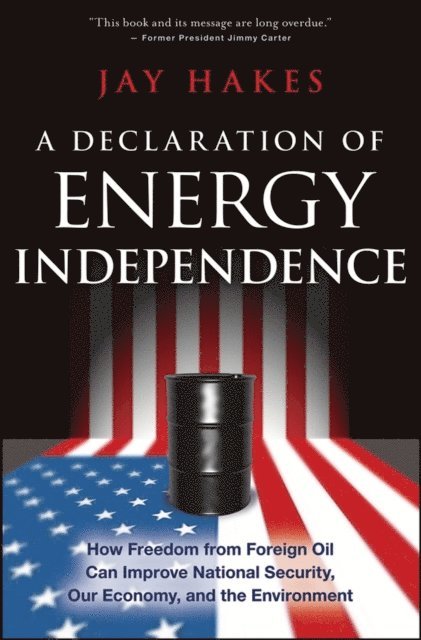
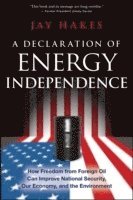
Declaration of Energy Independence
How Freedom from Foreign Oil Can Improve National Security, Our Economy, and the Environment
Av Jay Hakes
E-bok, 2008
271 kr
Lägg i varukorg
If you’ve wondered about how America can break links between oil consumption, terrorism, and the war in Iraq, A Declaration of Energy Independence: How Freedom from Foreign Oil Can Improve National Security, Our Economy, and the Environment will show you how our country can gain energy independence …
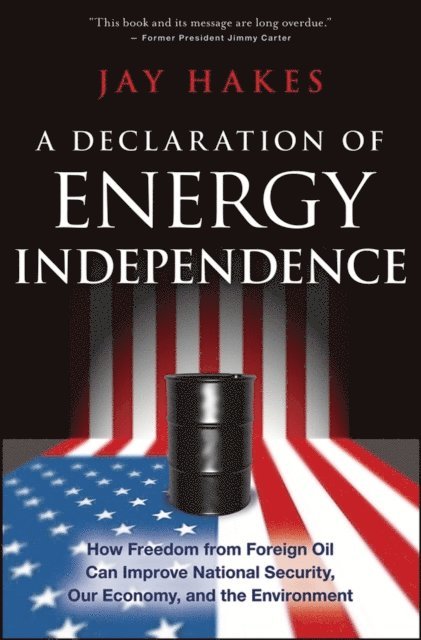
Declaration of Energy Independence
How Freedom from Foreign Oil Can Improve National Security, Our Economy, and the Environment
Av Jay Hakes
E-bok, 2008
277 kr
Lägg i varukorg
If you’ve wondered about how America can break links between oil consumption, terrorism, and the war in Iraq, A Declaration of Energy Independence: How Freedom from Foreign Oil Can Improve National Security, Our Economy, and the Environment will show you how our country can gain energy independence …
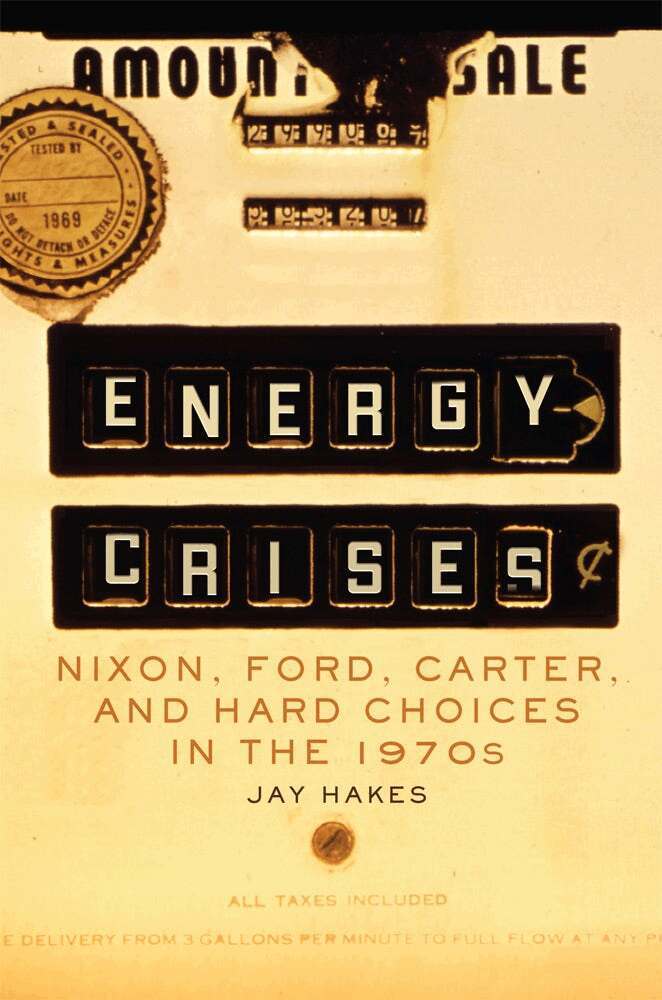
Energy Crises
Nixon, Ford, Carter, and Hard Choices in the 1970s
Av Jay Hakes
Häftad, 2022
289 kr
Lägg i varukorg
The 1970s were a decade of historic American energy crises—major interruptions in oil supplies from the Middle East, the country’s most dangerous nuclear accident, and chronic shortages of natural gas. In Energy Crises, Jay Hakes brings his expertise in energy and presidential history to bear on …
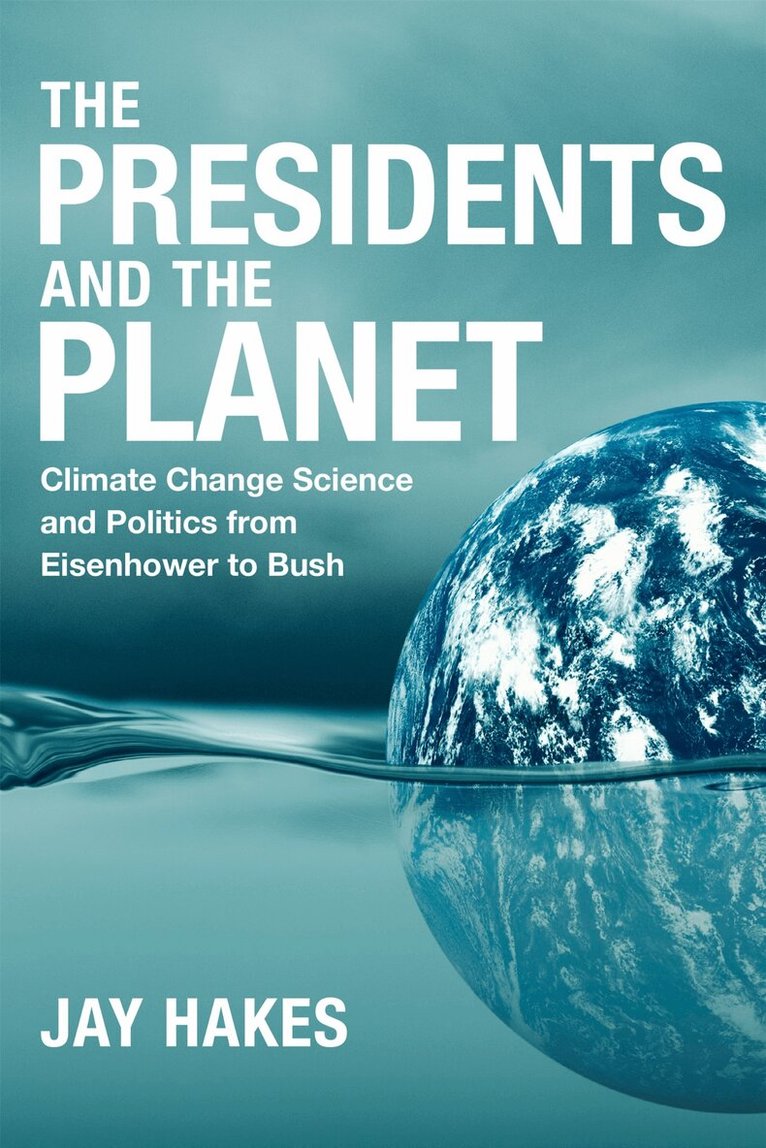
Presidents and the Planet
Climate Change Science and Politics from Eisenhower to Bush
Av Jay Hakes
Inbunden, 2024
453 kr
Lägg i varukorg
The Presidents and the Planet recounts the story of the world's greatest environmental dilemma through the eyes of early climate change pioneers. It begins in the 1950s, when American scientists first warned about the risks of pollution altering the natural climate in dramatic ways, the national …
Declaration of Energy Independence
How Freedom from Foreign Oil Can Improve National Security, Our Economy, and the Environment
Av Jay Hakes
Häftad, 2015
226 kr
Lägg i varukorg
If you’ve wondered about how America can break links between oil consumption, terrorism, and the war in Iraq, A Declaration of Energy Independence: How Freedom from Foreign Oil Can Improve National Security, Our Economy, and the Environment will show you how our country can gain energy independence …