
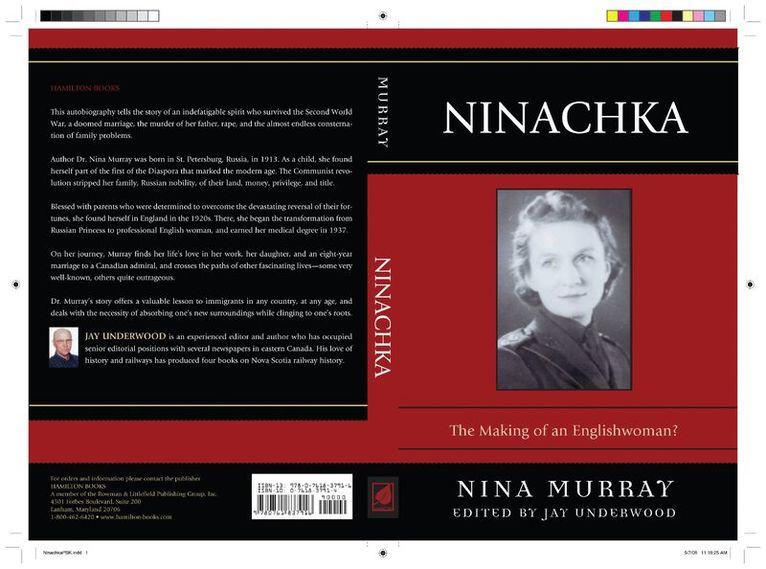
This autobiography tells the story of an indefatigable spirit who survived the Second World War, a doomed marriage, the murder of her father, rape, and the almost endless consternation of family problems.Author Dr. Nina Murray was born in St. Petersburg, Russia in 1913. As a child, she found herself part of the first of the Diaspora that marked the modern age. The Communist revolution stripped her family, Russian nobility, of their land, money, privilege, and title. Blessed with parents who were determined to overcome the devastating reversal of their fortunes, she found herself in England in the 1920's. There, she began the transformation from Russian Princess to professional English woman, and earned her medical degree in 1937.On her journey, Murray finds her life's love in her work, her daughter and an eight-year marriage to a Canadian admiral, and crosses the paths of other fascinating lives—some very well-known, others quite outrageous. Dr. Murray's story offers a valuable lesson to immigrants in any country, at any age, and deals with the necessity of absorbing one's new surroundings while clinging to one's roots.
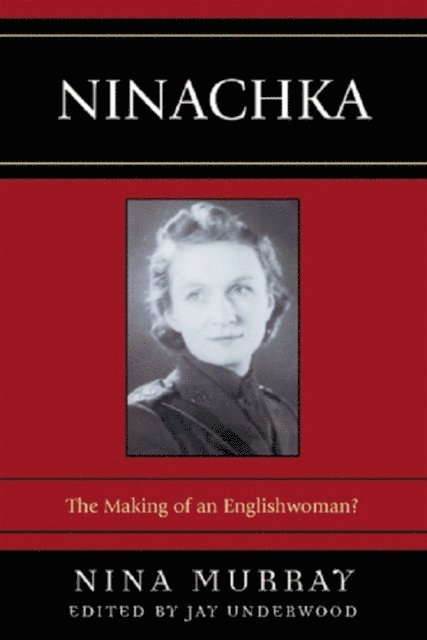
This autobiography tells the story of an indefatigable spirit who survived the Second World War, a doomed marriage, the murder of her father, rape, and the almost endless consternation of family problems.Author Dr. Nina Murray was born in St. Petersburg, Russia in 1913. As a child, she found herself part of the first of the Diaspora that marked the modern age. The Communist revolution stripped her family, Russian nobility, of their land, money, privilege, and title. Blessed with parents who were determined to overcome the devastating reversal of their fortunes, she found herself in England in the 1920''s. There, she began the transformation from Russian Princess to professional English woman, and earned her medical degree in 1937.On her journey, Murray finds her life''s love in her work, her daughter and an eight-year marriage to a Canadian admiral, and crosses the paths of other fascinating lives-some very well-known, others quite outrageous. Dr. Murray''s story offers a valuable lesson to immigrants in any country, at any age, and deals with the necessity of absorbing one''s new surroundings while clinging to one''s roots.
James Richardson Forman was born in 1822 at Halifax, and returned from Scotland in 1854 to oversee the construction of the Nova Scotia Railway, the first publicly owned railway in the British Empire. But did he become a victim of Nova Scotia's venal politics? He had been appointed to his post at the request of Reformer Joseph Howe, but was dismissed from office in 1858 by James W. Johnston, who became Conservative premier of the province in 1857. Two years after he left for a brilliant career in Scotland, it was discovered that most of the reasons for his dismissal were the fault of his second-in-command, who was also Johnston's nephew! The book examines the unfair treatment Forman received at the hands of his Nova Scotia countrymen, and asks the question if it could have been Forman, and not Sandford Fleming, who would later (in 1867 to 1876) have built Canada's Intercolonial Railway from Nova Scotia to Quebec City, had he been allowed to stay on the project.
This autobiography tells the story of an indefatigable spirit who survived the Second World War, a doomed marriage, the murder of her father, rape, and the almost endless consternation of family problems.Author Dr. Nina Murray was born in St. Petersburg, Russia in 1913. As a child, she found herself part of the first of the Diaspora that marked the modern age. The Communist revolution stripped her family, Russian nobility, of their land, money, privilege, and title. Blessed with parents who were determined to overcome the devastating reversal of their fortunes, she found herself in England in the 1920's. There, she began the transformation from Russian Princess to professional English woman, and earned her medical degree in 1937.On her journey, Murray finds her life's love in her work, her daughter and an eight-year marriage to a Canadian admiral, and crosses the paths of other fascinating lives—some very well-known, others quite outrageous. Dr. Murray's story offers a valuable lesson to immigrants in any country, at any age, and deals with the necessity of absorbing one's new surroundings while clinging to one's roots.
This autobiography tells the story of an indefatigable spirit who survived the Second World War, a doomed marriage, the murder of her father, rape, and the almost endless consternation of family problems.Author Dr. Nina Murray was born in St. Petersburg, Russia in 1913. As a child, she found herself part of the first of the Diaspora that marked the modern age. The Communist revolution stripped her family, Russian nobility, of their land, money, privilege, and title. Blessed with parents who were determined to overcome the devastating reversal of their fortunes, she found herself in England in the 1920''s. There, she began the transformation from Russian Princess to professional English woman, and earned her medical degree in 1937.On her journey, Murray finds her life''s love in her work, her daughter and an eight-year marriage to a Canadian admiral, and crosses the paths of other fascinating lives-some very well-known, others quite outrageous. Dr. Murray''s story offers a valuable lesson to immigrants in any country, at any age, and deals with the necessity of absorbing one''s new surroundings while clinging to one''s roots.
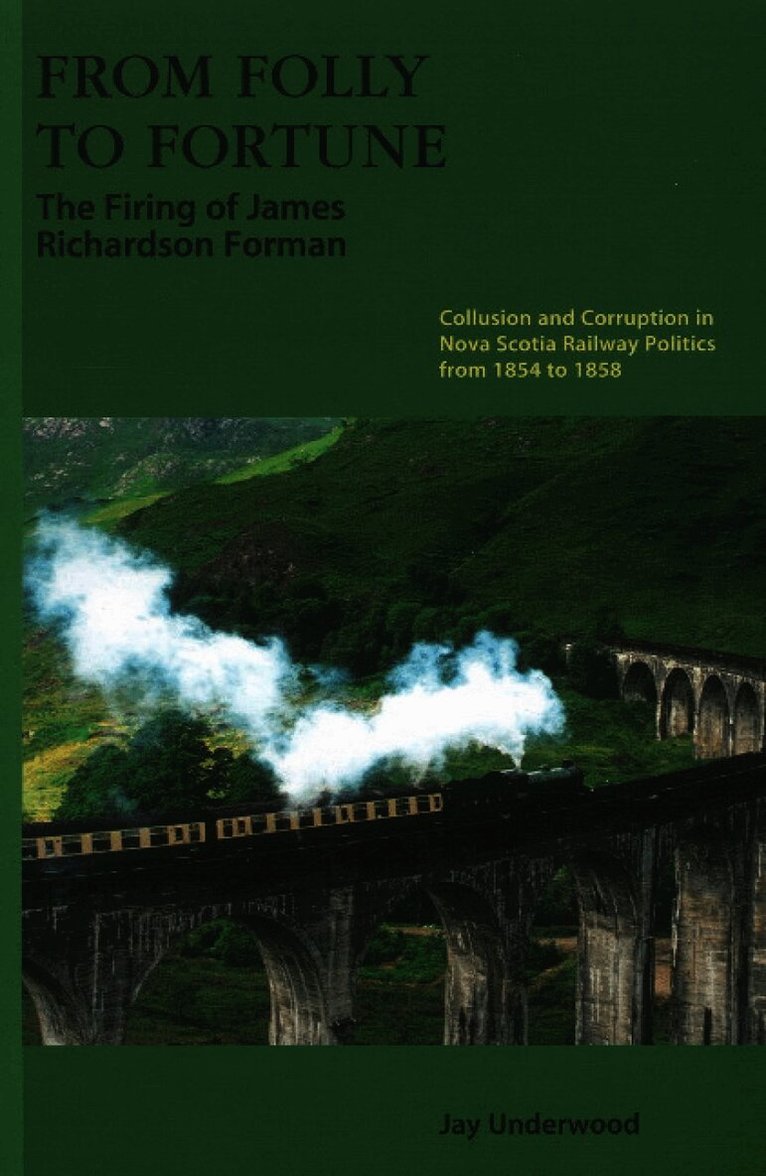
James Richardson Forman was born in 1822 at Halifax, and returned from Scotland in 1854 to oversee the construction of the Nova Scotia Railway, the first publicly owned railway in the British Empire. But did he become a victim of Nova Scotia's venal politics? He had been appointed to his post at the request of Reformer Joseph Howe, but was dismissed from office in 1858 by James W. Johnston, who became Conservative premier of the province in 1857. Two years after he left for a brilliant career in Scotland, it was discovered that most of the reasons for his dismissal were the fault of his second-in-command, who was also Johnston's nephew! The book examines the unfair treatment Forman received at the hands of his Nova Scotia countrymen, and asks the question if it could have been Forman, and not Sandford Fleming, who would later (in 1867 to 1876) have built Canada's Intercolonial Railway from Nova Scotia to Quebec City, had he been allowed to stay on the project.