Jean Daudelin – författare
Visar alla böcker från författaren Jean Daudelin. Handla med fri frakt och snabb leverans.
11 produkter
Beyond Mexico
Av Edgar J. Dosman, Jean Daudelin
E-bok, 1995
1072 kr
Lägg i varukorg
As a result of the North American Free Trade Agreement Canada''s relations with Mexico and Latin America have reached a turning point both politically and economically. Beyond Mexico is a timely assessment of the dynamic state and the prospects of Canada''s relations with Latin America. Every day, …
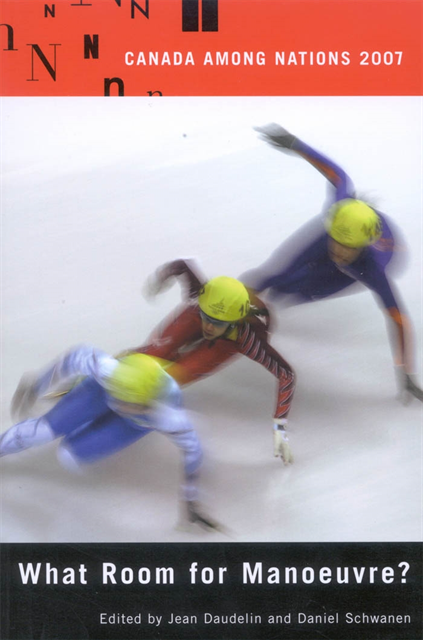
Canada Among Nations, 2007
What Room for Manoeuvre?
Av Daniel Schwanen, Jean Daudelin
E-bok, 2008
1041 kr
Lägg i varukorg
In Canada Among Nations, 2007 a team of specialists explores the space that Canada currently occupies in the global policy landscape and considers the bureaucratic players who manage this "occupation." Looking at trade, the environment, development, defence, intellectual property rights, and, the …
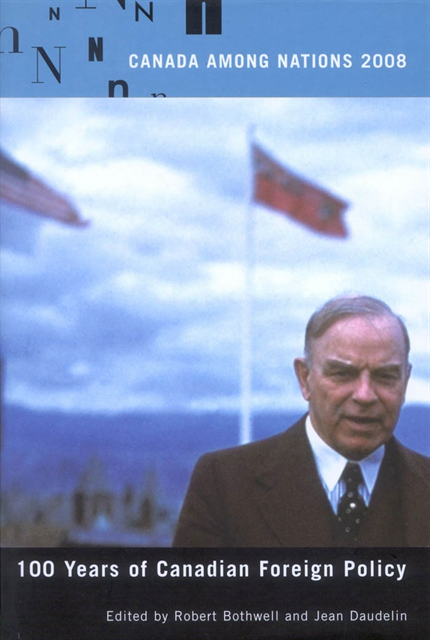
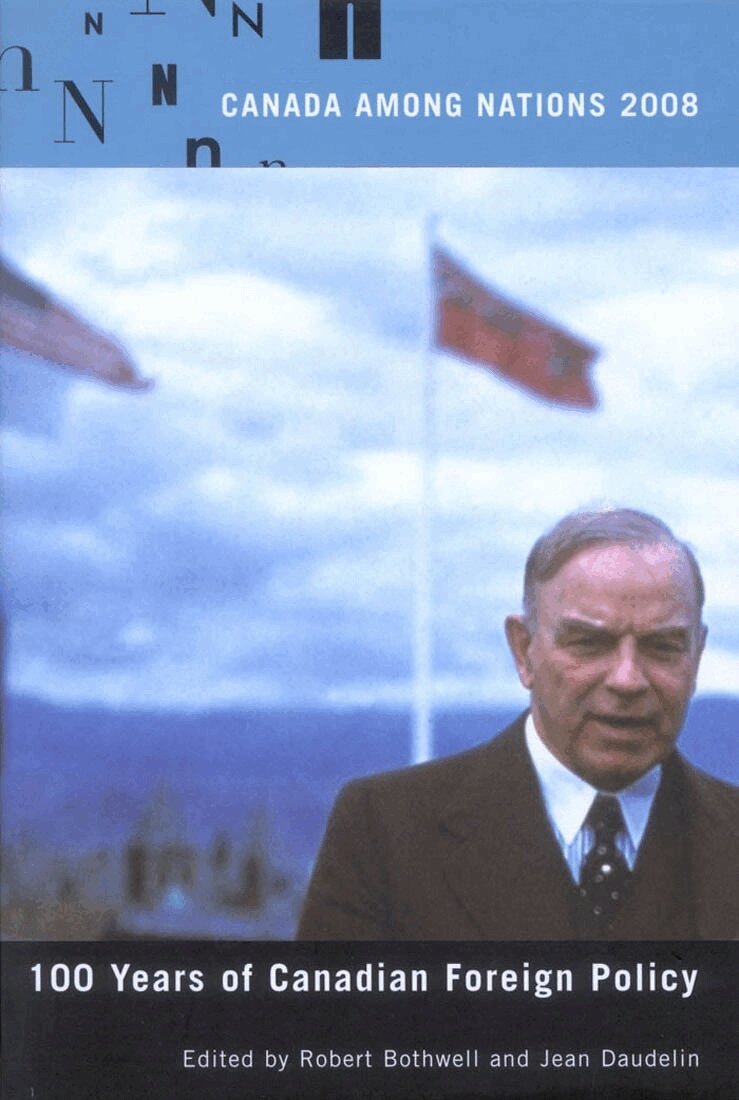
Canada Among Nations, 2008
100 Years of Canadian Foreign Policy
Av Jean Daudelin, Robert Bothwell
E-bok, 2010
1008 kr
Lägg i varukorg
The editors take a critical look at the now almost mainstream "declinist" thesis and at the continued relevance of Canada''s relationships with its principal allies - the United Kingdom, France, and the United States. Contributors discuss a broad range of themes, including the weight of a changing …
Canada Among Nations, 2007
What Room for Manoeuvre?
Av Daniel Schwanen, Jean Daudelin
E-bok, 2009
1041 kr
Lägg i varukorg
In Canada Among Nations, 2007 a team of specialists explores the space that Canada currently occupies in the global policy landscape and considers the bureaucratic players who manage this "occupation." Looking at trade, the environment, development, defence, intellectual property rights, and, the …
Southern Powers and Global Dis/Order
Canada Among Nations 2025
Av Lama Alsafi, Jean Daudelin m. fl.
Inbunden, 2027
1460 kr
Kommande
The world order is breaking down. Global multilateral institutions are under attack from the United States, but their legitimacy and relevance have been shaky for a while. In the midst of this global disorder, a reconfiguration is underway, driven in large part by the interests, priorities, and …
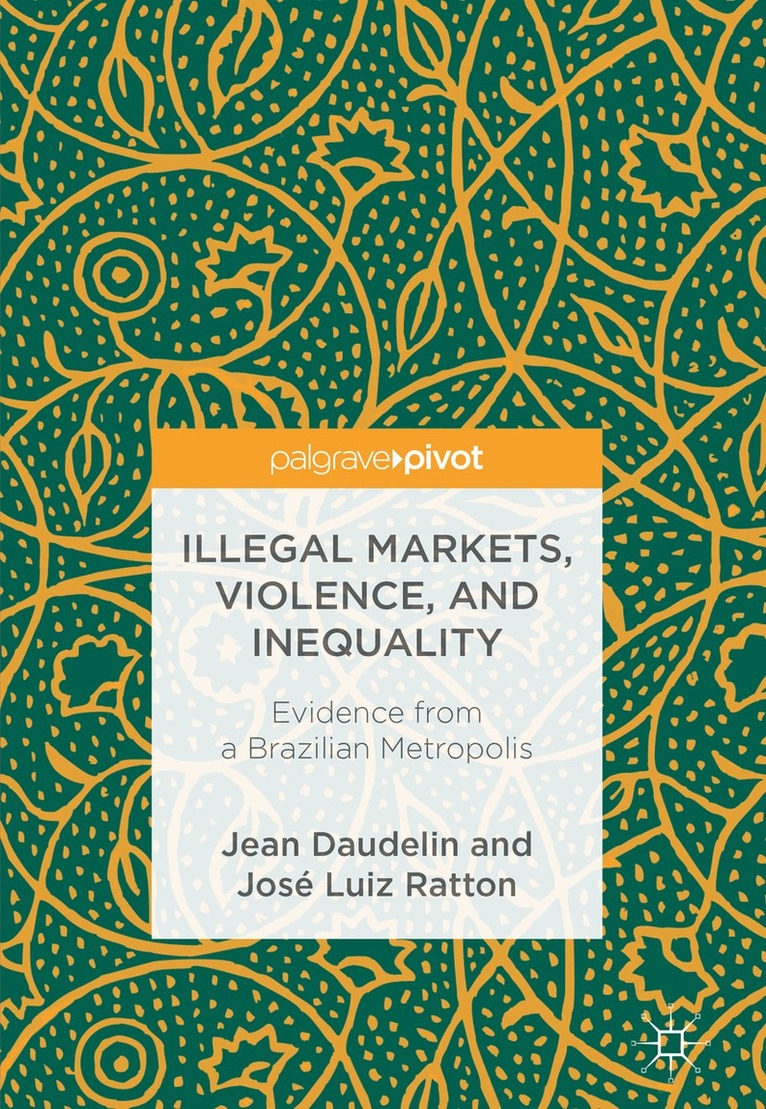
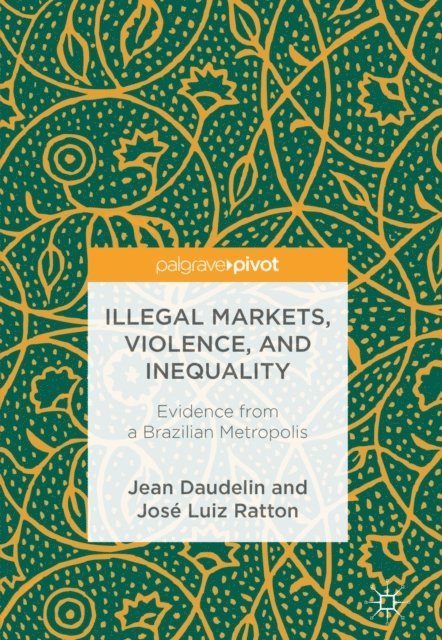
Illegal Markets, Violence, and Inequality
Evidence from a Brazilian Metropolis
Av Jean Daudelin, José Luiz Ratton
Inbunden, 2018
557 kr
Lägg i varukorg
This book challenges the quasi-consensus that Latin American countries dominate global homicide rankings mainly due to the illegal nature of drug production and trafficking. Building on US scholarship that looks at the role of social exclusion and discriminatory policing in drug violence, the …
Illegal Markets, Violence, and Inequality
Evidence from a Brazilian Metropolis
Av Jose Luiz Ratton, Jean Daudelin
E-bok, 2018
815 kr
Lägg i varukorg
This book challenges the quasi-consensus that Latin American countries dominate global homicide rankings mainly due to the illegal nature of drug production and trafficking. Building on US scholarship that looks at the role of social exclusion and discriminatory policing in drug violence, the …
Canada Among Nations, 2007
What Room for Manoeuvre?
Av Jean Daudelin, Daniel Schwanen
Häftad, 2008
453 kr
Tillfälligt slut
How much space is left for Canada in the world, and who is claiming it?
Canada Among Nations, 2008
100 Years of Canadian Foreign Policy
Av Robert Bothwell, Jean Daudelin
Häftad, 2009
412 kr
Tillfälligt slut
A look back at a century of Canada's engagement with the world.
Beyond Mexico
Av Jean Daudelin, Edgar J. Dosman
Inbunden, 1995
1402 kr
Tillfälligt slut
As a result of the North American Free Trade Agreement Canada's relations with Mexico and Latin America have reached a turning point both politically and economically. Beyond Mexico is a timely assessment of the dynamic state and the prospects of Canada's relations with Latin America. Every day, …
Beyond Mexico
Av Jean Daudelin, Edgar J. Dosman
Häftad, 1995
356 kr
Tillfälligt slut
As a result of the North American Free Trade Agreement Canada's relations with Mexico and Latin America have reached a turning point both politically and economically. Beyond Mexico is a timely assessment of the dynamic state and the prospects of Canada's relations with Latin America. Every day, …