Jeanette Favrot Peterson - Böcker
Visar alla böcker från författaren Jeanette Favrot Peterson. Handla med fri frakt och snabb leverans.
3 produkter
3 produkter
656 kr
Skickas inom 7-10 vardagar
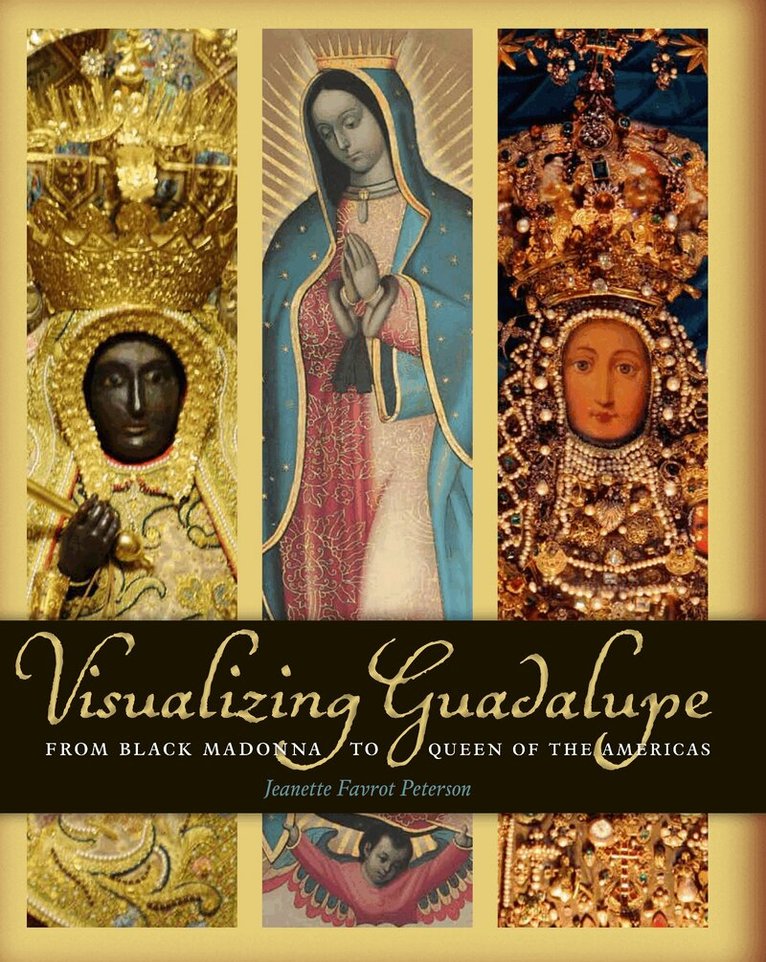
The Virgin of Guadalupe is famously migratory, traversing continents and crossing and recrossing oceans. Guadalupe’s earliest cult originated in medieval Iberia, where Our Lady of Guadalupe from Extremadura, Spain, played a significant role in the reconquista and garnered royal backing. The Spanish Guadalupe accompanied the conquistadors as part of the spiritual arsenal used to Christianize the Americas, where new images of the Virgin acted as catalysts to implant her devotion within multiethnic constituencies.This masterful study by Jeanette Favrot Peterson traces the transmission of Guadalupe as la Virgen de ida y vuelta from Spain to the Americas and back again, analyzing how the Spanish and Mexican titular images, and a selection of the copies they inspired, operated within the overlapping spheres of religion and politics. Peterson explores two central paradoxes: that only through a material object can a divine and invisible presence be authenticated and that Guadalupe’s images were made to work for enacting revolutionary change while preserving the colonial status quo. She examines the artists who created images of Guadalupe, their patrons, and the diverse viewing audiences for whom those images were intended. This exegesis reveals that visual evidence functioned on a par with written texts (treatises, chronicles, and sermons of ecclesiastical officialdom) in measuring popular beliefs and political strategies.
Paradise Garden Murals of Malinalco
Utopia and Empire in Sixteenth-Century Mexico
Häftad, Engelska, 1993
377 kr
Skickas inom 10-15 vardagar
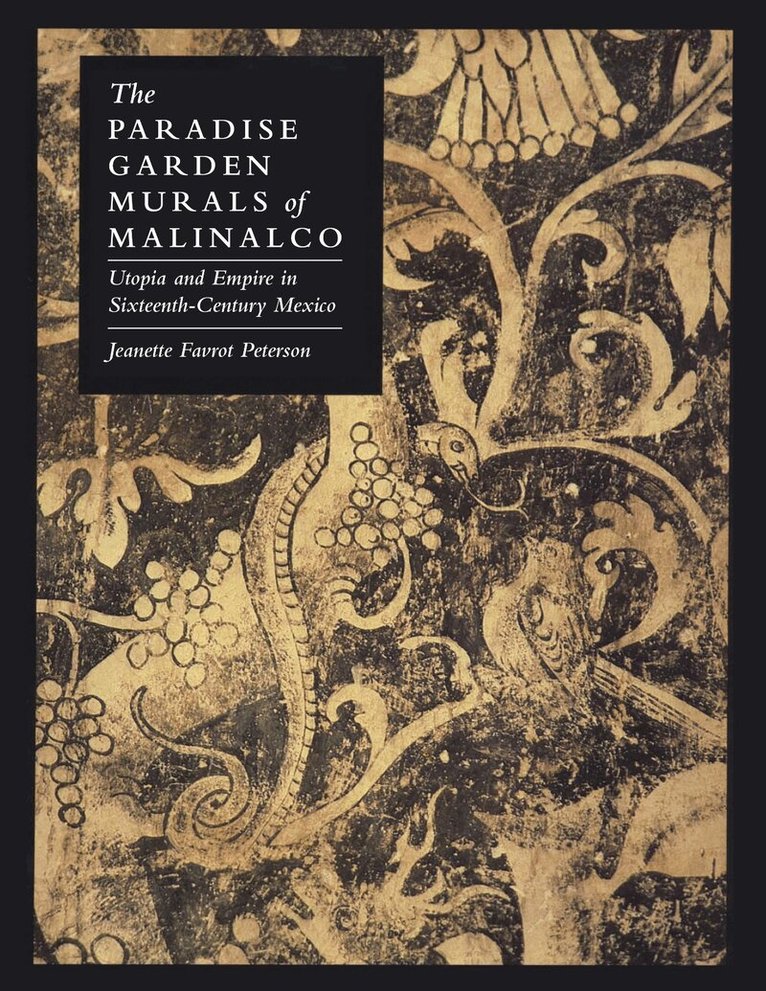
Winner, Charles Rufus Morey Award, 1993The valley of Malinalco, Mexico, long renowned for its monolithic Aztec temples, is a microcosm of the historical changes that occurred in the centuries preceding and following the Spanish conquest in the sixteenth century. In particular, the garden frescoes uncovered in 1974 at the Augustinian monastery of Malinalco document the collision of the European search for Utopia with the reality of colonial life.In this study, Jeanette F. Peterson examines the murals within the dual heritage of pre-Hispanic and European muralism to reveal how the wall paintings promoted the political and religious agendas of the Spanish conquerors while preserving a record of pre-Columbian rituals and imagery. She finds that the utopian themes portrayed at Malinalco and other Augustinian monasteries were integrated into a religious and political ideology that, in part, camouflaged the harsh realities of colonial policies toward the native population.That the murals were ultimately whitewashed at the end of the sixteenth century suggests that the "spiritual conquest" failed. Peterson argues that the incorporation of native features ultimately worked to undermine the orthodoxy of the Christian message. She places the murals' imagery within the pre-Columbian tlacuilo (scribe-painter) tradition, traces a "SahagÚn connection" between the Malinalco muralists and the native artists working at the Franciscan school of Tlatelolco, and explores mural painting as an artistic response to acculturation.The book is beautifully illustrated with 137 black-and-white figures, including photographs and line drawings. For everyone interested in the encounter between European and Native American cultures, it will be essential reading.
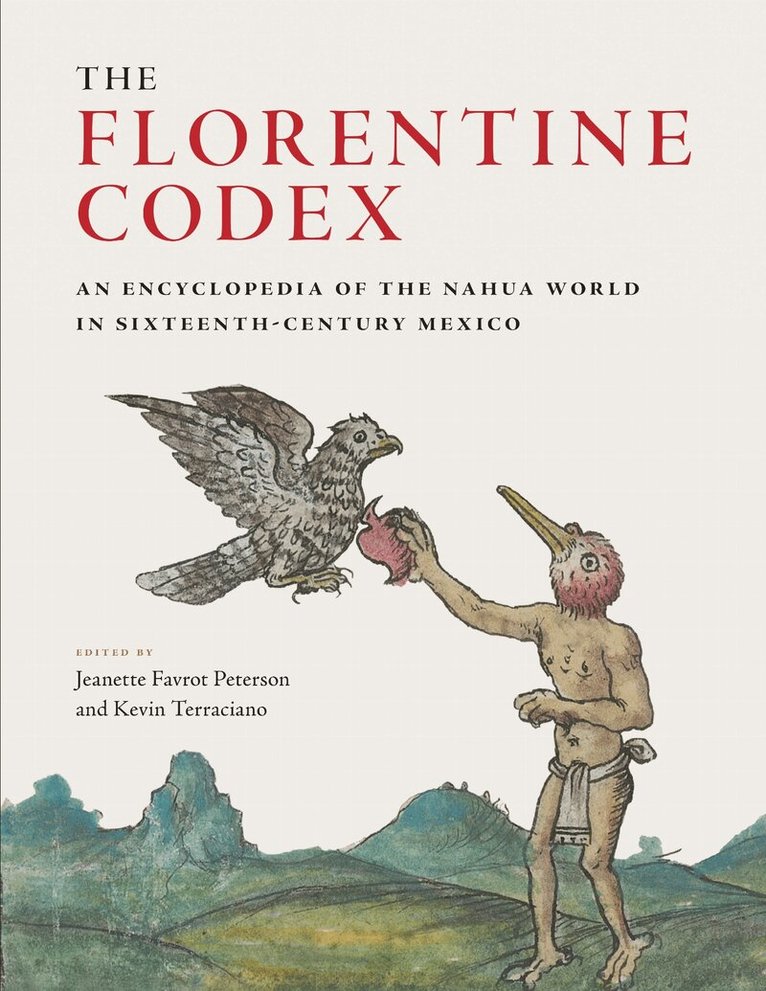
Florentine Codex
An Encyclopedia of the Nahua World in Sixteenth-Century Mexico
Inbunden, Engelska, 2019
602 kr
Skickas inom 7-10 vardagar
Honorable Mention, 2021 LASA Mexico Humanities Book Prize, Latin American Studies Association, Mexico SectionIn the sixteenth century, the Franciscan friar Bernardino de SahagÚn and a team of indigenous grammarians, scribes, and painters completed decades of work on an extraordinary encyclopedic project titled General History of the Things of New Spain, known as the Florentine Codex (1575–1577). Now housed in the Biblioteca Medicea Laurenziana in Florence and bound in three lavishly illustrated volumes, the codex is a remarkable product of cultural exchange in the early Americas.In this edited volume, experts from multiple disciplines analyze the manuscript’s bilingual texts and more than 2,000 painted images and offer fascinating, new insights on its twelve books. The contributors examine the “three texts” of the codex-the original Nahuatl, its translation into Spanish, and its painted images. Together, these constitute complementary, as well as conflicting, voices of an extended dialogue that occurred in and around Mexico City. The volume chapters address a range of subjects, from Nahua sacred beliefs, moral discourse, and natural history to the Florentine artists’ models and the manuscript’s reception in Europe. The Florentine Codex ultimately yields new perspectives on the Nahua world several decades after the fall of the Aztec empire.