Jędrzej Skrzypczak – författare
Visar alla böcker från författaren Jędrzej Skrzypczak. Handla med fri frakt och snabb leverans.
8 produkter
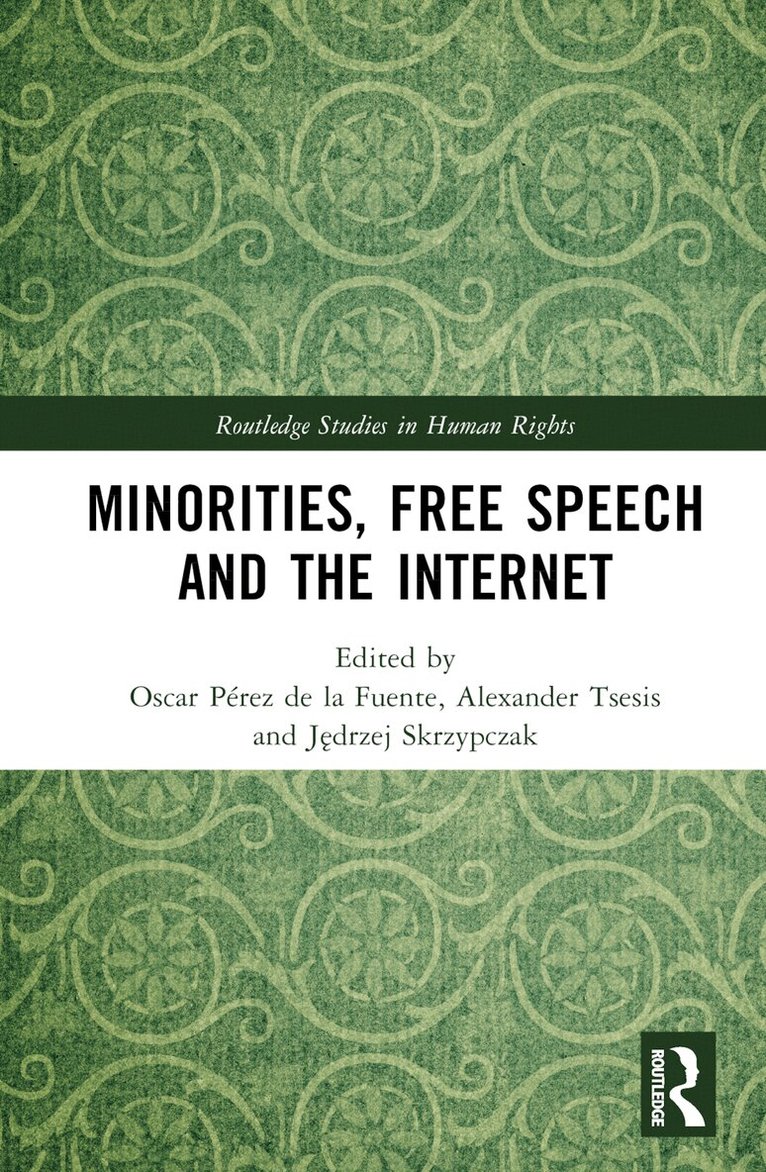
Minorities, Free Speech and the Internet
Av Oscar Pérez de la Fuente, Alexander Tsesis m. fl.
Inbunden, 2023
2126 kr
Lägg i varukorg
Minorities, Free Speech and the Internet explores the regulation of free speech online and offline.Views are divided as to how much regulation of the Internet is appropriate. Some argue that it should be an unregulated space for free content. On the other hand, in many democracies, online hate …
Minorities, Free Speech and the Internet
Av Oscar Pérez de la Fuente, Alexander Tsesis m. fl.
Häftad, 2024
646 kr
Lägg i varukorg
Minorities, Free Speech and the Internet explores the regulation of free speech online and offline.Views are divided as to how much regulation of the Internet is appropriate. Some argue that it should be an unregulated space for free content. On the other hand, in many democracies, online hate …
Lessons for Implementing Human Rights from COVID-19
How the Pandemic Has Changed the World
Av Jędrzej Skrzypczak, Oscar Pérez de la Fuente
Inbunden, 2024
2504 kr
Lägg i varukorg
This book explores the effect of the pandemic on human rights; civil and political rights (CPR); economic, social, and cultural rights (ESCR); and freedoms around the world.The COVID-19 pandemic radically changed many aspects of the lives of individuals and entire societies. This crisis and the …
Lessons for Implementing Human Rights from COVID-19
How the Pandemic Has Changed the World
Av Jędrzej Skrzypczak, Oscar Pérez de la Fuente
Häftad, 2025
647 kr
Lägg i varukorg
This book explores the effect of the pandemic on human rights; civil and political rights (CPR); economic, social, and cultural rights (ESCR); and freedoms around the world.The COVID-19 pandemic radically changed many aspects of the lives of individuals and entire societies. This crisis and the …
Lessons for Implementing Human Rights from COVID-19
How the Pandemic Has Changed the World
Av Oscar Perez de la Fuente, Jedrzej Skrzypczak
E-bok, 2024
765 kr
Lägg i varukorg
This book explores the effect of the pandemic on human rights; civil and political rights (CPR); economic, social, and cultural rights (ESCR); and freedoms around the world. The COVID-19 pandemic radically changed many aspects of the lives of individuals and entire societies. This crisis and the …
Lessons for Implementing Human Rights from COVID-19
How the Pandemic Has Changed the World
Av Oscar Perez de la Fuente, Jedrzej Skrzypczak
E-bok, 2024
765 kr
Lägg i varukorg
This book explores the effect of the pandemic on human rights; civil and political rights (CPR); economic, social, and cultural rights (ESCR); and freedoms around the world. The COVID-19 pandemic radically changed many aspects of the lives of individuals and entire societies. This crisis and the …
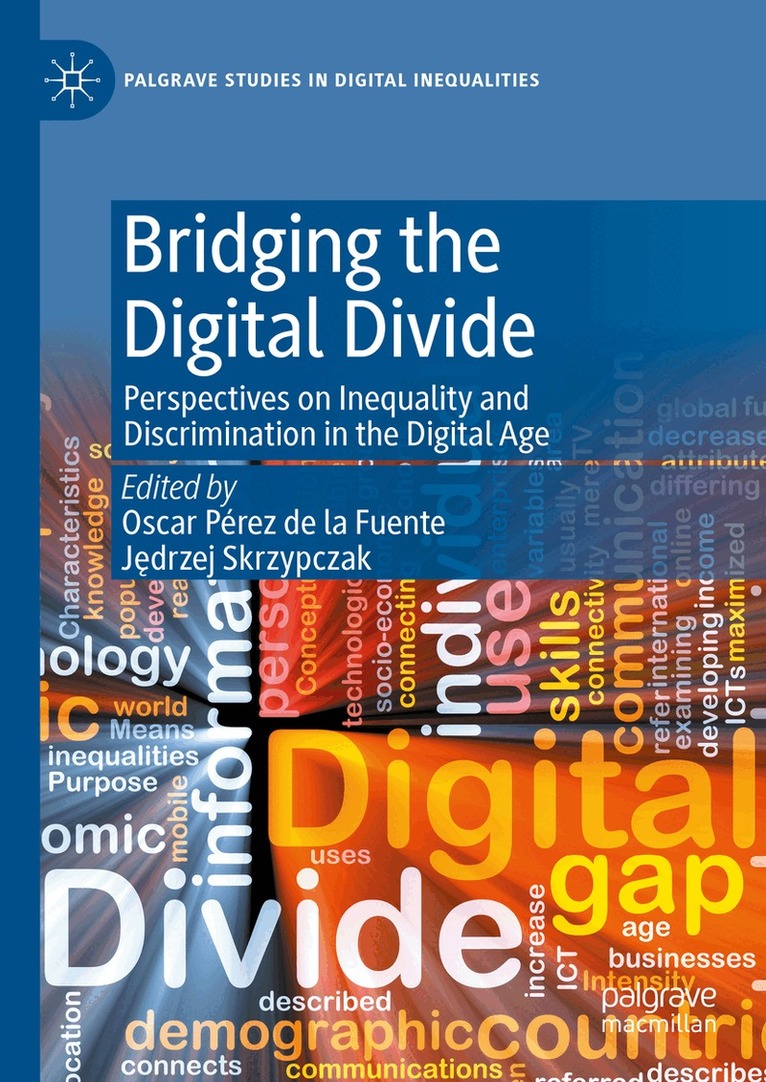
Bridging the Digital Divide
Perspectives on Inequality and Discrimination in the Digital Age
Av Oscar Pérez de la Fuente, Jędrzej Skrzypczak
Inbunden, 2025
1530 kr
Lägg i varukorg
The digital revolution has sparked a new wave of inequality, particularly in access to technology and its benefits. Understanding these disparities is vital for grasping their impact on contemporary society. One manifestation is through artificial intelligence, algorithms, and misinformation. …
Bridging the Digital Divide
Perspectives on Inequality and Discrimination in the Digital Age
Av Jedrzej Skrzypczak, Oscar Perez de la Fuente
E-bok, 2025
1948 kr
Lägg i varukorg
The digital revolution has sparked a new wave of inequality, particularly in access to technology and its benefits. Understanding these disparities is vital for grasping their impact on contemporary society. One manifestation is through artificial intelligence, algorithms, and misinformation. …