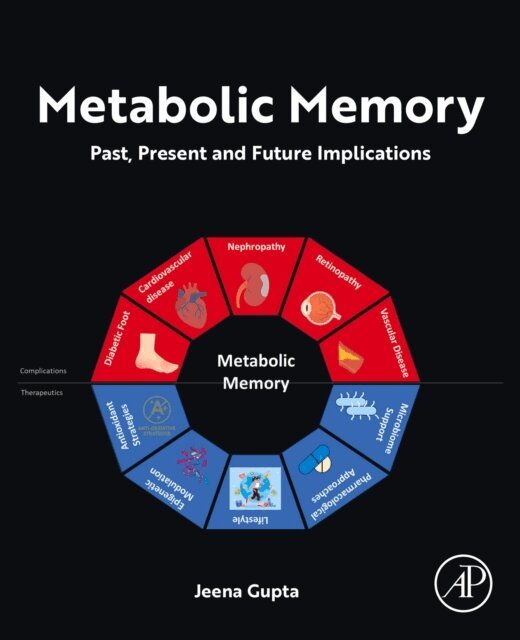
Metabolic Memory: Past, Present and Future Implications delves into the emerging concept of metabolic memory, exploring how our body's metabolic processes retain a 'memory' of past experiences and how this impacts our current and future health. Drawing on the latest scientific research this book aims to bridge the gap between complex scientific concepts and their practical implications for everyday health and wellness. Metabolic memory has profound implications for understanding chronic diseases, particularly diabetes, cardiovascular diseases, and obesity. Despite its significance, there is a lack of comprehensive resource that make this information accessible to both professionals and the general public. This book fills that gap, providing a detailed yet understandable exploration of how past metabolic states influence present and future health outcomes. Explores how metabolic memory contributes to chronic diseases like diabetes and obesity, offering insights into their persistence despite treatmentPresents research and case studies from various populations, highlighting how metabolic memory impacts different ethnicities, genders, and age groupsExamines how metabolic memory affects chronic diseases in marginalized communities, emphasizing the need for equitable health strategies
Metabolic Memory: Past, Present and Future Implications delves into the emerging concept of metabolic memory, exploring how our body's metabolic processes retain a 'memory' of past experiences and how this impacts our current and future health. Drawing on the latest scientific research this book aims to bridge the gap between complex scientific concepts and their practical implications for everyday health and wellness. Metabolic memory has profound implications for understanding chronic diseases, particularly diabetes, cardiovascular diseases, and obesity. Despite its significance, there is a lack of comprehensive resource that make this information accessible to both professionals and the general public. This book fills that gap, providing a detailed yet understandable exploration of how past metabolic states influence present and future health outcomes. - Explores how metabolic memory contributes to chronic diseases like diabetes and obesity, offering insights into their persistence despite treatment- Presents research and case studies from various populations, highlighting how metabolic memory impacts different ethnicities, genders, and age groups- Examines how metabolic memory affects chronic diseases in marginalized communities, emphasizing the need for equitable health strategies
Microbiome-Modulating Strategies in Diabetic Wound Healing provides researchers with an in-depth analysis of the wound microbiome’s role in diabetic foot ulcers and chronic wound pathology. This reference elucidates microbial dysbiosis, biofilm formation, and host-microbe interactions that exacerbate impaired healing in diabetic patients. It critically evaluates emerging microbiome-targeted interventions-including probiotics, bacteriophages, antimicrobial peptides, and nanotechnology-enabled drug delivery-supported by the latest molecular, microbiological, and clinical research. The book integrates advanced diagnostic methodologies such as next-generation sequencing and bioinformatics to facilitate precise microbial profiling and personalized therapeutic design. By bridging mechanistic insights with translational and clinical evidence, this resource equips diabetic researchers with comprehensive knowledge to innovate and optimize microbiome-based strategies, ultimately aiming to reduce infection rates, combat antibiotic resistance, and improve regenerative outcomes in diabetic wound management.Provides a detailed exploration of probiotics, prebiotics, phage therapy, antimicrobial peptides, and nanotechnology-driven interventions tailored for diabetic woundsPresents an interdisciplinary approach to appeal to both laboratory researchers and clinicians by combining molecular biology, microbiology, immunology, and clinical wound management perspectiveIncludes advanced microbiome profiling techniques, including next-generation sequencing and bioinformatics, to inform therapy design
Metabolic Memory: Past, Present and Future Implications delves into the emerging concept of metabolic memory, exploring how our body's metabolic processes retain a 'memory' of past experiences and how this impacts our current and future health. Drawing on the latest scientific research this book aims to bridge the gap between complex scientific concepts and their practical implications for everyday health and wellness. Metabolic memory has profound implications for understanding chronic diseases, particularly diabetes, cardiovascular diseases, and obesity. Despite its significance, there is a lack of comprehensive resource that make this information accessible to both professionals and the general public. This book fills that gap, providing a detailed yet understandable exploration of how past metabolic states influence present and future health outcomes. Explores how metabolic memory contributes to chronic diseases like diabetes and obesity, offering insights into their persistence despite treatmentPresents research and case studies from various populations, highlighting how metabolic memory impacts different ethnicities, genders, and age groupsExamines how metabolic memory affects chronic diseases in marginalized communities, emphasizing the need for equitable health strategies
Metabolic Memory: Past, Present and Future Implications delves into the emerging concept of metabolic memory, exploring how our body's metabolic processes retain a 'memory' of past experiences and how this impacts our current and future health. Drawing on the latest scientific research this book aims to bridge the gap between complex scientific concepts and their practical implications for everyday health and wellness. Metabolic memory has profound implications for understanding chronic diseases, particularly diabetes, cardiovascular diseases, and obesity. Despite its significance, there is a lack of comprehensive resource that make this information accessible to both professionals and the general public. This book fills that gap, providing a detailed yet understandable exploration of how past metabolic states influence present and future health outcomes. - Explores how metabolic memory contributes to chronic diseases like diabetes and obesity, offering insights into their persistence despite treatment- Presents research and case studies from various populations, highlighting how metabolic memory impacts different ethnicities, genders, and age groups- Examines how metabolic memory affects chronic diseases in marginalized communities, emphasizing the need for equitable health strategies
Microbiome-Modulating Strategies in Diabetic Wound Healing provides researchers with an in-depth analysis of the wound microbiome’s role in diabetic foot ulcers and chronic wound pathology. This reference elucidates microbial dysbiosis, biofilm formation, and host-microbe interactions that exacerbate impaired healing in diabetic patients. It critically evaluates emerging microbiome-targeted interventions-including probiotics, bacteriophages, antimicrobial peptides, and nanotechnology-enabled drug delivery-supported by the latest molecular, microbiological, and clinical research. The book integrates advanced diagnostic methodologies such as next-generation sequencing and bioinformatics to facilitate precise microbial profiling and personalized therapeutic design. By bridging mechanistic insights with translational and clinical evidence, this resource equips diabetic researchers with comprehensive knowledge to innovate and optimize microbiome-based strategies, ultimately aiming to reduce infection rates, combat antibiotic resistance, and improve regenerative outcomes in diabetic wound management.Provides a detailed exploration of probiotics, prebiotics, phage therapy, antimicrobial peptides, and nanotechnology-driven interventions tailored for diabetic woundsPresents an interdisciplinary approach to appeal to both laboratory researchers and clinicians by combining molecular biology, microbiology, immunology, and clinical wound management perspectiveIncludes advanced microbiome profiling techniques, including next-generation sequencing and bioinformatics, to inform therapy design