Jeevan R. Sharma – författare
Visar alla böcker från författaren Jeevan R. Sharma. Handla med fri frakt och snabb leverans.
4 produkter
4 produkter
Inbunden, Engelska, 2018
793 kr
Skickas inom 5-8 vardagar
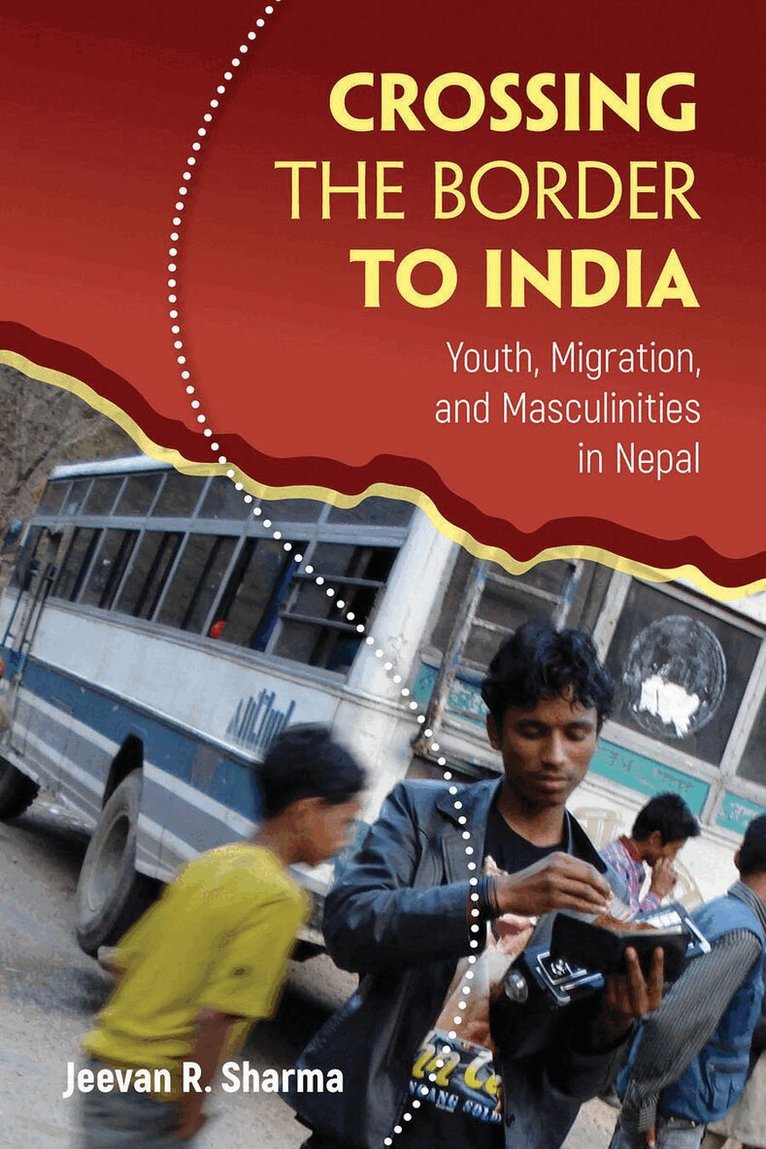
Given the limited economic opportunities in rural Nepal, the desire of young men of all income and education levels, castes and ethnicities to migrate has never been higher. Crossing the Border to India provides an ethnography of male labor migration from the western hills of Nepal to Indian cities. Jeevan Sharma shows how a migrant’s livelihood and gender, as well as structural violence impacts his perceptions, experiences, and aspirations. Based on long-term fieldwork, Sharma captures the actual experiences of crossing the border. He shows that Nepali migration to India does not just allow young men from poorer backgrounds to “save there and eat here,” but also offers a strategy to escape the more regimented social order of the village. Additionally, migrants may benefit from the opportunities offered by the “open-border” between India and Nepal to attain independence and experience a distant world. However, Nepali migrants are subjected to high levels of ill treatment. Thus, while the idea of freedom remains extremely important in Nepali men’s migration decisions, their actual experience is often met with unfreedom and suffering.
Häftad, Engelska, 2024
189 kr
Skickas inom 5-8 vardagar
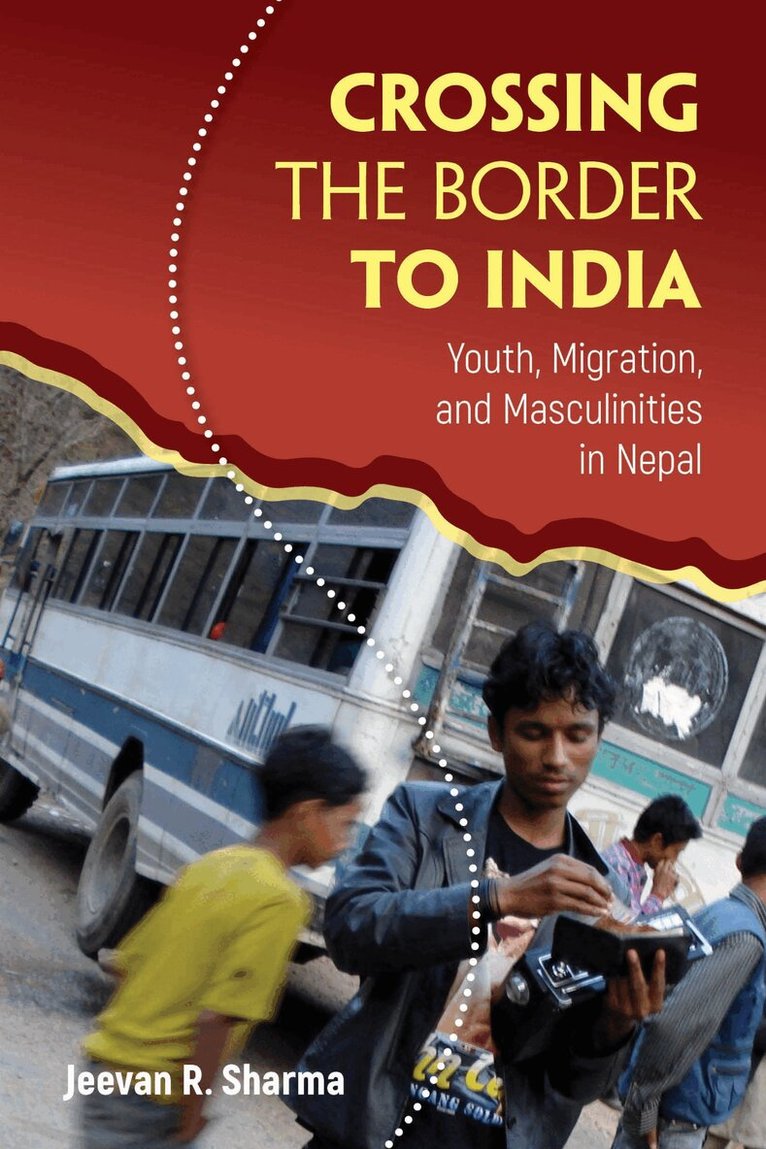
Given the limited economic opportunities in rural Nepal, the desire of young men of all income and education levels, castes and ethnicities to migrate has never been higher. Crossing the Border to India provides an ethnography of male labor migration from the western hills of Nepal to Indian cities. Jeevan Sharma shows how a migrant’s livelihood and gender, as well as structural violence impacts his perceptions, experiences, and aspirations. Based on long-term fieldwork, Sharma captures the actual experiences of crossing the border. He shows that Nepali migration to India does not just allow young men from poorer backgrounds to “save there and eat here,” but also offers a strategy to escape the more regimented social order of the village. Additionally, migrants may benefit from the opportunities offered by the “open-border” between India and Nepal to attain independence and experience a distant world. However, Nepali migrants are subjected to high levels of ill treatment. Thus, while the idea of freedom remains extremely important in Nepali men’s migration decisions, their actual experience is often met with unfreedom and suffering.
E-bok
Engelska, 20211 241 kr
Läs direkt efter köp
Political Economy of Social Change and Development in Nepal is an accessible contemporary political economic analysis of social change in Nepal. It considers whether and how Nepal''s political economy might have been transformed since the 1950s while situating these changes in Nepal''s modern history and its location in the global economic system. It assembles and builds on the scholarship on Nepal from a multidisciplinary and synoptic perspective. Focusing on localdiscourses, experiences and expectations of transformations, it draws our attention to how powerful historical processes are experienced and negotiated in Nepal and assess how these may, at the same time, produce ideas of equality, human rights and citizenship while also generating new forms of precarity.
E-bok
PDF, Engelska, 20211 286 kr
Läs direkt efter köp
Political Economy of Social Change and Development in Nepal is an accessible contemporary political economic analysis of social change in Nepal. It considers whether and how Nepal''s political economy might have been transformed since the 1950s while situating these changes in Nepal''s modern history and its location in the global economic system. It assembles and builds on the scholarship on Nepal from a multidisciplinary and synoptic perspective. Focusing on localdiscourses, experiences and expectations of transformations, it draws our attention to how powerful historical processes are experienced and negotiated in Nepal and assess how these may, at the same time, produce ideas of equality, human rights and citizenship while also generating new forms of precarity.