866 kr
Skickas inom 10-15 vardagar
866 kr
Skickas inom 10-15 vardagar
1 368 kr
Skickas inom 10-15 vardagar
174 kr
Skickas inom 5-8 vardagar
1 017 kr
Läs direkt efter köp
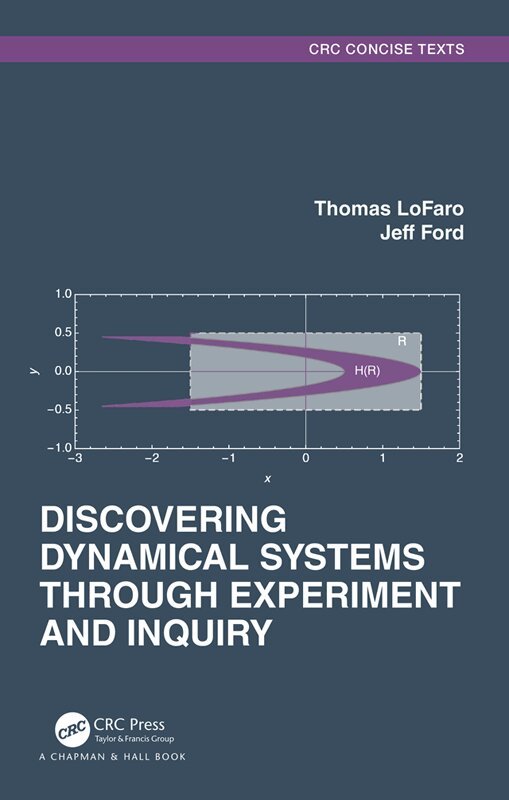
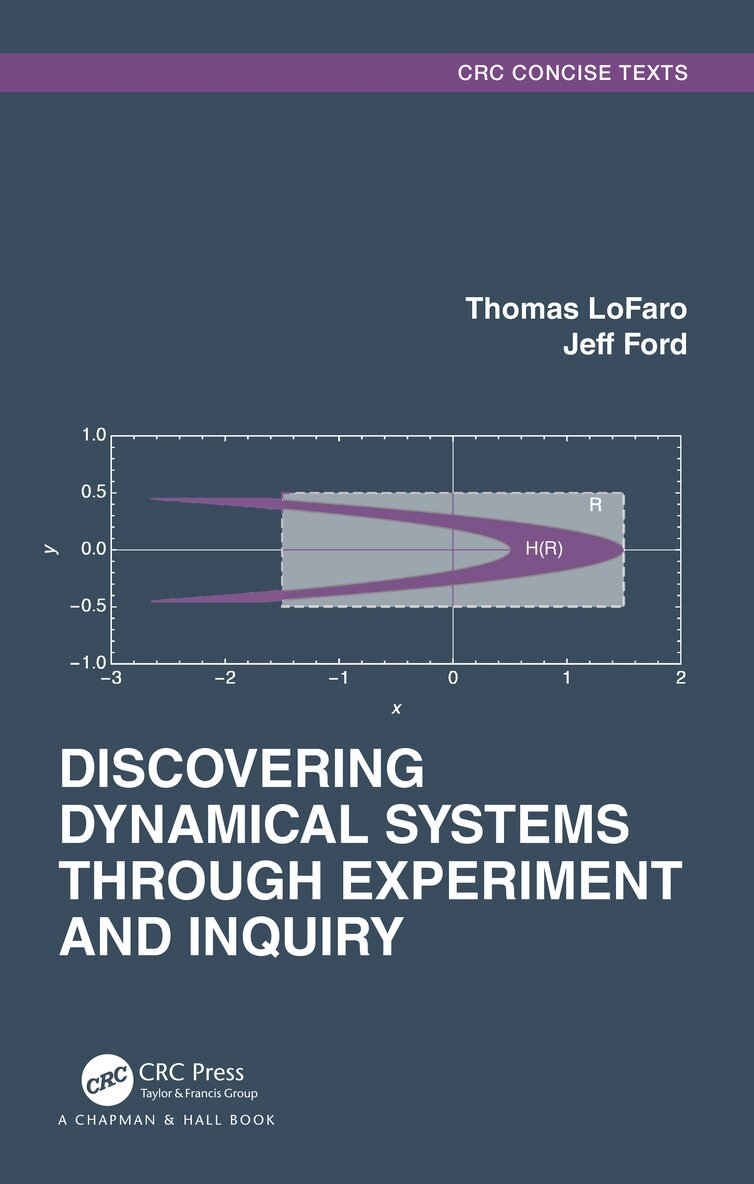
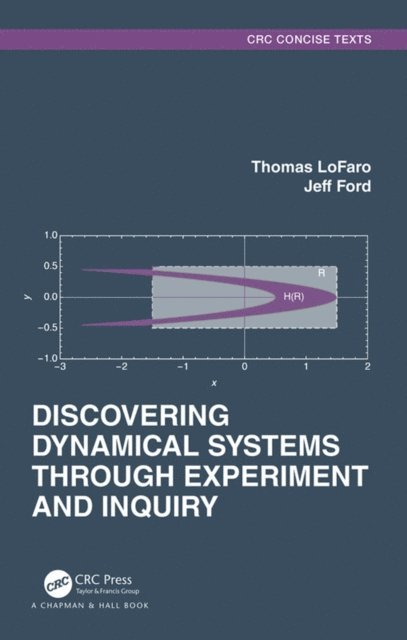
Discovering Dynamical Systems Through Experiment and Inquiry differs from most texts on dynamical systems by blending the use of computer simulations with inquiry-based learning (IBL). IBL is an excellent tool to move students from merely remembering the material to deeper understanding and analysis. This method relies on asking students questions first, rather than presenting the material in a lecture.
Another unique feature of this book is the use of computer simulations. Students can discover examples and counterexamples through manipulations built into the software. These tools have long been used in the study of dynamical systems to visualize chaotic behavior.
We refer to this unique approach to teaching mathematics as ECAP—Explore, Conjecture, Apply, and Prove. ECAP was developed to mimic the actual practice of mathematics in an effort to provide students with a more holistic mathematical experience. In general, each section begins with exercises guiding students through explorations of the featured concept and concludes with exercises that help the students formally prove the results.
While symbolic dynamics is a standard topic in an undergraduate dynamics text, we have tried to emphasize it in a way that is more detailed and inclusive than is typically the case. Finally, we have chosen to include multiple sections on important ideas from analysis and topology independent from their application to dynamics.
1 017 kr
Läs direkt efter köp
Discovering Dynamical Systems Through Experiment and Inquiry differs from most texts on dynamical systems by blending the use of computer simulations with inquiry-based learning (IBL). IBL is an excellent tool to move students from merely remembering the material to deeper understanding and analysis. This method relies on asking students questions first, rather than presenting the material in a lecture.
Another unique feature of this book is the use of computer simulations. Students can discover examples and counterexamples through manipulations built into the software. These tools have long been used in the study of dynamical systems to visualize chaotic behavior.
We refer to this unique approach to teaching mathematics as ECAP—Explore, Conjecture, Apply, and Prove. ECAP was developed to mimic the actual practice of mathematics in an effort to provide students with a more holistic mathematical experience. In general, each section begins with exercises guiding students through explorations of the featured concept and concludes with exercises that help the students formally prove the results.
While symbolic dynamics is a standard topic in an undergraduate dynamics text, we have tried to emphasize it in a way that is more detailed and inclusive than is typically the case. Finally, we have chosen to include multiple sections on important ideas from analysis and topology independent from their application to dynamics.
1 542 kr
Läs direkt efter köp
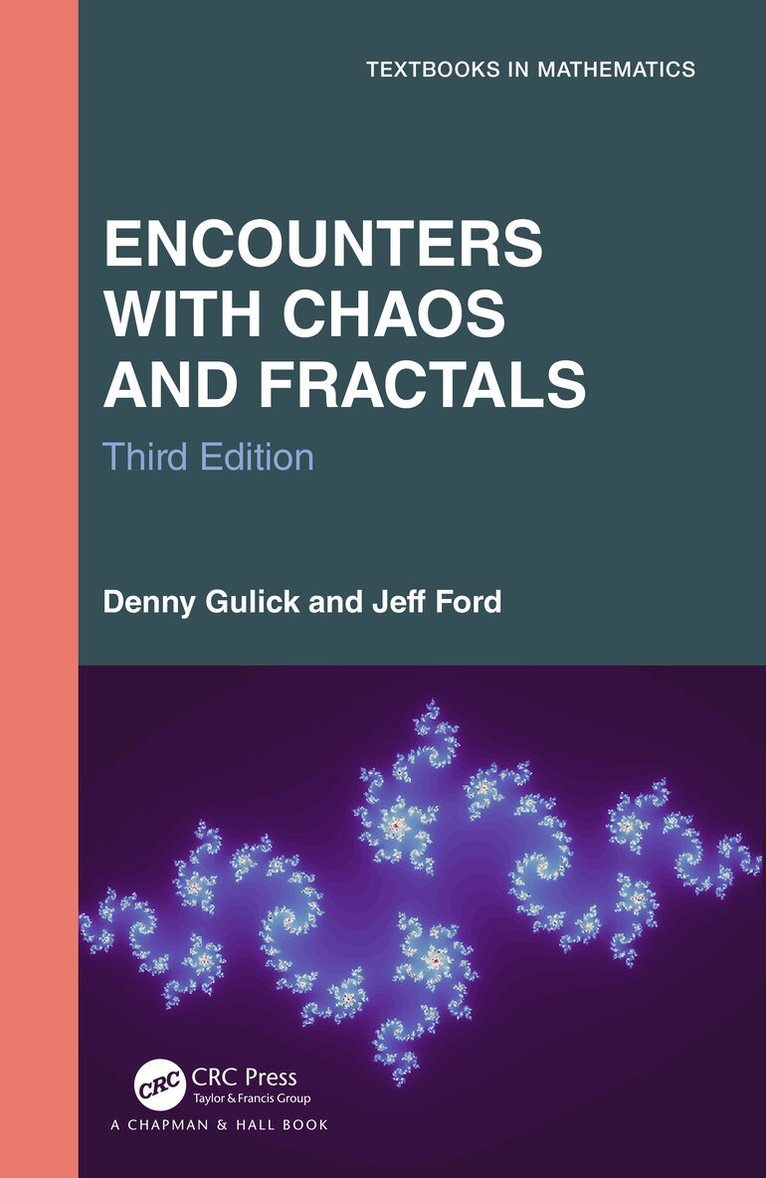
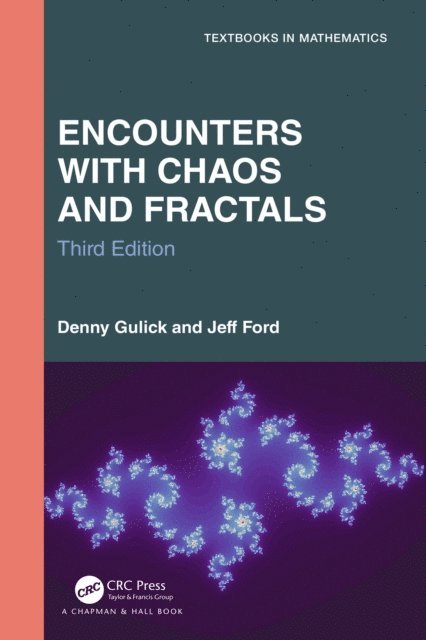
Encounters with Chaos and Fractals, Third Edition provides an accessible introduction to chaotic dynamics and fractal geometry. It incorporates important mathematical concepts and backs up the definitions and results with motivation, examples, and applications.
The third edition updates this classic book for a modern audience. New applications on contemporary topics, like data science and mathematical modeling, appear throughout. Coding activities are transitioned to open-source programming languages, including Python.
The text begins with examples of mathematical behavior exhibited by chaotic systems, first in one dimension and then in two and three dimensions. Focusing on fractal geometry, the authors introduce famous, infinitely complicated fractals. How to obtain computer renditions of them is explained. The book concludes with Julia sets and the Mandelbrot set.
The Third Edition includes:
More coding activities incorporated in each section with expanded code to include pseudo-code, with specific examples in MATLAB® (or its open-source cousin Octave) and Python Additional exercises—many updated—from previous editions Proof-writing exercises for a more theoretical course Revised sections to include historical context Short sections added to explain applied problems in developing mathematicsThis edition reveals how these ideas are continuing to be applied in the 21st century, while connecting to the long and winding history of dynamical systems. The primary focus is the beauty and diversity of these ideas. Offering more than enough material for a one-semester course, the authors show how these subjects continue to grow within mathematics and in many other disciplines.
1 542 kr
Läs direkt efter köp
Encounters with Chaos and Fractals, Third Edition provides an accessible introduction to chaotic dynamics and fractal geometry. It incorporates important mathematical concepts and backs up the definitions and results with motivation, examples, and applications.
The third edition updates this classic book for a modern audience. New applications on contemporary topics, like data science and mathematical modeling, appear throughout. Coding activities are transitioned to open-source programming languages, including Python.
The text begins with examples of mathematical behavior exhibited by chaotic systems, first in one dimension and then in two and three dimensions. Focusing on fractal geometry, the authors introduce famous, infinitely complicated fractals. How to obtain computer renditions of them is explained. The book concludes with Julia sets and the Mandelbrot set.
The Third Edition includes:
More coding activities incorporated in each section with expanded code to include pseudo-code, with specific examples in MATLAB® (or its open-source cousin Octave) and Python Additional exercises—many updated—from previous editions Proof-writing exercises for a more theoretical course Revised sections to include historical context Short sections added to explain applied problems in developing mathematicsThis edition reveals how these ideas are continuing to be applied in the 21st century, while connecting to the long and winding history of dynamical systems. The primary focus is the beauty and diversity of these ideas. Offering more than enough material for a one-semester course, the authors show how these subjects continue to grow within mathematics and in many other disciplines.
1 496 kr
Skickas inom 10-15 vardagar