Jeffrey J. Anderson - Böcker
Visar alla böcker från författaren Jeffrey J. Anderson. Handla med fri frakt och snabb leverans.
4 produkter
4 produkter
428 kr
Skickas inom 7-10 vardagar
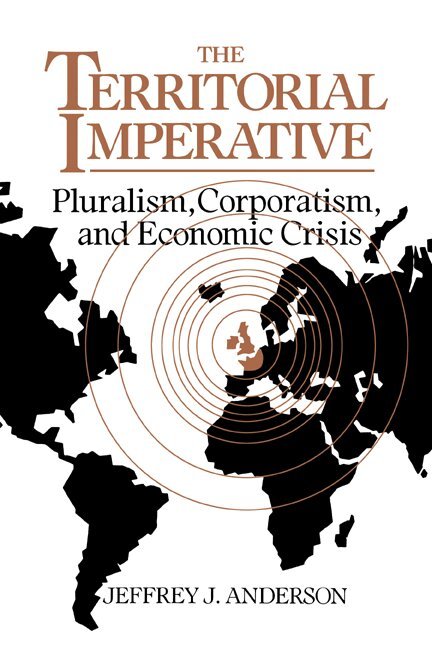
The Territorial Imperative explores an area of interest in comparative political economy - the interaction of politics and economics at the mesolevel of the polity. Noting the ubiquity of regional economic disparities within advanced industrial democracies, Jeffrey Anderson undertakes a sophisticated analysis of the complex political conflicts such disparities generate. In this study of political responses to regional crisis, the principal theoretical focus centres on the impact of constitutional orders as bona fide political institutions. On the basis of a carefully constructed comparison of four declining industrial regions within a broader cross-national comparison of unitary Britain and federal Germany, Anderson concludes that constitutional orders as institutions do in fact matter. The territorial distribution of power, encapsulated in the federal-unitary distinction of interests and resources among sub-national and national actors and on the strategies of cooperation and conflict available to them.
771 kr
Skickas inom 7-10 vardagar
The Territorial Imperative explores an area of interest in comparative political economy - the interaction of politics and economics at the mesolevel of the polity. Noting the ubiquity of regional economic disparities within advanced industrial democracies, Jeffrey Anderson undertakes a sophisticated analysis of the complex political conflicts such disparities generate. In this study of political responses to regional crisis, the principal theoretical focus centres on the impact of constitutional orders as bona fide political institutions. On the basis of a carefully constructed comparison of four declining industrial regions within a broader cross-national comparison of unitary Britain and federal Germany, Anderson concludes that constitutional orders as institutions do in fact matter. The territorial distribution of power, encapsulated in the federal-unitary distinction of interests and resources among sub-national and national actors and on the strategies of cooperation and conflict available to them.
1 529 kr
Skickas inom 10-15 vardagar
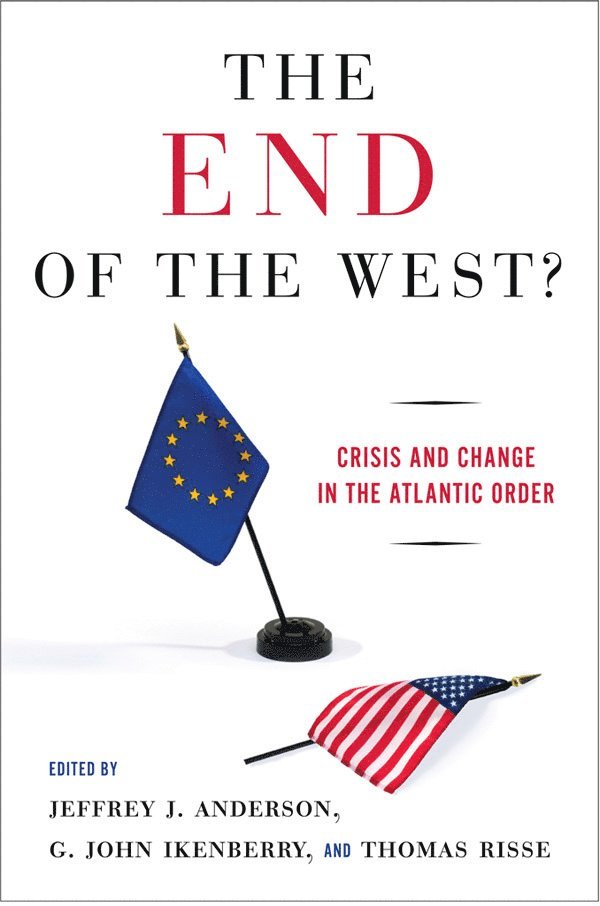
The past several years have seen strong disagreements between the U.S. government and many of its European allies, largely due to the deployment of NATO forces in Afghanistan and the commitment of national forces to the occupation of Iraq. News accounts of these challenges focus on isolated incidents and points of contention. The End of the West? addresses some basic questions: Are we witnessing a deepening transatlantic rift, with wide-ranging consequences for the future of world order? Or are today's foreign-policy disagreements the equivalent of dinner-table squabbles? What harm, if any, have recent events done to the enduring relationships between the U.S. government and its European counterparts?The contributors to this volume, whose backgrounds range from political science and history to economics, law, and sociology, examine the "deep structure" of an order that was first imposed by the Allies in 1945 and has been a central feature of world politics ever since. Creatively and insightfully blending theory and evidence, the chapters in The End of the West? examine core structural features of the transatlantic world to determine whether current disagreements are minor and transient or catastrophic and permanent.
356 kr
Skickas inom 10-15 vardagar
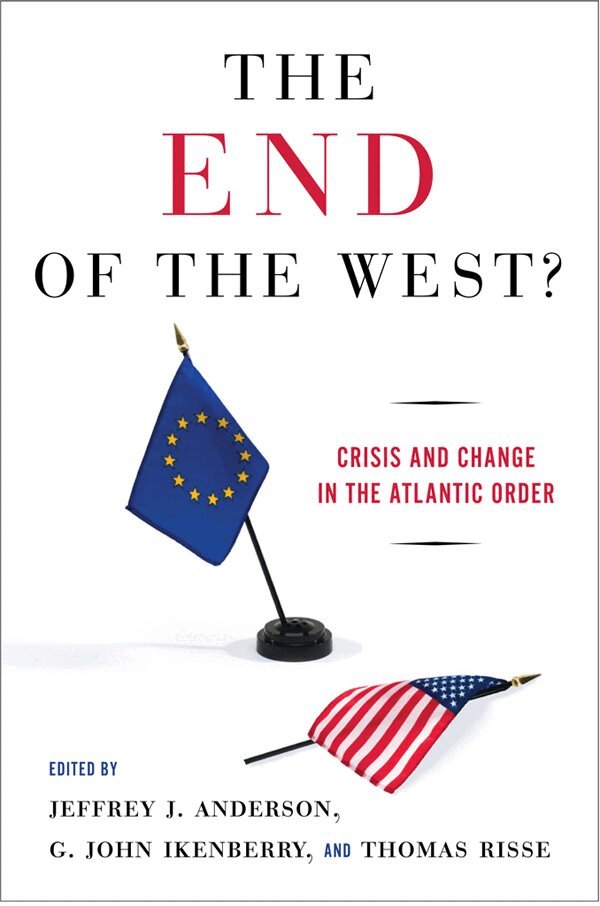
The past several years have seen strong disagreements between the U.S. government and many of its European allies, largely due to the deployment of NATO forces in Afghanistan and the commitment of national forces to the occupation of Iraq. News accounts of these challenges focus on isolated incidents and points of contention. The End of the West? addresses some basic questions: Are we witnessing a deepening transatlantic rift, with wide-ranging consequences for the future of world order? Or are today's foreign-policy disagreements the equivalent of dinner-table squabbles? What harm, if any, have recent events done to the enduring relationships between the U.S. government and its European counterparts?The contributors to this volume, whose backgrounds range from political science and history to economics, law, and sociology, examine the "deep structure" of an order that was first imposed by the Allies in 1945 and has been a central feature of world politics ever since. Creatively and insightfully blending theory and evidence, the chapters in The End of the West? examine core structural features of the transatlantic world to determine whether current disagreements are minor and transient or catastrophic and permanent.