Jeffrey K. Actor - Böcker
529 kr
Skickas inom 7-10 vardagar
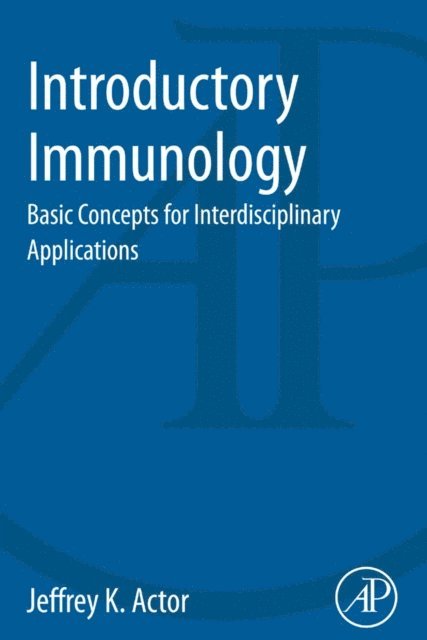
Introductory Immunology quickly acquaints readers with natural immune responses manifesting in diseases and disorders. The book presents a complete picture of natural defenses to infectious agents, as well as the mechanisms that lead to autoimmune dysfunction. In addition, it examines immunologically based diseases, giving the reader sufficient knowledge to make sound clinical decisions leading to better treatment outcomes.
Introductory Immunology is aimed at researchers, postgraduates, or any scientifically inclined reader interested in immunology. No prior expertise in medical, biochemical, or cellular science is needed to benefit from the clear presentation of immunology concepts in this book.
Quick, concise introduction to immunological concepts Breaks down all of immunology into manageable, logically digestible building blocks Geared toward readers without medical, biochemical, or cellular expertiseMicrobiology and Molecular Diagnosis in Pathology
A Comprehensive Review for Board Preparation, Certification and Clinical Practice
798 kr
Skickas inom 7-10 vardagar
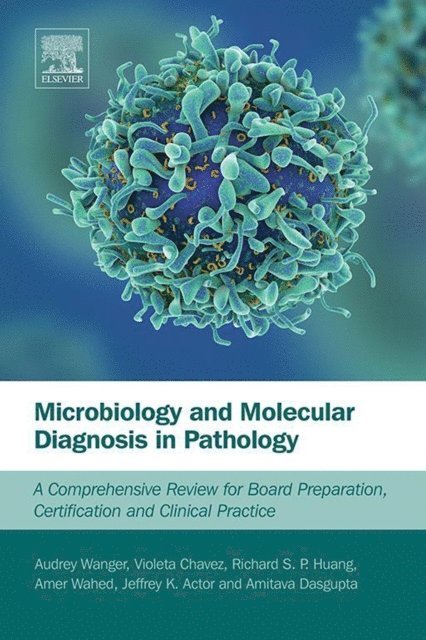
Microbiology and Molecular Diagnosis in Pathology: A Comprehensive Review for Board Preparation, Certification and Clinical Practice reviews all aspects of microbiology and molecular diagnostics essential to successfully passing the American Board of Pathology exam. This review book will also serve as a first resource for residents who want to become familiar with the diagnostic aspects of microbiology and molecular methods, as well as a refresher course for practicing pathologists. Opening chapters discuss issues of laboratory management, including quality control, biosafety, regulations, and proper handling and reporting of laboratory specimens.
Review chapters give a quick overview of specific clinical infections as well as different types of bacteria, viruses, fungal infections, and infections caused by parasites. Following these, coverage focuses on diagnostic tools and specific tests: media for clinical microbiology, specific stains and tests for microbial identifications, susceptibility testing and use of antimicrobial agents, tests for detecting antibodies, antigens, and microbial infections. Two final chapters offer overviews on molecular diagnostics principles and methods as well as the application of molecular diagnostics in clinical practice.
Takes a practical and easy-to-read approach to understanding microbiology at an appropriate level for both board preparation as well as a professional refresher course Covers all important clinical information found in larger textbooks in a more succinct and easy-to-understand manner Covers essential concepts in microbiology in such a way that residents, fellows, and clinicians understand the methods and tests without having to become specialists in the field Offers a quick overview of specific clinical infections as well as different types of bacteria, viruses, fungal infections, and infections caused by parasites1 162 kr
Skickas inom 7-10 vardagar
**Selected for Doody’s Core Titles� 2024 in Immunology**Introductory Immunology: Basic Concepts for Interdisciplinary Applications, 3rd Edition, is a completely updated, revised, and expanded concise, conceptual approach to understanding the immune systems as a primary defense to maintain health and homeostasis. This expanded version includes the aspects of microbiology and related immune defense mechanisms important in combating disease, as well critical components related to the field of vaccine development.
Immunology as a subject is no longer confined to the realms of "immunology" or "microbiology" studies. Indeed, the subject matter has become increasingly important to understand complex mechanisms found within a wider range of biological systems. This book aims specifically at educated audiences who do not have a deep understanding of medical, biochemical, or cellular knowledge. The overall text will present concepts that portray a comprehensive picture of the natural defenses to infectious agents as well as provide an introduction to mechanisms that lead to autoimmune dysfunction. In addition, immunological diseases will be detailed, with the goal of allowing the readers to gain sufficient knowledge to make sound choices for clinical decisions to affect treatment outcomes.
This new edition expands on the existing chapters, focusing on updating the previous text. It has been expanded to include knowledge on effector mechanisms addressing components inherent within cellular responses that are either newly discovered, or missing from the previous edition. It has an extra emphasis on aspects related to mechanisms important in combating microbial agents and critical sections on how vaccines protect against pathogenic invaders to limit associated pathology.
The goal is that Introductory Immunology will become the preferred provider of core knowledge in immunology to build a foundation to explore components of the human immune system that work together to confer and understand dysregulation that causes clinical diseases. This book serves as a basic platform to define therapeutic interventions by:
creating appreciation for components of the human immune system to work together to confer lifelong protection;providing a core knowledge in immunology to build a foundation to explore mechanisms involved in clinical disease, and defining functional aspects of immunological terms to permit the reader easy access to comprehend specific topics;presenting introduction to complex immunological concepts in a concise and easy manner that relates to clinical disease;breaking down all of immunology into manageable, logically digestible building blocks, and providing a map to explore overlapping mechanisms of immune protective responses;providing a platform to readers without medical, biochemical, or cellular expertise to understand and appreciate how immunology controls homeostasis and protects against pathogens. Creating appreciation for components of the human immune system to work together to confer lifelong protectionProvides a core knowledge in immunology to build a foundation to explore mechanisms involved in clinical disease, and defining functional aspects of immunological terms to permit the reader easy access to comprehend specific topicsPresenting introduction to complex immunological concepts in a concise and easy manner that relates to clinical diseaseBreaking down all of immunology into manageable, logically digestible building blocks, and providing a map to explore overlapping mechanisms of immune protective responsesproviding a platform to readers without medical, biochemical, or cellular expertise to understand and appreciate how immunology controls homeostasis and protects against pathogens