Jeffrey L. Derevensky - Böcker
Visar alla böcker från författaren Jeffrey L. Derevensky. Handla med fri frakt och snabb leverans.
4 produkter
4 produkter
1 034 kr
Skickas inom 10-15 vardagar
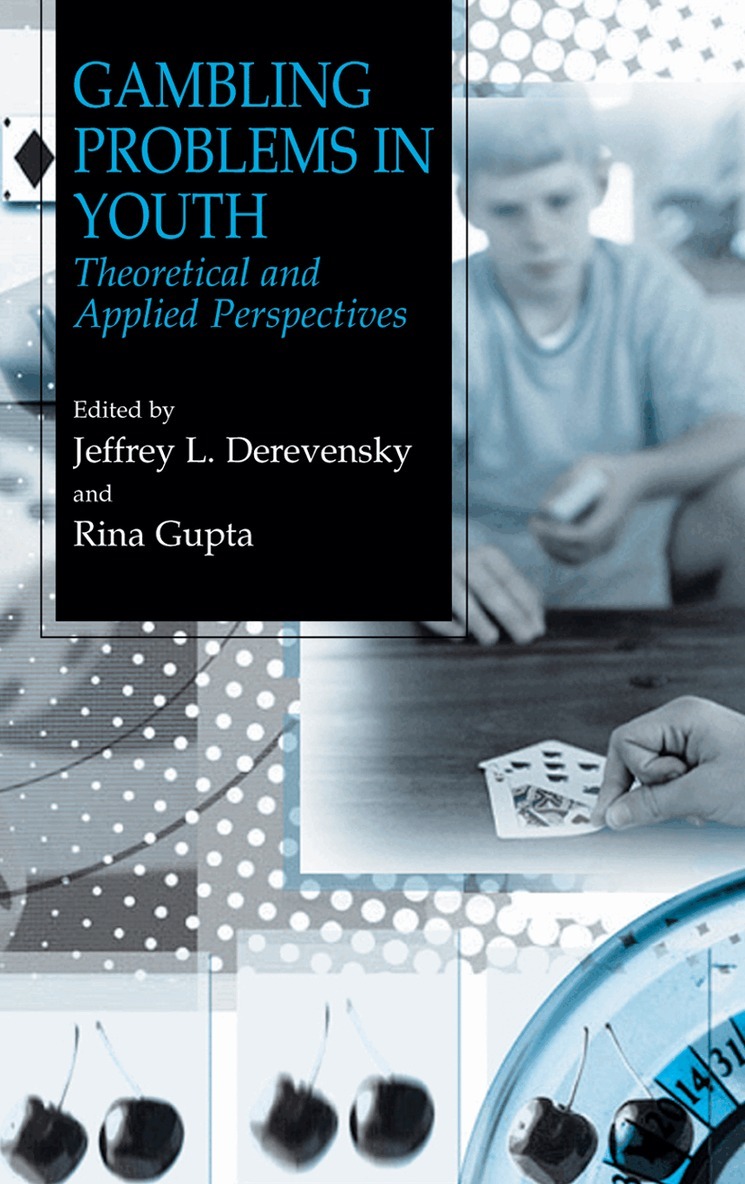
Howard J. Shaffer, Ph. D. More than 20 years ago, I first noted that young people in North America were growing up in a context of legalized gambling for their entire lifetime. By the 1980s, for young people, gambling had become an average and expectable part of the social landscape. Amid legal opportunities to gamble in all but two of the United States and with illicit opportunities to gamble in every state, gambling is now ubiquitous in America. With few social sa- tions to limit a young person’s interest in gambling—like their adult co- terparts—young people now gamble in larger numbers and for seemingly higher stakes. Gradually, gambling-related problems became more visible for young people and the culture slowly but increasingly took notice. By the late 1990s, every sector of American and Canadian society had started to c- sider the effects of legalized gambling on youth. For different reasons, r- resentatives of the gambling and health care industries led the movement to prevent youthful gambling and reconcile existing problems whenever p- sible. Scientists also recognized that there was much to be learned by stu- ing young gamblers. Toward the end of the 20th century, there was a rapid increase in gambling research focusing on developmental issues; half of what is known about gambling emerged during the 1990s. This volume represents an important event in the continuing growth of a field.
400 kr
Skickas inom 10-15 vardagar
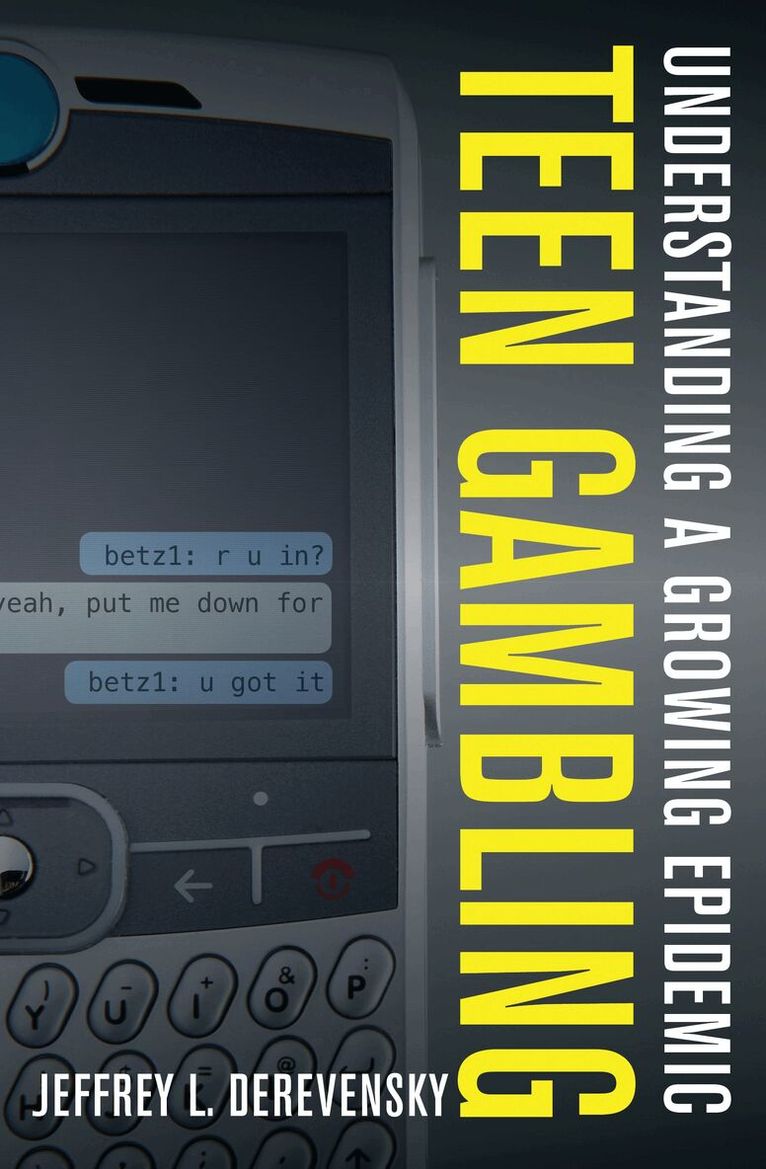
Never before in our history have we witnessed such an explosion of worldwide gambling opportunities. Our love affair with gambling points to its widespread appeal as a socially acceptable leisure activity. However, gambling, once thought to be strictly an adult activity, has become an increasingly popular pastime among adolescents. Whether engaged in wagering on games of personal skill, poker amongst friends, purchasing lottery tickets, sports wagering, casino gambling, or gambling over the Internet, its popularity among the young is on the rise. There is growing evidence that large numbers of adolescents remain actively involved and engaged in almost all forms of both regulated and unregulated gambling activities in spite of age restrictions.While gambling addiction is recognized as a psychiatric disorder, there is a common misconception that adults are the only sufferers. Yet data from around the world point to high levels of gambling problems amongst adolescents, with rates of adolescent gambling problems being between 2-4 times those of adults.Based upon a growing body of evidence, this book provides a better understanding of our current knowledge concerning the causes and extent of youth gambling problems. Using real life examples, Derevensky shows how adolescents gain access to gambling activities, what issues arise from those activities, and the tools we have available for assessing problem gambling among youth. He provides clear and practical strategies for the prevention and treatment of youth with gambling problems and points the way to understanding the extent and consequences of enabling youth gambling.
1 096 kr
Skickas inom 10-15 vardagar
Howard J. Shaffer, Ph. D. More than 20 years ago, I first noted that young people in North America were growing up in a context of legalized gambling for their entire lifetime. By the 1980s, for young people, gambling had become an average and expectable part of the social landscape. Amid legal opportunities to gamble in all but two of the United States and with illicit opportunities to gamble in every state, gambling is now ubiquitous in America. With few social sa- tions to limit a young person’s interest in gambling—like their adult co- terparts—young people now gamble in larger numbers and for seemingly higher stakes. Gradually, gambling-related problems became more visible for young people and the culture slowly but increasingly took notice. By the late 1990s, every sector of American and Canadian society had started to c- sider the effects of legalized gambling on youth. For different reasons, r- resentatives of the gambling and health care industries led the movement to prevent youthful gambling and reconcile existing problems whenever p- sible. Scientists also recognized that there was much to be learned by stu- ing young gamblers. Toward the end of the 20th century, there was a rapid increase in gambling research focusing on developmental issues; half of what is known about gambling emerged during the 1990s. This volume represents an important event in the continuing growth of a field.
1 996 kr
Skickas inom 7-10 vardagar
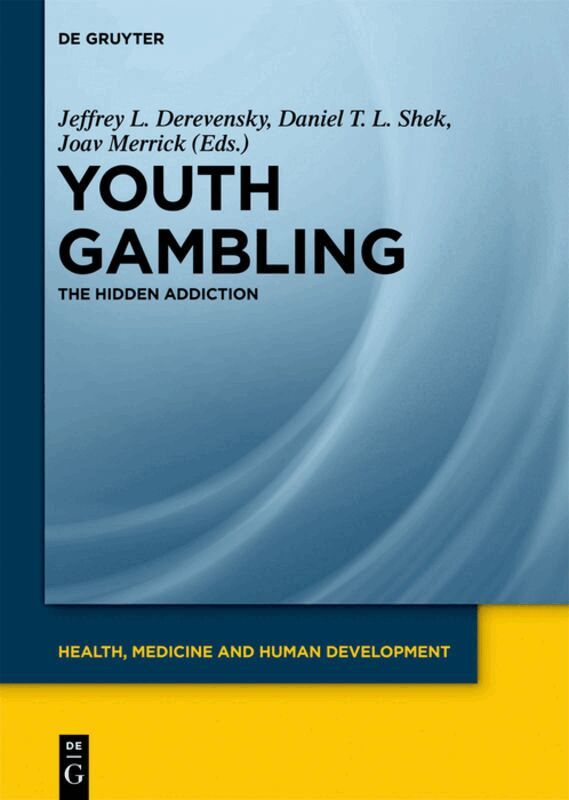
Youth gambling represents a potentially serious public policy and health issue. Nevertheless, the rise in youth gambling issues and problems in the global context is not matched with a parallel increase in research on adolescent gambling. As such, there is an urgent need to conduct more studies on adolescent gambling behaviour. Recently significant advances in the knowledge of the risk factors associated with adolescent problems has emerged. This book addresses issues related to prevalence, assessment, prevention and treatment of youth gambling problems as well as concerns related to technological changes associated with youth problem gambling.