Jeffrey L. Richey - Böcker
Visar alla böcker från författaren Jeffrey L. Richey. Handla med fri frakt och snabb leverans.
6 produkter
6 produkter
450 kr
Skickas inom 5-8 vardagar
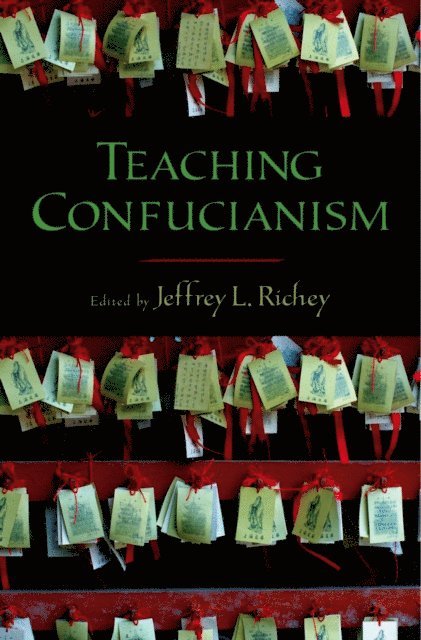
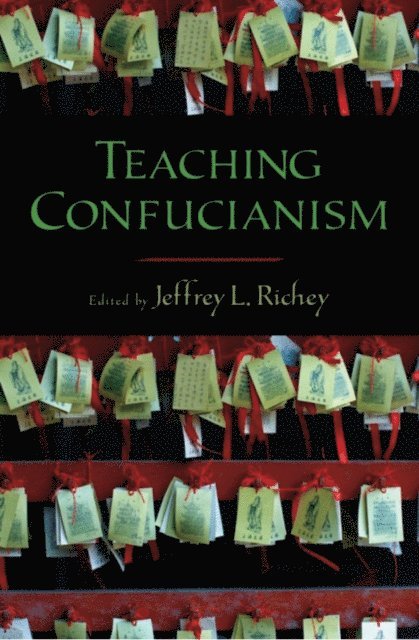
Even the most casual observer of Chinese society is aware of the tremendous significance of Confucianism as a linchpin of both ancient and modern Chinese identity. Furthermore, the Confucian tradition has exercised enormous influence over the values and institutions of the other cultures of East Asia, an influence that continues to be important in the global Asian diaspora. If forecasters are correct in labeling the 21st century 'the Chinese century,' teachers and scholars of religious studies and theology will be called upon to illuminate the history, character, and role of Confucianism as a religious tradition in Chinese and Chinese-influenced societies. The essays in this volume will address the specifically pedagogical challenges of introducing Confucian material to non-East Asian scholars and students. Informed by the latest scholarship as well as practical experience in the religious studies and theology classroom, the essays are attentive to the various settings within which religious material is taught and sensitive to the needs of both experts in Confucian studies and those with no background in Asian studies who are charged with teaching these traditions. The authors represent all the arenas of Confucian studies, from the ancient to the modern. Courses involving Confucius and Confucianism have proliferated across the disciplinary map of the modern university. This volume will be an invaluable resource for instructors not only in religious studies departments and theological schools, but also teachers of world philosophy, non-Western philosophy, Asian studies, and world history.
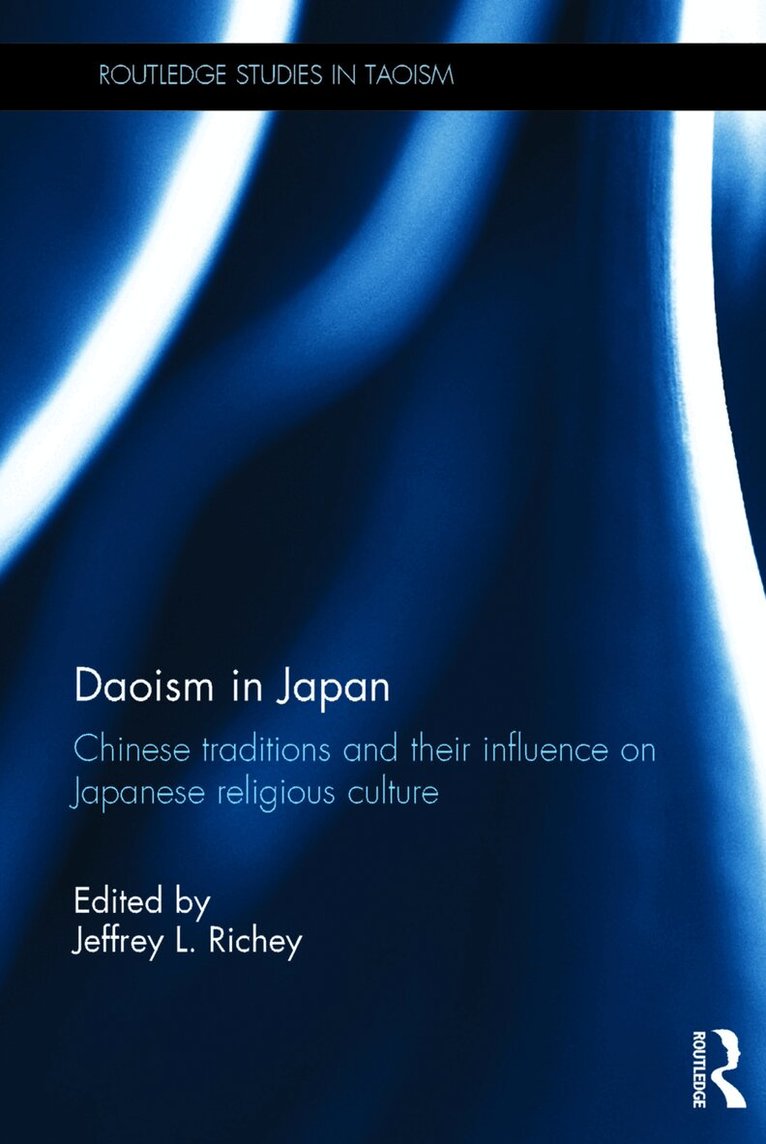
Daoism in Japan
Chinese traditions and their influence on Japanese religious culture
Häftad, Engelska, 2018
671 kr
Skickas inom 10-15 vardagar
Like an ancient river, Daoist traditions introduced from China once flowed powerfully through the Japanese religious landscape, forever altering its topography and ecology. Daoism’s presence in Japan still may be discerned in its abiding influence on astrology, divination, festivals, literature, politics, and popular culture, not to mention Buddhism and Shintō. Despite this legacy, few English-language studies of Daoism’s influence on Japanese religious culture have been published.Daoism in Japan provides an exploration of the particular pathways by which Daoist traditions entered Japan from continental East Asia. After addressing basic issues in both Daoist Studies and the study of Japanese religions, including the problems of defining ‘Daoism’ and ‘Japanese,’ the book looks at the influence of Daoism on ancient, medieval and modern Japan in turn. To do so, the volume is arranged both chronologically and topically, according to the following three broad divisions: "Arrivals" (c. 5th-8th centuries CE), "Assimilations" (794-1868), and "Apparitions" (1600s-present). The book demonstrates how Chinese influence on Japanese religious culture ironically proved to be crucial in establishing traditions that usually are seen as authentically, even quintessentially, Japanese.Touching on multiple facets of Japanese cultural history and religious traditions, this book is a fascinating contribution for students and scholars of Japanese Culture, History and Religions, as well as Daoist Studies.
Daoism in Japan
Chinese traditions and their influence on Japanese religious culture
Inbunden, Engelska, 2015
2 155 kr
Skickas inom 10-15 vardagar
Like an ancient river, Daoist traditions introduced from China once flowed powerfully through the Japanese religious landscape, forever altering its topography and ecology. Daoism’s presence in Japan still may be discerned in its abiding influence on astrology, divination, festivals, literature, politics, and popular culture, not to mention Buddhism and Shintō. Despite this legacy, few English-language studies of Daoism’s influence on Japanese religious culture have been published.Daoism in Japan provides an exploration of the particular pathways by which Daoist traditions entered Japan from continental East Asia. After addressing basic issues in both Daoist Studies and the study of Japanese religions, including the problems of defining ‘Daoism’ and ‘Japanese,’ the book looks at the influence of Daoism on ancient, medieval and modern Japan in turn. To do so, the volume is arranged both chronologically and topically, according to the following three broad divisions: "Arrivals" (c. 5th-8th centuries CE), "Assimilations" (794-1868), and "Apparitions" (1600s-present). The book demonstrates how Chinese influence on Japanese religious culture ironically proved to be crucial in establishing traditions that usually are seen as authentically, even quintessentially, Japanese.Touching on multiple facets of Japanese cultural history and religious traditions, this book is a fascinating contribution for students and scholars of Japanese Culture, History and Religions, as well as Daoist Studies.
1 057 kr
Tillfälligt slut
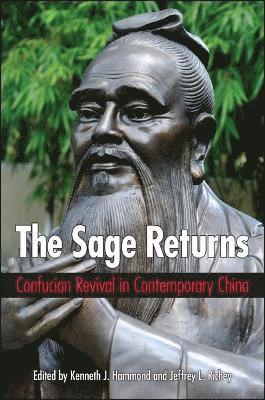
An interdisciplinary exploration of the contemporary Confucian revival.Until its rejection by reformers and revolutionaries in the twentieth century, Confucianism had been central to Chinese culture, identity, and thought for centuries. Confucianism was rejected by both Nationalists under Chiang Kai-shek and Mao Zedong's Communist Party, which characterized it as an ideology of reaction and repression. Yet the sage has returned: today, Chinese people from all walks of life and every level of authority are embracing Confucianism. As China turned away from the excesses of the Cultural Revolution and experienced the adoption and challenges of market practices, alternatives were sought to the prevailing socialist morality. Beginning in the 1980s and continuing through the years, ideas, images, behaviors, and attitudes associated with Confucianism have come back into public and private life. In this volume, scholars from a wide range of disciplines explore the contemporary Confucian revival in China, looking at Confucianism and the state, intellectual life, and popular culture. Contributors note how the revival of Confucianism plays out in a variety of ways, from China's relationship with the rest of the world, to views of capitalism and science, to blockbuster movies and teenage fashion.
353 kr
Skickas
An interdisciplinary exploration of the contemporary Confucian revival.Until its rejection by reformers and revolutionaries in the twentieth century, Confucianism had been central to Chinese culture, identity, and thought for centuries. Confucianism was rejected by both Nationalists under Chiang Kai-shek and Mao Zedong's Communist Party, which characterized it as an ideology of reaction and repression. Yet the sage has returned: today, Chinese people from all walks of life and every level of authority are embracing Confucianism. As China turned away from the excesses of the Cultural Revolution and experienced the adoption and challenges of market practices, alternatives were sought to the prevailing socialist morality. Beginning in the 1980s and continuing through the years, ideas, images, behaviors, and attitudes associated with Confucianism have come back into public and private life. In this volume, scholars from a wide range of disciplines explore the contemporary Confucian revival in China, looking at Confucianism and the state, intellectual life, and popular culture. Contributors note how the revival of Confucianism plays out in a variety of ways, from China's relationship with the rest of the world, to views of capitalism and science, to blockbuster movies and teenage fashion.
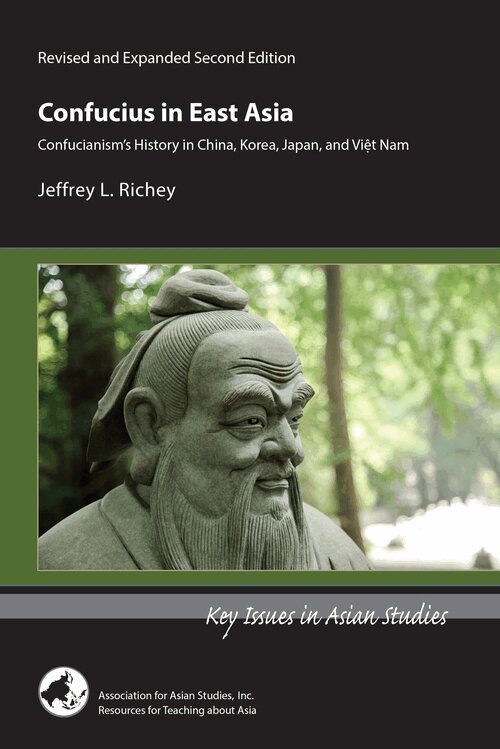
Confucius in East Asia – Confucianism′s History in China, Korea, Japan, and Vietnam, Revised and Expanded Second Edition
Häftad, Engelska, 2022
169 kr
Skickas inom 7-10 vardagar