Jeffrey T. Checkel - Böcker
Visar alla böcker från författaren Jeffrey T. Checkel. Handla med fri frakt och snabb leverans.
8 produkter
8 produkter
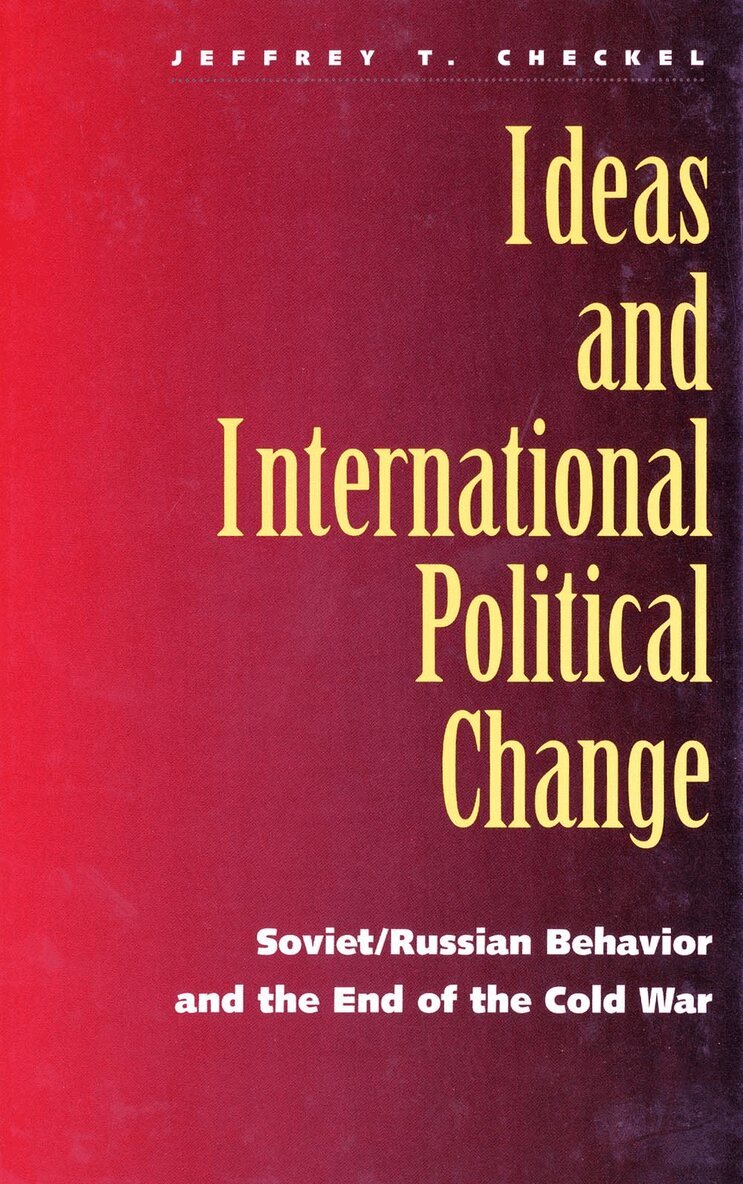
Ideas and International Political Change
Soviet/Russian Behavior and the End of the Cold War
Inbunden, Engelska, 1997
733 kr
Skickas inom 5-8 vardagar
The remarkable, peaceful end of the Cold War dramatically—and unexpectedly—transformed international politics toward the end of the twentieth century. At the heart of this amazing change was the struggle over new and old ideas. Drawing on rich data from interviews with key Soviet architects of "new thinking" and of Gorbachev-era policy reforms, Jeffrey Checkel offers an absorbing historical narrative of political change in the late Soviet period, along with theoretical insights into the effect of ideas on state behavior. International structure and domestic institutions account for variations from country to country in how ideas influence state policy, Checkel argues. While a changing international political environment creates opportunities for the carriers of new ideas, these entrepreneurs must operate within domestic institutional settings that sharply affect their ability to influence policy. In the late Soviet period, entrenched assumptions about international politics were close to breaking down, creating a rare opportunity for new thinking. Checkel draws on this analysis of policy change in Soviet Moscow at the end of the Cold War, as well as in post-Soviet Russia, to illuminate the role of ideas in international political change.
360 kr
Skickas inom 7-10 vardagar
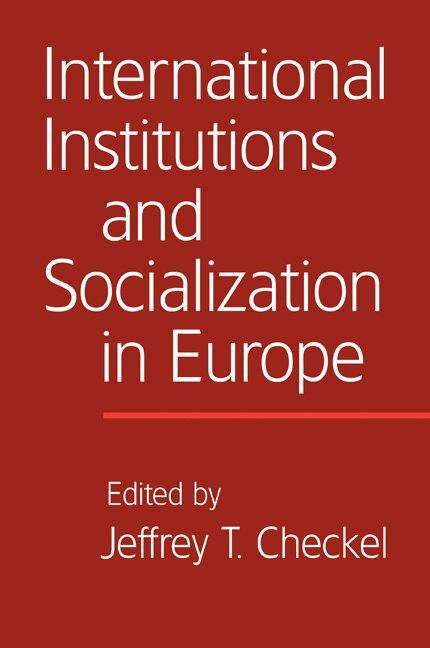
Since the path-breaking work of Karl Deutsch on security communities and Ernst Haas on European integration, it has been clear that international institutions may create senses of community and belonging beyond the nation state. Put differently, they can socialize. Yet the mechanisms underlying such dynamics have been unclear. This volume explores these mechanisms of international community building, from a resolutely eclectic stand point. Rationalism is thus the social theory of choice for some contributors, while others are more comfortable with social constructivism. This problem-driven perspective and the theoretical bridge building it are the cutting edge in international relations theory. By providing more fined-grained arguments on precisely how international institutions matter, such an approach sheds crucial light on the complex relationship between states and institutions, between rational choice and social constructivism, and, in our case, between Europe and the nation state.
334 kr
Skickas inom 7-10 vardagar
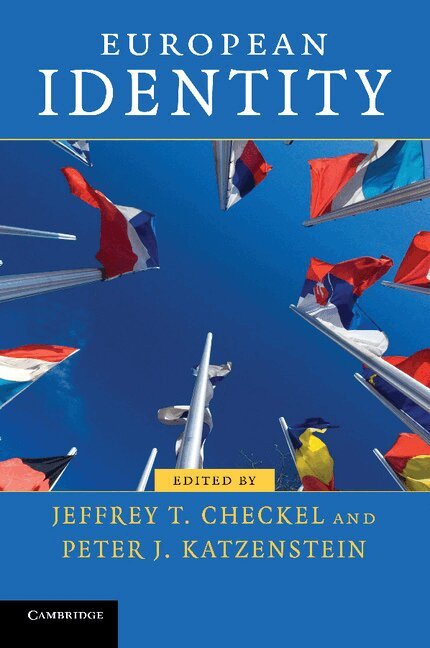
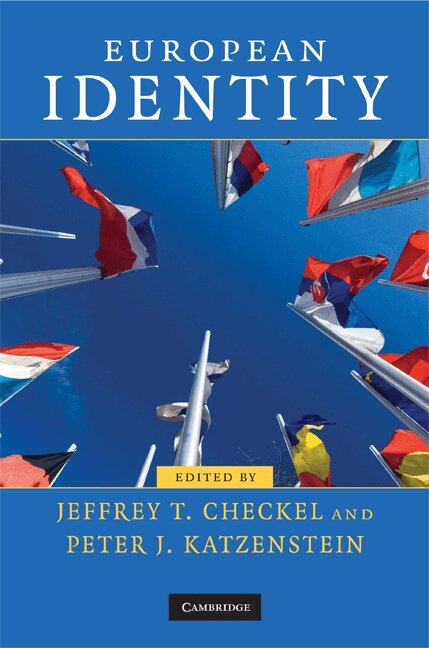
Why are hopes fading for a single European identity? Economic integration has advanced faster and further than predicted, yet the European sense of 'who we are' is fragmenting. Exploiting decades of permissive consensus, Europe's elites designed and completed the single market, the euro, the Schengen passport-free zone, and, most recently, crafted an extraordinarily successful policy of enlargement. At the same time, these attempts to de-politicize politics, to create Europe by stealth, have produced a political backlash. This ambitious survey of identity in Europe captures the experiences of the winners and losers, optimists and pessimists, movers and stayers in a Europe where spatial and cultural borders are becoming ever more permeable. A full understanding of Europe's ambivalence, refracted through its multiple identities, lies at the intersection of competing European political projects and social processes.
995 kr
Skickas inom 7-10 vardagar
Why are hopes fading for a single European identity? Economic integration has advanced faster and further than predicted, yet the European sense of 'who we are' is fragmenting. Exploiting decades of permissive consensus, Europe's elites designed and completed the single market, the euro, the Schengen passport-free zone, and, most recently, crafted an extraordinarily successful policy of enlargement. At the same time, these attempts to de-politicize politics, to create Europe by stealth, have produced a political backlash. This ambitious survey of identity in Europe captures the experiences of the winners and losers, optimists and pessimists, movers and stayers in a Europe where spatial and cultural borders are becoming ever more permeable. A full understanding of Europe's ambivalence, refracted through its multiple identities, lies at the intersection of competing European political projects and social processes.
1 192 kr
Skickas inom 7-10 vardagar
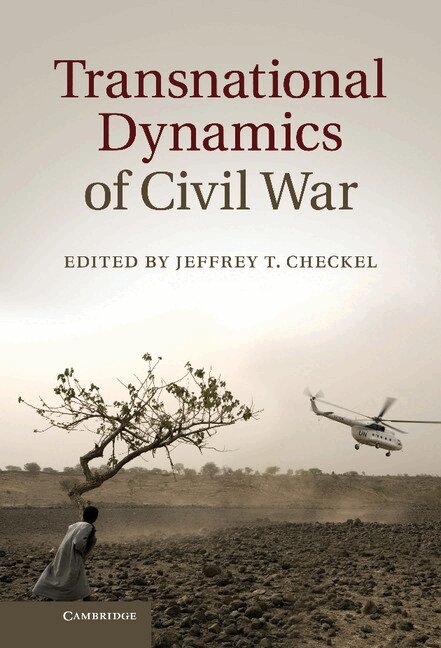
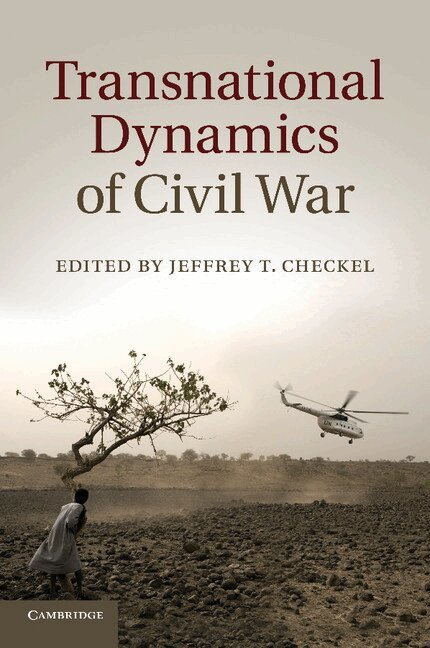
Civil wars are the dominant form of violence in the contemporary international system, yet they are anything but local affairs. This book explores the border-crossing features of such wars by bringing together insights from international relations theory, sociology, and transnational politics with a rich comparative-quantitative literature. It highlights the causal mechanisms - framing, resource mobilization, socialization, among others - that link the international and transnational to the local, emphasizing the methods required to measure them. Contributors examine specific mechanisms leading to particular outcomes in civil conflicts ranging from Chechnya, to Afghanistan, to Sudan, to Turkey. Transnational Dynamics of Civil War thus provides a significant contribution to debates motivating the broader move to mechanism-based forms of explanation, and will engage students and researchers of international relations, comparative politics, and conflict processes.
1 218 kr
Skickas inom 7-10 vardagar
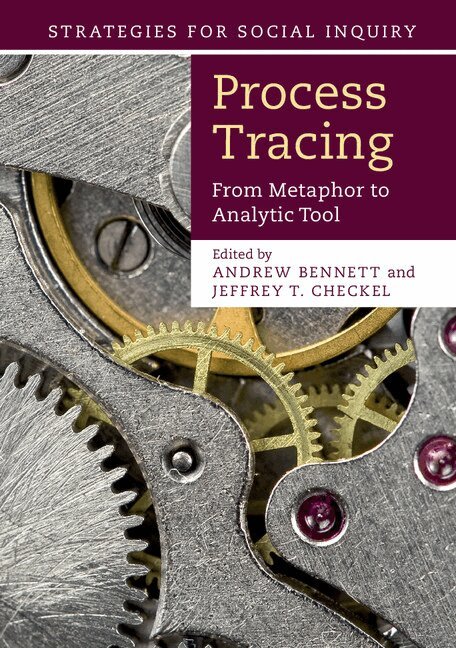
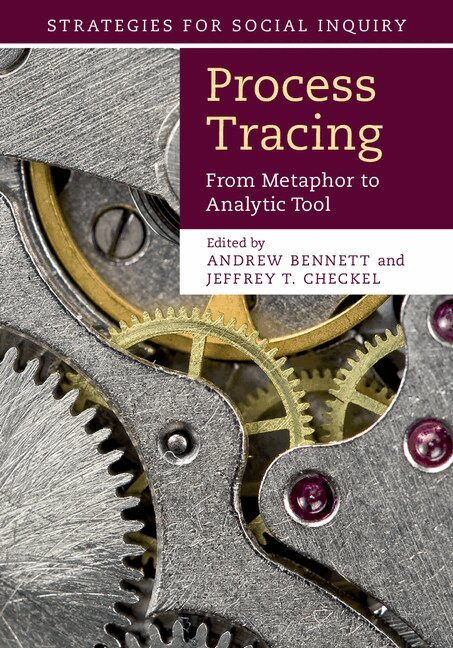
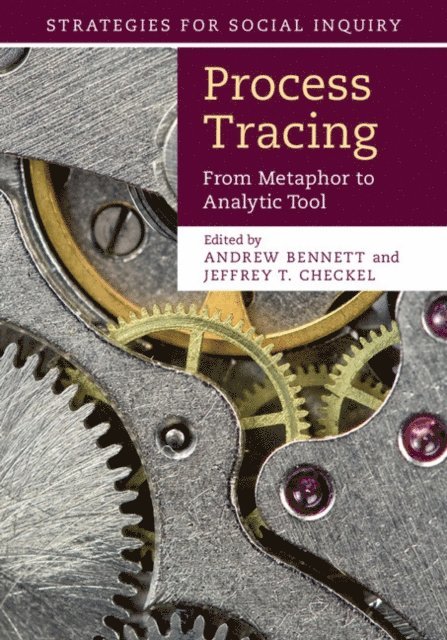
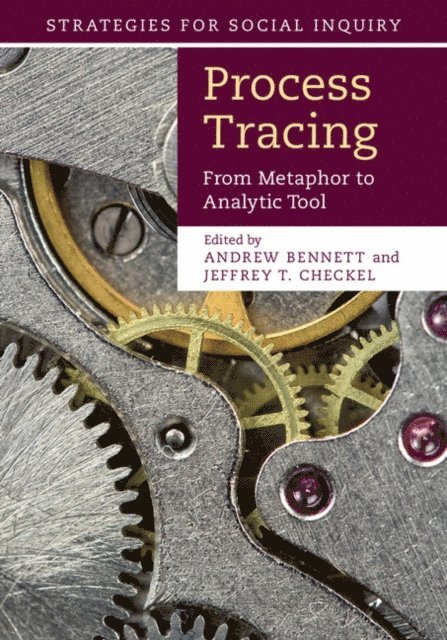
Advances in qualitative methods and recent developments in the philosophy of science have led to an emphasis on explanation via reference to causal mechanisms. This book argues that the method known as process tracing is particularly well suited to developing and assessing theories about such mechanisms. The editors begin by establishing a philosophical basis for process tracing - one that captures mainstream uses while simultaneously being open to applications by interpretive scholars. Equally important, they go on to establish best practices for individual process-tracing accounts - how micro to go, when to start (and stop), and how to deal with the problem of equifinality. The contributors then explore the application of process tracing across a range of subfields and theories in political science. This is an applied methods book which seeks to shrink the gap between the broad assertion that 'process tracing is good' and the precise claim 'this is an instance of good process tracing'.
428 kr
Skickas inom 7-10 vardagar
Civil wars are the dominant form of violence in the contemporary international system, yet they are anything but local affairs. This book explores the border-crossing features of such wars by bringing together insights from international relations theory, sociology, and transnational politics with a rich comparative-quantitative literature. It highlights the causal mechanisms - framing, resource mobilization, socialization, among others - that link the international and transnational to the local, emphasizing the methods required to measure them. Contributors examine specific mechanisms leading to particular outcomes in civil conflicts ranging from Chechnya, to Afghanistan, to Sudan, to Turkey. Transnational Dynamics of Civil War thus provides a significant contribution to debates motivating the broader move to mechanism-based forms of explanation, and will engage students and researchers of international relations, comparative politics, and conflict processes.
427 kr
Skickas inom 7-10 vardagar
Advances in qualitative methods and recent developments in the philosophy of science have led to an emphasis on explanation via reference to causal mechanisms. This book argues that the method known as process tracing is particularly well suited to developing and assessing theories about such mechanisms. The editors begin by establishing a philosophical basis for process tracing - one that captures mainstream uses while simultaneously being open to applications by interpretive scholars. Equally important, they go on to establish best practices for individual process-tracing accounts - how micro to go, when to start (and stop), and how to deal with the problem of equifinality. The contributors then explore the application of process tracing across a range of subfields and theories in political science. This is an applied methods book which seeks to shrink the gap between the broad assertion that 'process tracing is good' and the precise claim 'this is an instance of good process tracing'.