Jelena Subotić - Böcker
Visar alla böcker från författaren Jelena Subotić. Handla med fri frakt och snabb leverans.
6 produkter
6 produkter
275 kr
Skickas inom 5-8 vardagar
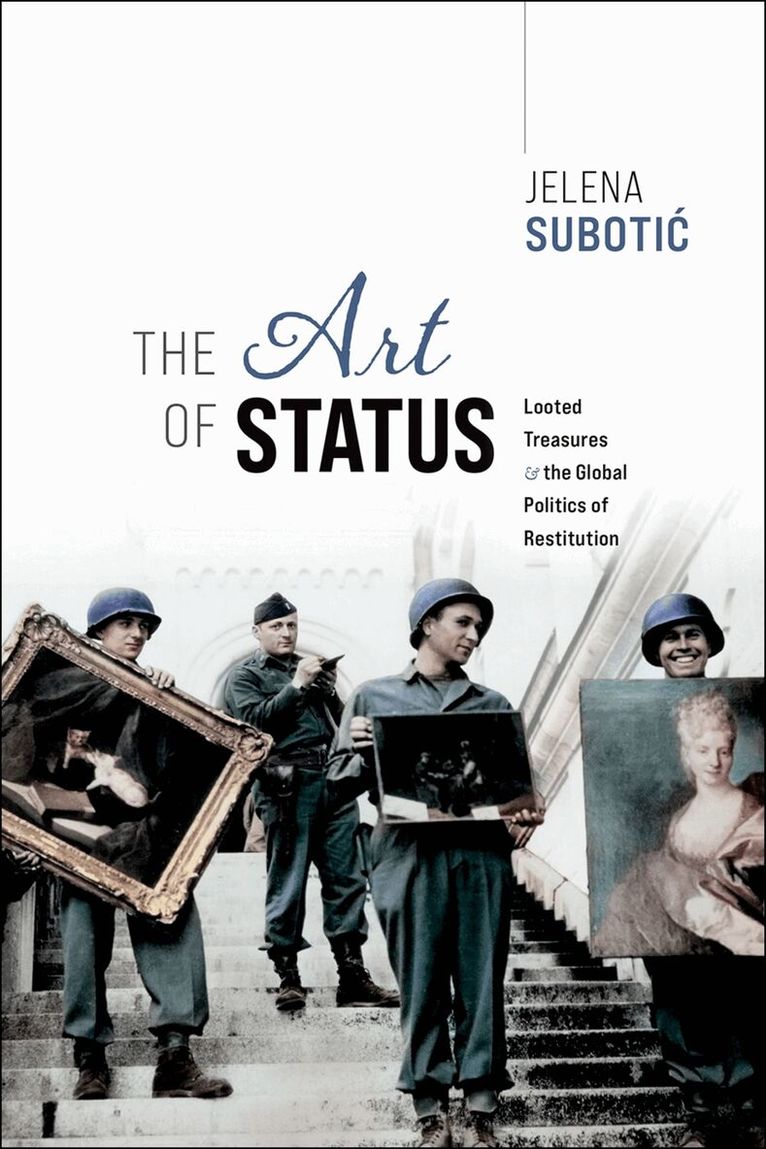
An illuminating exploration of the relationship between the restitution of looted art, global status, and the international construction of national cultural heritage.Why is art restitution a matter of politics? How does the artwork displayed in national museums reflect the international status of the state that owns it? Why do some states agree to return looted art and others resist? National art collections have long been a way for states to compete with each other for status, prestige, and cultural worth in international society. In many former imperial nations, however, these collections include art looted during imperial expansions and colonial occupations. While this was once a sign of high international standing, the markers of such status, particularly in the context of art, have since significantly changed. A new international legal and normative architecture governing art provenance developed after World War II and became institutionalized in the 1990s and 2000s. Since then, there have been national and global social movements demanding the return of looted art. This shift has established not only that looting is wrong but, more importantly, that restitution is morally right. As a result of this reframing of what it means to own art, an artifact's historical provenance has become a core element of its value and the search for provenance and demands for restitution a direct threat to state status. The same objects that granted states high international status now threaten to provoke status decline. In The Art of Status, Jelena Subotić examines this relationship between the restitution of looted art and international status, with a focus on the Parthenon ('Elgin') Marbles, the Benin Bronzes, and a collection of paintings looted during the Holocaust that are now housed at the Serbian National Museum. Subotić tells the story of these artworks, how they were looted, how they ended up on display in national museums, and how the art restitution disputes have unfolded. While these cases are different in terms of their historical context of looting and ownership claims, the movements for their restitution, and resistance to it, illustrate the larger questions of how national cultural heritage is internationally constructed and how it serves states' desire for international status and prestige. An in-depth and nuanced account of art restitution disputes, The Art of Status illuminates the shifting political significance of art on the international stage, from ownership to restitution.
497 kr
Skickas inom 10-15 vardagar
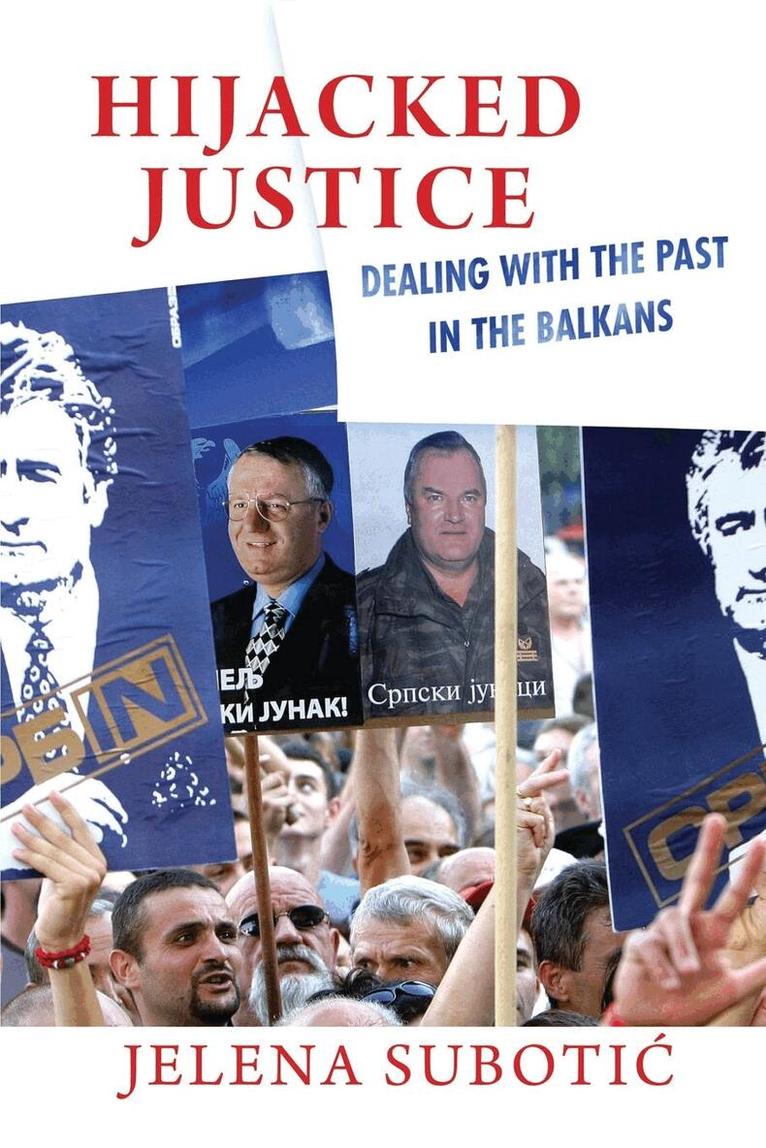
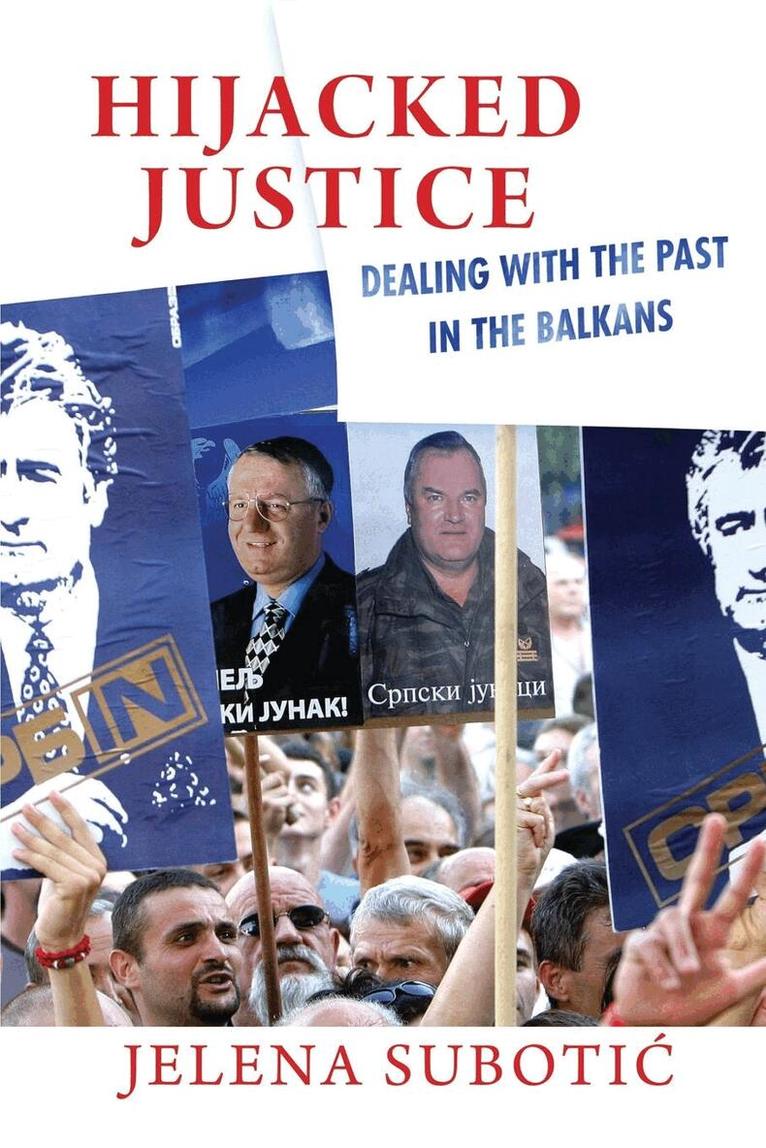
What is the appropriate political response to mass atrocity? In Hijacked Justice, Jelena Subotic traces the design, implementation, and political outcomes of institutions established to deal with the legacies of violence in the aftermath of the Yugoslav wars. She finds that international efforts to establish accountability for war crimes in the former Yugoslavia have been used to pursue very different local political goals. Responding to international pressures, Serbia, Croatia, and Bosnia have implemented various mechanisms of "transitional justice"—the systematic addressing of past crimes after conflicts end. Transitional justice in the three countries, however, was guided by ulterior political motives: to get rid of domestic political opponents, to obtain international financial aid, or to gain admission to the European Union. Subotic argues that when transitional justice becomes "hijacked" for such local political strategies, it fosters domestic backlash, deepens political instability, and even creates alternative, politicized versions of history. That war crimes trials (such as those in The Hague) and truth commissions (as in South Africa) are necessary and desirable has become a staple belief among those concerned with reconstructing societies after conflict. States are now expected to deal with their violent legacies in an institutional setting rather than through blanket amnesty or victor's justice. This new expectation, however, has produced paradoxical results. In order to avoid the pitfalls of hijacked justice, Subotic argues, the international community should focus on broader and deeper social transformation of postconflict societies, instead on emphasizing only arrests of war crimes suspects.
313 kr
Skickas inom 10-15 vardagar
What is the appropriate political response to mass atrocity? In Hijacked Justice, Jelena Subotic traces the design, implementation, and political outcomes of institutions established to deal with the legacies of violence in the aftermath of the Yugoslav wars. She finds that international efforts to establish accountability for war crimes in the former Yugoslavia have been used to pursue very different local political goals. Responding to international pressures, Serbia, Croatia, and Bosnia have implemented various mechanisms of "transitional justice"—the systematic addressing of past crimes after conflicts end. Transitional justice in the three countries, however, was guided by ulterior political motives: to get rid of domestic political opponents, to obtain international financial aid, or to gain admission to the European Union. Subotic argues that when transitional justice becomes "hijacked" for such local political strategies, it fosters domestic backlash, deepens political instability, and even creates alternative, politicized versions of history. That war crimes trials (such as those in The Hague) and truth commissions (as in South Africa) are necessary and desirable has become a staple belief among those concerned with reconstructing societies after conflict. States are now expected to deal with their violent legacies in an institutional setting rather than through blanket amnesty or victor's justice. This new expectation, however, has produced paradoxical results. In order to avoid the pitfalls of hijacked justice, Subotic argues, the international community should focus on broader and deeper social transformation of postconflict societies, instead on emphasizing only arrests of war crimes suspects.
337 kr
Skickas inom 10-15 vardagar
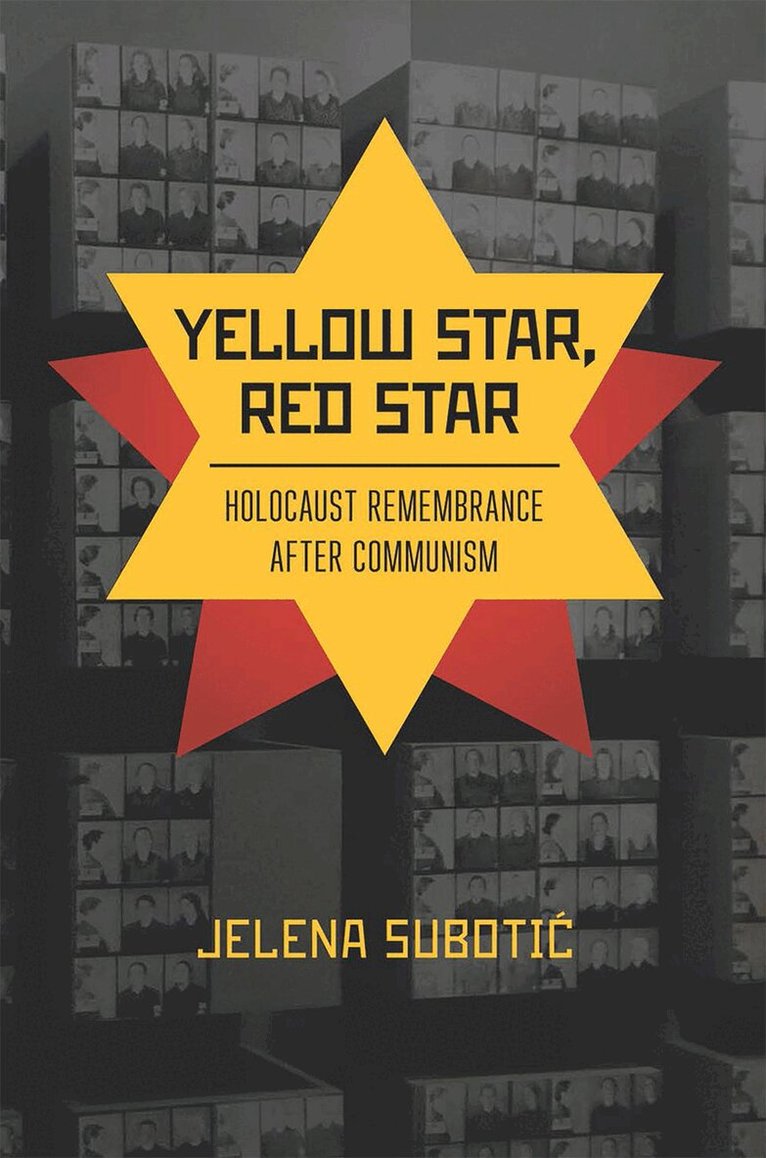
Yellow Star, Red Star asks why Holocaust memory continues to be so deeply troubled—ignored, appropriated, and obfuscated—throughout Eastern Europe, even though it was in those lands that most of the extermination campaign occurred. As part of accession to the European Union, Jelena Subotić shows, East European states were required to adopt, participate in, and contribute to the established Western narrative of the Holocaust. This requirement created anxiety and resentment in post-communist states: Holocaust memory replaced communist terror as the dominant narrative in Eastern Europe, focusing instead on predominantly Jewish suffering in World War II. Influencing the European Union's own memory politics and legislation in the process, post-communist states have attempted to reconcile these two memories by pursuing new strategies of Holocaust remembrance. The memory, symbols, and imagery of the Holocaust have been appropriated to represent crimes of communism.Yellow Star, Red Star presents in-depth accounts of Holocaust remembrance practices in Serbia, Croatia, and Lithuania, and extends the discussion to other East European states. The book demonstrates how countries of the region used Holocaust remembrance as a political strategy to resolve their contemporary "ontological insecurities"—insecurities about their identities, about their international status, and about their relationships with other international actors. As Subotić concludes, Holocaust memory in Eastern Europe has never been about the Holocaust or about the desire to remember the past, whether during communism or in its aftermath. Rather, it has been about managing national identities in a precarious and uncertain world.
1 563 kr
Skickas inom 10-15 vardagar
Politics, Violence, Memory highlights important new social scientific research on the Holocaust and initiates the integration of the Holocaust into mainstream social scientific research in a way that will be useful both for social scientists and historians. Until recently social scientists largely ignored the Holocaust despite the centrality of these tragic events to many of their own concepts and theories. In Politics, Violence, Memory the editors bring together contributions to understanding the Holocaust from a variety of disciplines, including political science, sociology, demography, and public health. The chapters examine the sources and measurement of antisemitism; explanations for collaboration, rescue, and survival; competing accounts of neighbor-on-neighbor violence; and the legacies of the Holocaust in contemporary Europe. Politics, Violence, Memory brings new data to bear on these important concerns and shows how older data can be deployed in new ways to understand the "index case" of violence in the modern world.
447 kr
Skickas inom 10-15 vardagar
Politics, Violence, Memory highlights important new social scientific research on the Holocaust and initiates the integration of the Holocaust into mainstream social scientific research in a way that will be useful both for social scientists and historians. Until recently social scientists largely ignored the Holocaust despite the centrality of these tragic events to many of their own concepts and theories. In Politics, Violence, Memory the editors bring together contributions to understanding the Holocaust from a variety of disciplines, including political science, sociology, demography, and public health. The chapters examine the sources and measurement of antisemitism; explanations for collaboration, rescue, and survival; competing accounts of neighbor-on-neighbor violence; and the legacies of the Holocaust in contemporary Europe. Politics, Violence, Memory brings new data to bear on these important concerns and shows how older data can be deployed in new ways to understand the "index case" of violence in the modern world.