Jem Bendell – författare
Visar alla böcker från författaren Jem Bendell. Handla med fri frakt och snabb leverans.
18 produkter
Breaking Together
A freedom-loving response to collapse
Av Jem Bendell
Häftad, 2023
259 kr
Lägg i varukorg
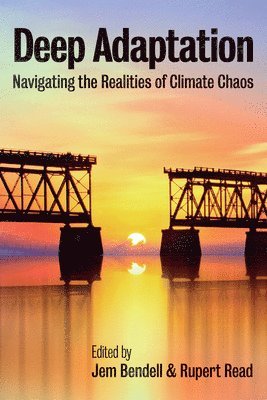
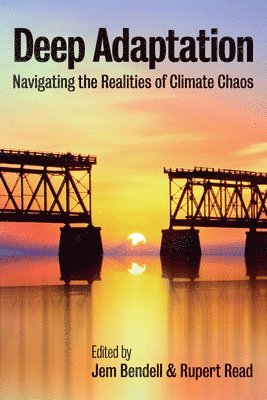
Deep Adaptation
Navigating the Realities of Climate Chaos
Häftad, 2021
4,0 utav 5 stjärnor. Totalt antal röster: (1)
152 kr
Lägg i varukorg
‘Deep adaptation’ refers to the personal and collective changes that might help us to prepare for – and live with – a climate-influenced breakdown or collapse of our societies. It is a framework for responding to the terrifying realization of increasing disruption by committing ourselves to …
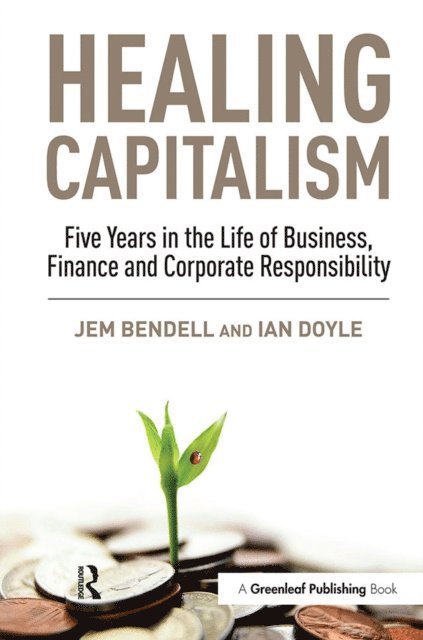
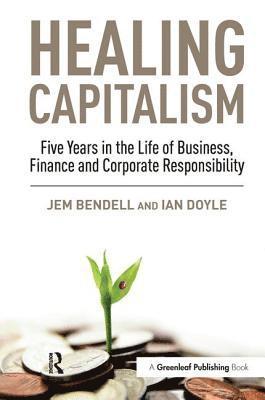
Healing Capitalism
Five Years in the Life of Business, Finance and Corporate Responsibility
Av Ian Doyle, Jem Bendell
E-bok, 2017
1569 kr
Lägg i varukorg
The global response from business to social and environmental issues during the past decade has created a corporate responsibility movement. But what has been the impact of this movement? The financial crisis that began in 2007 has led more and more people to question the fundamentals of our …
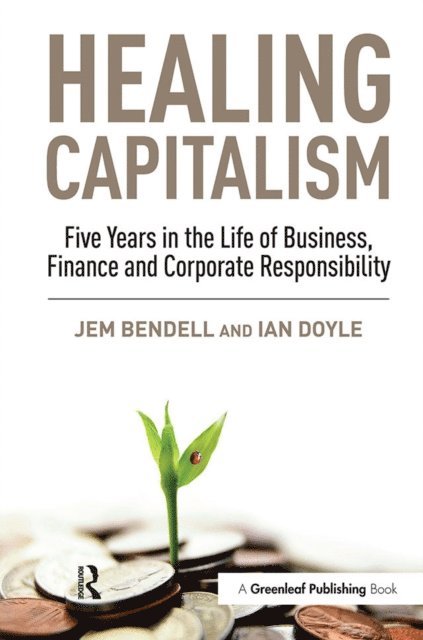
Healing Capitalism
Five Years in the Life of Business, Finance and Corporate Responsibility
Av Ian Doyle, Jem Bendell
E-bok, 2017
1569 kr
Lägg i varukorg
The global response from business to social and environmental issues during the past decade has created a corporate responsibility movement. But what has been the impact of this movement? The financial crisis that began in 2007 has led more and more people to question the fundamentals of our …
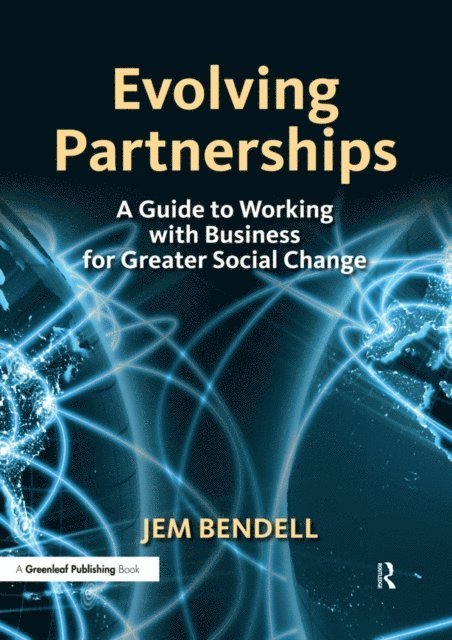
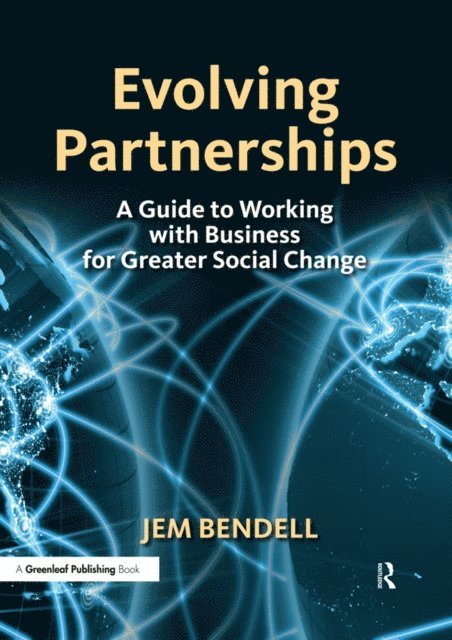
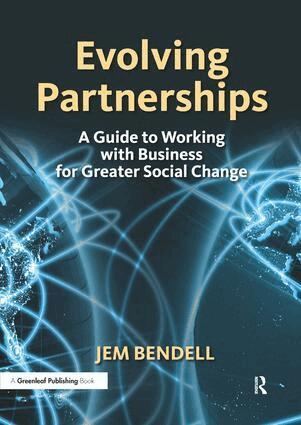
Evolving Partnerships
A Guide to Working with Business for Greater Social Change
Av Jem Bendell
E-bok, 2017
468 kr
Lägg i varukorg
By bringing together their respective competencies and resources for the greater good, governments, business, civil society and multilateral agencies have been seeking innovative ways to work together to respond to the myriad global challenges of our time: the impact of climate change; human …
Evolving Partnerships
A Guide to Working with Business for Greater Social Change
Av Jem Bendell
E-bok, 2017
468 kr
Lägg i varukorg
By bringing together their respective competencies and resources for the greater good, governments, business, civil society and multilateral agencies have been seeking innovative ways to work together to respond to the myriad global challenges of our time: the impact of climate change; human …
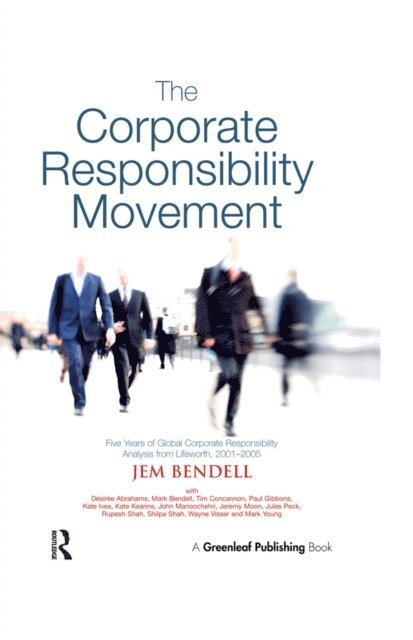
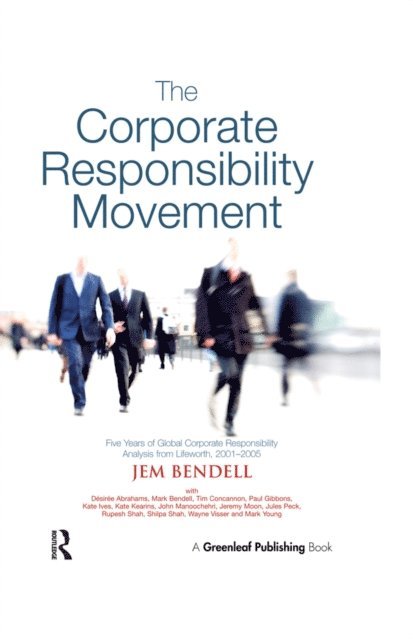
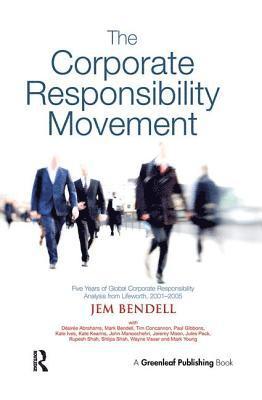
Corporate Responsibility Movement
Five Years of Global Corporate Responsibility Analysis from Lifeworth, 2001-2005
Av Jem Bendell
E-bok, 2017
2318 kr
Lägg i varukorg
Corporate social responsibility is now an established agenda for large companies, with a new profession emerging that engages in the social and environmental contribution of business. How has this agenda emerged over time? What were the key events and actors? How has this new "movement" of …
Corporate Responsibility Movement
Five Years of Global Corporate Responsibility Analysis from Lifeworth, 2001-2005
Av Jem Bendell
E-bok, 2017
2318 kr
Lägg i varukorg
Corporate social responsibility is now an established agenda for large companies, with a new profession emerging that engages in the social and environmental contribution of business. How has this agenda emerged over time? What were the key events and actors? How has this new "movement" of …
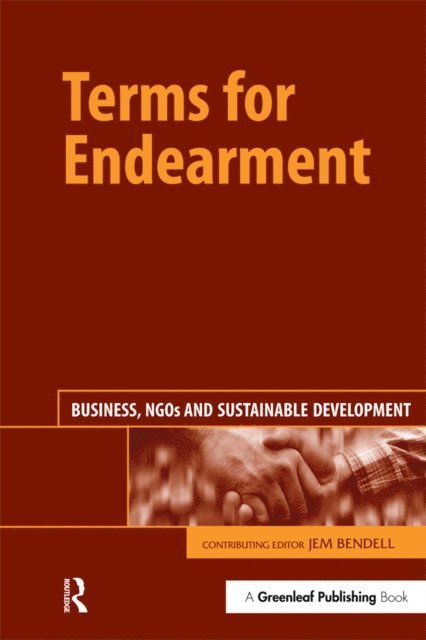
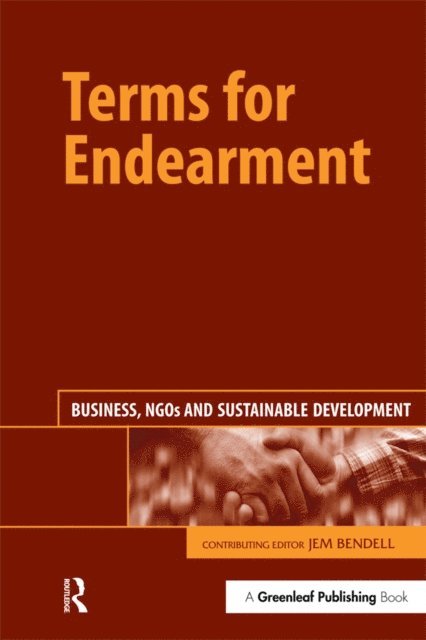
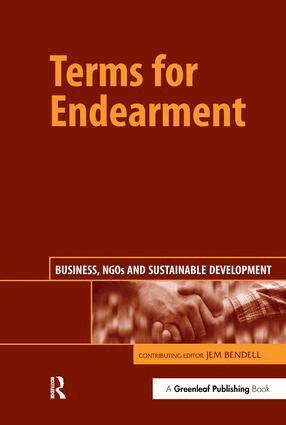
Terms for Endearment
Business, NGOs and Sustainable Development
Av Jem Bendell
E-bok, 2017
678 kr
Lägg i varukorg
Business and NGOs are seen by many to be locked in a perpetual war of values and ideologies. What this book demonstrates is that the war has moved on. Many companies are now engaging with their stakeholders – even those with which they have traditionally had antagonistic relationships – as part …
Terms for Endearment
Business, NGOs and Sustainable Development
Av Jem Bendell
E-bok, 2017
663 kr
Lägg i varukorg
Business and NGOs are seen by many to be locked in a perpetual war of values and ideologies. What this book demonstrates is that the war has moved on. Many companies are now engaging with their stakeholders – even those with which they have traditionally had antagonistic relationships – as part …
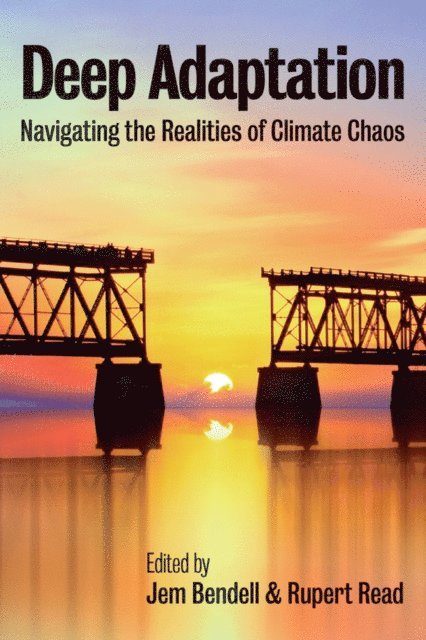
Deep Adaptation
Navigating the Realities of Climate Chaos
Av Jem, Bendell, Jem Bendell m. fl.
Inbunden, 2021
993 kr
Lägg i varukorg
‘Deep adaptation’ refers to the personal and collective changes that might help us to prepare for – and live with – a climate-influenced breakdown or collapse of our societies. It is a framework for responding to the terrifying realization of increasing disruption by committing ourselves to …
Deep Adaptation
Navigating the Realities of Climate Chaos
E-bok, 2021
245 kr
Lägg i varukorg
‘Deep adaptation’ refers to the personal and collective changes that might help us to prepare for – and live with – a climate-influenced breakdown or collapse of our societies. It is a framework for responding to the terrifying realization of increasing disruption by committing ourselves to …
Terms for Endearment
Business, NGOs and Sustainable Development
Av Jem Bendell
Inbunden, 2000
1229 kr
Lägg i varukorg
Business and NGOs are seen by many to be locked in a perpetual war of values and ideologies. What this book demonstrates is that the war has moved on. Many companies are now engaging with their stakeholders – even those with which they have traditionally had antagonistic relationships – as part of …
Terms for Endearment
Business, NGOs and Sustainable Development
Av Jem Bendell
Häftad, 2000
560 kr
Lägg i varukorg
Business and NGOs are seen by many to be locked in a perpetual war of values and ideologies. What this book demonstrates is that the war has moved on. Many companies are now engaging with their stakeholders – even those with which they have traditionally had antagonistic relationships – as part of …
Corporate Responsibility Movement
Five Years of Global Corporate Responsibility Analysis from Lifeworth, 2001-2005
Häftad, 2009
1956 kr
Lägg i varukorg
Corporate social responsibility is now an established agenda for large companies, with a new profession emerging that engages in the social and environmental contribution of business. How has this agenda emerged over time? What were the key events and actors? How has this new "movement" of …
Evolving Partnerships
A Guide to Working with Business for Greater Social Change
Av Jem Bendell
Häftad, 2011
472 kr
Lägg i varukorg
By bringing together their respective competencies and resources for the greater good, governments, business, civil society and multilateral agencies have been seeking innovative ways to work together to respond to the myriad global challenges of our time: the impact of climate change; human …
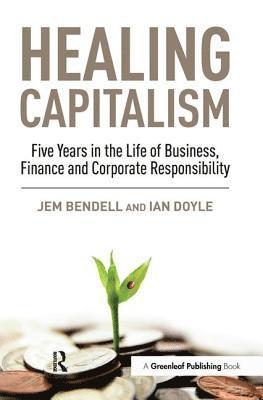
Healing Capitalism
Five Years in the Life of Business, Finance and Corporate Responsibility
Av Jem Bendell, Ian Doyle
Häftad, 2014
1326 kr
Lägg i varukorg
The global response from business to social and environmental issues during the past decade has created a corporate responsibility movement. But what has been the impact of this movement? The financial crisis that began in 2007 has led more and more people to question the fundamentals of our …
Healing Capitalism
Five Years in the Life of Business, Finance and Corporate Responsibility
Av Jem Bendell, Ian Doyle
Inbunden, 2014
2585 kr
Lägg i varukorg
The global response from business to social and environmental issues during the past decade has created a corporate responsibility movement. But what has been the impact of this movement? The financial crisis that began in 2007 has led more and more people to question the fundamentals of our …