Jenna M. Gibbs – författare
2 179 kr
Skickas inom 10-15 vardagar
679 kr
Skickas inom 10-15 vardagar
779 kr
Läs direkt efter köp
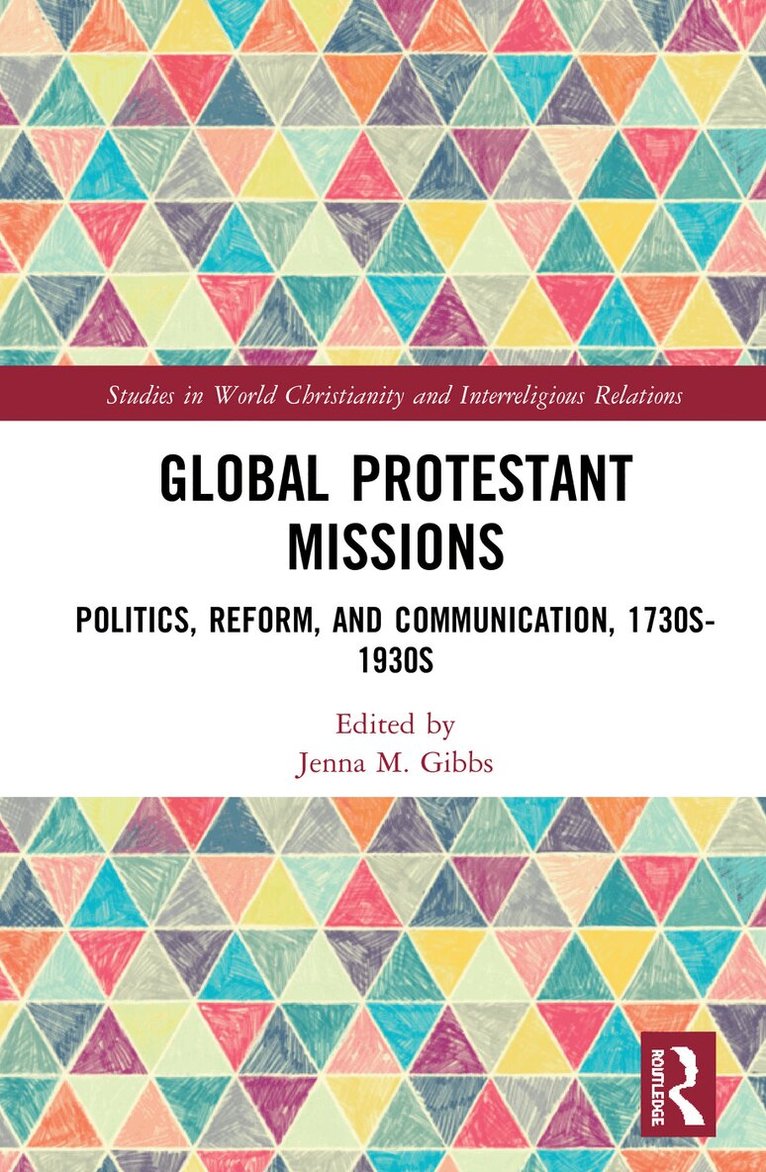
The book investigates facets of global Protestantism through Anglican, Quaker, Episcopalian, Moravian, Lutheran Pietist, and Pentecostal missions to enslaved and indigenous peoples and political reform endeavours in a global purview that spans the 1730s to the 1930s. The book uses key examples to trace both the local and the global impacts of this multi-denominational Christian movement.
The essays in this volume explore three of the critical ways in which Protestant communities were established and became part of a worldwide network: the founding of far-flung missions in which Western missionaries worked alongside enslaved and indigenous converts; the interface between Protestant outreach and political reform endeavours such as abolitionism; and the establishment of a global epistolary through print communication networks.
Demonstrating how Protestantism came to be both global and ecumenical, this book will be a key resource for scholars of religious history, religion and politics, and missiology as well as those interested in issues of postcolonialism and imperialism.
779 kr
Läs direkt efter köp
The book investigates facets of global Protestantism through Anglican, Quaker, Episcopalian, Moravian, Lutheran Pietist, and Pentecostal missions to enslaved and indigenous peoples and political reform endeavours in a global purview that spans the 1730s to the 1930s. The book uses key examples to trace both the local and the global impacts of this multi-denominational Christian movement.
The essays in this volume explore three of the critical ways in which Protestant communities were established and became part of a worldwide network: the founding of far-flung missions in which Western missionaries worked alongside enslaved and indigenous converts; the interface between Protestant outreach and political reform endeavours such as abolitionism; and the establishment of a global epistolary through print communication networks.
Demonstrating how Protestantism came to be both global and ecumenical, this book will be a key resource for scholars of religious history, religion and politics, and missiology as well as those interested in issues of postcolonialism and imperialism.
765 kr
Läs direkt efter köp
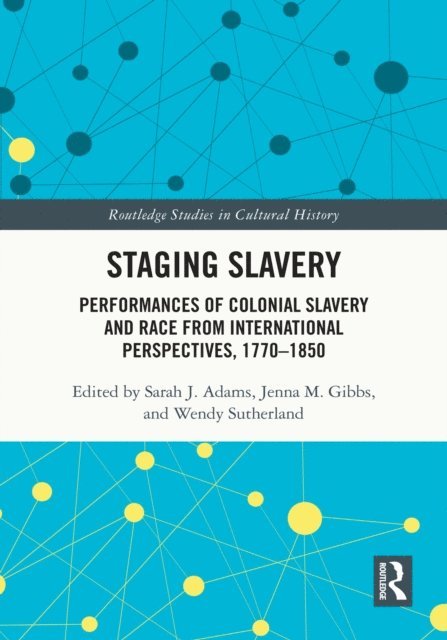
This international analysis of theatrical case studies illustrates the ways that theater was an arena both of protest and, simultaneously, racist and imperialist exploitations of the colonized and enslaved body.
By bringing together performances and discussions of theater culture from various colonial powers and orbits—ranging from Denmark and France to Great Britain and Brazil—this book explores the ways that slavery and hierarchical notions of "race" and "civilization" manifested around the world. At the same time, against the backdrop of colonial violence, the theater was a space that also facilitated reformist protest and served as evidence of the agency of Black people in revolt. Staging Slavery considers the implications of both white-penned productions of race and slavery performed by white actors in blackface makeup and Black counter-theater performances and productions that resisted racist structures, on and off the stage.
With unique geographical perspectives, this volume is a useful resource for undergraduates, graduates, and researchers in the history of theater, nationalism and imperialism, race and slavery, and literature.
765 kr
Läs direkt efter köp
This international analysis of theatrical case studies illustrates the ways that theater was an arena both of protest and, simultaneously, racist and imperialist exploitations of the colonized and enslaved body.
By bringing together performances and discussions of theater culture from various colonial powers and orbits—ranging from Denmark and France to Great Britain and Brazil—this book explores the ways that slavery and hierarchical notions of "race" and "civilization" manifested around the world. At the same time, against the backdrop of colonial violence, the theater was a space that also facilitated reformist protest and served as evidence of the agency of Black people in revolt. Staging Slavery considers the implications of both white-penned productions of race and slavery performed by white actors in blackface makeup and Black counter-theater performances and productions that resisted racist structures, on and off the stage.
With unique geographical perspectives, this volume is a useful resource for undergraduates, graduates, and researchers in the history of theater, nationalism and imperialism, race and slavery, and literature.
2 027 kr
Skickas inom 10-15 vardagar
599 kr
Skickas inom 10-15 vardagar
678 kr
Skickas inom 5-8 vardagar