
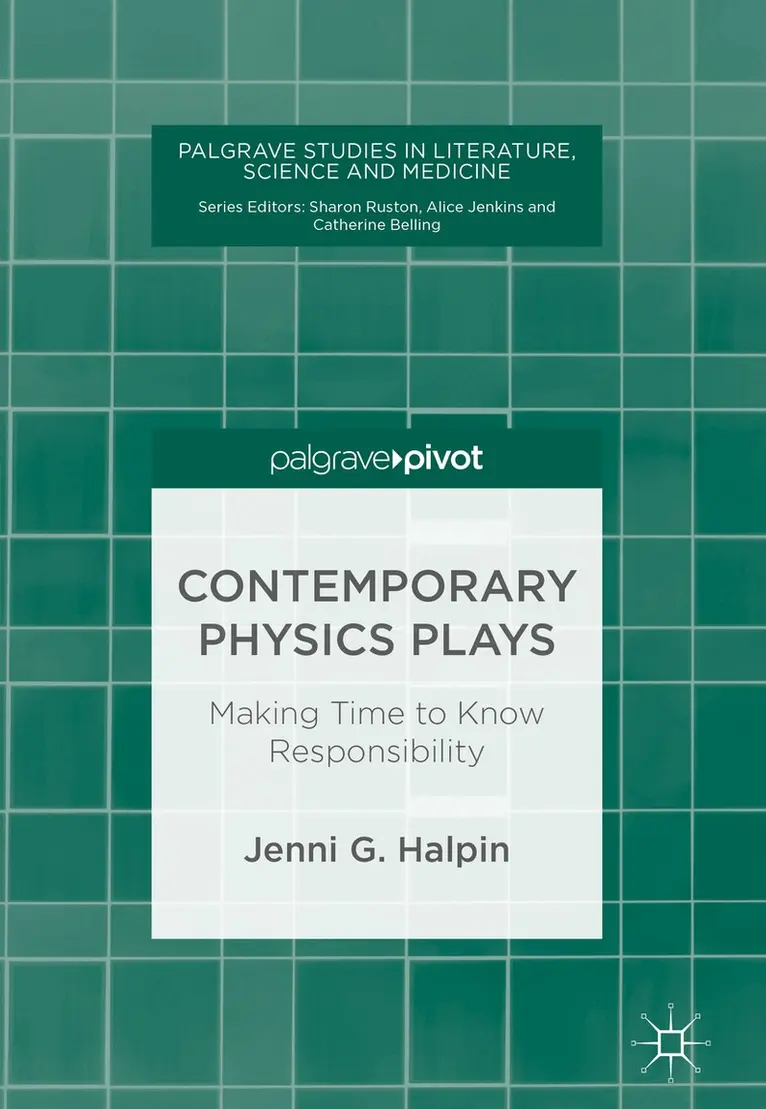
This book analyzes recent physics plays, arguing that their enaction of concepts from the sciences they discuss alters the nature of the decisions made by the characters, changing the ethical judgements that might be cast on them. Recent physics plays regularly alter the shape of space-time itself, drawing together disparate moments, reversing the flow of time, creating apparent contradictions, and iterating scenes for multiple branches of counterfactual history. With these changes both causality and responsibility shift, variously. The roles of iconic scientists, such as Albert Einstein and Werner Heisenberg, are interrogated for their dramatic value, placing history and dramatic license in tension. Cold War strategies and the limits of espionage highlight the emphatically personal involvement of ordinary individuals. This study is vital reading for those interested in physics plays and the relationship between the sciences and the humanities.
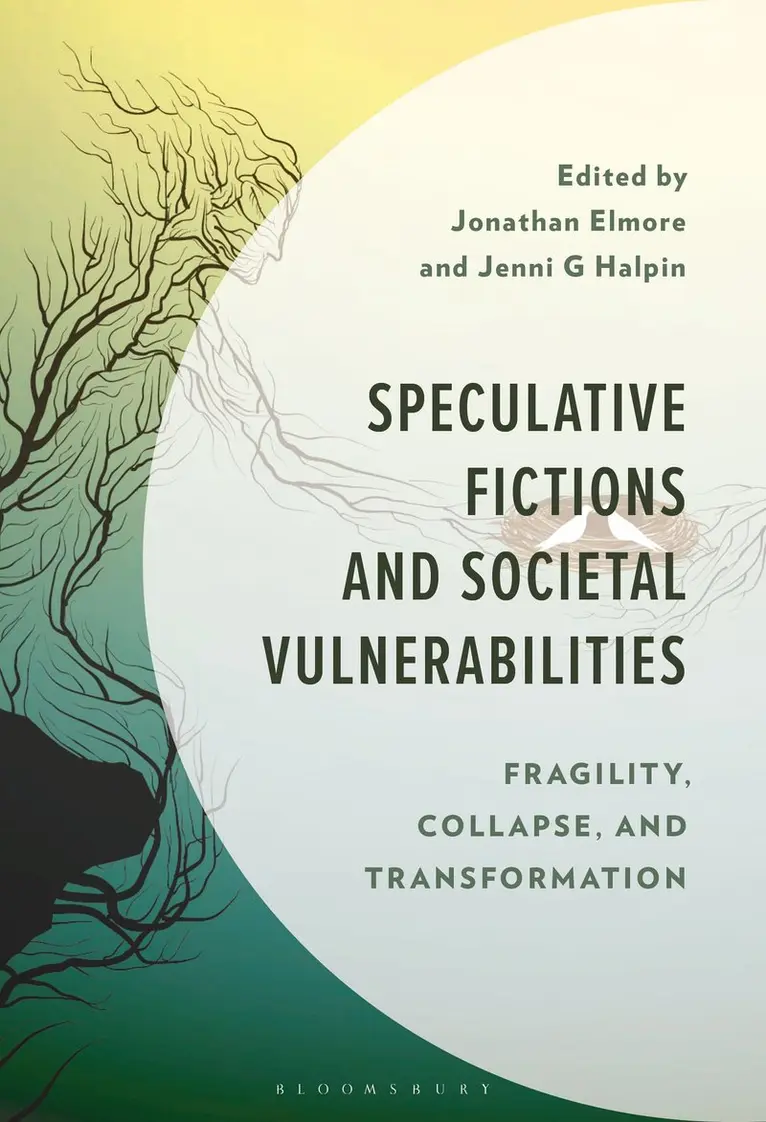
This collection critically explores the inherent fragilities within global political, social, and ecological systems that were exposed and amplified by the world's response to the COVID-19 pandemic. Contributors from around the globe argue the response laid bare vulnerabilities in our social structures such as authoritarianism, nationalism, racism, colonialism, and labor exploitation—systems that disproportionately harm the most vulnerable during moments of crisis. These societal fragilities not only brought new attention to vulnerabilities but also highlighted divergent paths of possibility away from then-familiar and entrenched social and environmental narratives and practices.The collection is a critique of the “returning to normal" narrative, arguing that the future must be shaped from the present moment. Contributors argue speculative fiction is a powerful tool for imagining and exploring alternatives to current societal paradigms—enabling us to envision futures that are more just, resilient, interconnected, and environmentally sustainable. These narratives serve both as warnings and as blueprints, reflecting the imagination’s long-standing role in challenging societal norms and proposing new social and environmental models.Drawing on the tools of postcolonial studies, digital media analysis, posthumanism, environmental studies, and epistemology, contributors unfold speculative fictions in multiple media, reimagining the social, environmental, cultural, and infrastructural vulnerabilities so commonly narrated in SF as opportunities to envision living in ways that are more equitable, sustainable, and peaceful.
This book analyzes recent physics plays, arguing that their enaction of concepts from the sciences they discuss alters the nature of the decisions made by the characters, changing the ethical judgements that might be cast on them. Recent physics plays regularly alter the shape of space-time itself, drawing together disparate moments, reversing the flow of time, creating apparent contradictions, and iterating scenes for multiple branches of counterfactual history. With these changes both causality and responsibility shift, variously. The roles of iconic scientists, such as Albert Einstein and Werner Heisenberg, are interrogated for their dramatic value, placing history and dramatic license in tension. Cold War strategies and the limits of espionage highlight the emphatically personal involvement of ordinary individuals. This study is vital reading for those interested in physics plays and the relationship between the sciences and the humanities.
This collection critically explores the inherent fragilities within global political, social, and ecological systems that were exposed and amplified by the world's response to the COVID-19 pandemic. Contributors from around the globe argue the response laid bare vulnerabilities in our social structures such as authoritarianism, nationalism, racism, colonialism, and labor exploitation—systems that disproportionately harm the most vulnerable during moments of crisis. These societal fragilities not only brought new attention to vulnerabilities but also highlighted divergent paths of possibility away from then-familiar and entrenched social and environmental narratives and practices.The collection is a critique of the “returning to normal" narrative, arguing that the future must be shaped from the present moment. Contributors argue speculative fiction is a powerful tool for imagining and exploring alternatives to current societal paradigms—enabling us to envision futures that are more just, resilient, interconnected, and environmentally sustainable. These narratives serve both as warnings and as blueprints, reflecting the imagination’s long-standing role in challenging societal norms and proposing new social and environmental models.Drawing on the tools of postcolonial studies, digital media analysis, posthumanism, environmental studies, and epistemology, contributors unfold speculative fictions in multiple media, reimagining the social, environmental, cultural, and infrastructural vulnerabilities so commonly narrated in SF as opportunities to envision living in ways that are more equitable, sustainable, and peaceful.