Jens Norskov – författare
1 069 kr
Läs direkt efter köp
1 017 kr
Skickas inom 10-15 vardagar
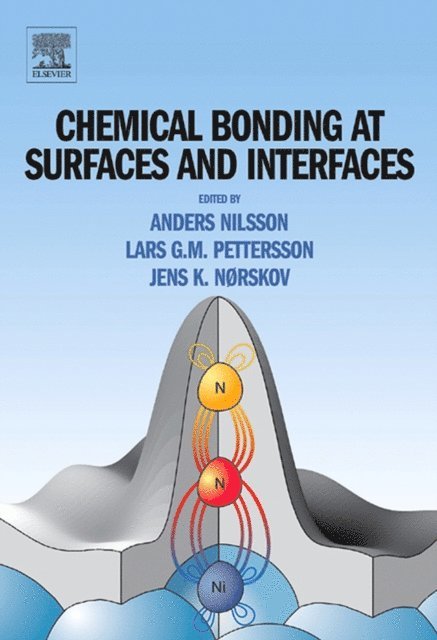
Molecular surface science has made enormous progress in the past 30 years. The development can be characterized by a revolution in fundamental knowledge obtained from simple model systems and by an explosion in the number of experimental techniques. The last 10 years has seen an equally rapid development of quantum mechanical modeling of surface processes using Density Functional Theory (DFT).
Chemical Bonding at Surfaces and Interfaces focuses on phenomena and concepts rather than on experimental or theoretical techniques. The aim is to provide the common basis for describing the interaction of atoms and molecules with surfaces and this to be used very broadly in science and technology.
The book begins with an overview of structural information on surface adsorbates and discusses the structure of a number of important chemisorption systems. Chapter 2 describes in detail the chemical bond between atoms or molecules and a metal surface in the observed surface structures. A detailed description of experimental information on the dynamics of bond-formation and bond-breaking at surfaces make up Chapter 3. Followed by an in-depth analysis of aspects of heterogeneous catalysis based on the d-band model. In Chapter 5 adsorption and chemistry on the enormously important Si and Ge semiconductor surfaces are covered. In the remaining two Chapters the book moves on from solid-gas interfaces and looks at solid-liquid interface processes. In the final chapter an overview is given of the environmentally important chemical processes occurring on mineral and oxide surfaces in contact with water and electrolytes.
Gives examples of how modern theoretical DFT techniques can be used to design heterogeneous catalysts This book suits the rapid introduction of methods and concepts from surface science into a broad range of scientific disciplines where the interaction between a solid and the surrounding gas or liquid phase is an essential component Shows how insight into chemical bonding at surfaces can be applied to a range of scientific problems in heterogeneous catalysis, electrochemistry, environmental science and semiconductor processing Provides both the fundamental perspective and an overview of chemical bonding in terms of structure, electronic structure and dynamics of bond rearrangements at surfacesFuel Cell Science
Theory, Fundamentals, and Biocatalysis
2 125 kr
Skickas inom 5-8 vardagar
2 381 kr
Läs direkt efter köp
A comprehensive survey of theoretical andexperimental concepts in fuel cell chemistry
Fuel cell science is undergoing significant development, thanks, in part, to a spectacular evolution of the electrocatalysis concepts, and both new theoretical and experimental methods. Responding to the need for a definitive guide to the field, Fuel Cell Science provides an up-to-date, comprehensive compendium of both theoretical and experimental aspects of the field.
Designed to inspire scientists to think about the future of fuel cell technology, Fuel Cell Science addresses the emerging field of bio-electrocatalysis and the theory of heterogeneous reactions in fuel cell science and proposes potential applications for electrochemical energy production. The book is thorough in its coverage of the electron transfer process and structure of the electric double layer, as well as the development of operando measurements. Among other subjects, chapters describe:
Recently developed strategies for the design, preparation, and characterization of catalytic materials for fuel cell electrodes, especially for new fuel cell cathodes
A wide spectrum of theoretical and computational methods, with?the aim of?developing?new fuel cell catalysis concepts and improving existing designs to increase their performance.?
Edited by two leading faculty, the book:
Addresses the emerging fields of bio-electrocatalysis for fuel cells and theory of heterogeneous reactions for use in fuel cell catalysis
Provides a survey of experimental and theoretical concepts in these new fields
Shows the evolution of electrocatalysis concepts
Describes the chemical physics of fuel cell reactions
Forecasts future developments in electrochemical energy production and conversion
Written for electrochemists and electrochemistry graduate students, electrocatalysis researchers, surface and physical chemists, chemical engineers, automotive engineers, and fuel cell and energy-related researchers, this modern compendium can help today''s best minds meet the challenges in fuel science technology.
2 412 kr
Läs direkt efter köp
A comprehensive survey of theoretical andexperimental concepts in fuel cell chemistry
Fuel cell science is undergoing significant development, thanks, in part, to a spectacular evolution of the electrocatalysis concepts, and both new theoretical and experimental methods. Responding to the need for a definitive guide to the field, Fuel Cell Science provides an up-to-date, comprehensive compendium of both theoretical and experimental aspects of the field.
Designed to inspire scientists to think about the future of fuel cell technology, Fuel Cell Science addresses the emerging field of bio-electrocatalysis and the theory of heterogeneous reactions in fuel cell science and proposes potential applications for electrochemical energy production. The book is thorough in its coverage of the electron transfer process and structure of the electric double layer, as well as the development of operando measurements. Among other subjects, chapters describe:
Recently developed strategies for the design, preparation, and characterization of catalytic materials for fuel cell electrodes, especially for new fuel cell cathodes
A wide spectrum of theoretical and computational methods, with?the aim of?developing?new fuel cell catalysis concepts and improving existing designs to increase their performance.?
Edited by two leading faculty, the book:
Addresses the emerging fields of bio-electrocatalysis for fuel cells and theory of heterogeneous reactions for use in fuel cell catalysis
Provides a survey of experimental and theoretical concepts in these new fields
Shows the evolution of electrocatalysis concepts
Describes the chemical physics of fuel cell reactions
Forecasts future developments in electrochemical energy production and conversion
Written for electrochemists and electrochemistry graduate students, electrocatalysis researchers, surface and physical chemists, chemical engineers, automotive engineers, and fuel cell and energy-related researchers, this modern compendium can help today''s best minds meet the challenges in fuel science technology.