Jeremy Carr - Böcker
Visar alla böcker från författaren Jeremy Carr. Handla med fri frakt och snabb leverans.
4 produkter
4 produkter
1 422 kr
Skickas inom 7-10 vardagar
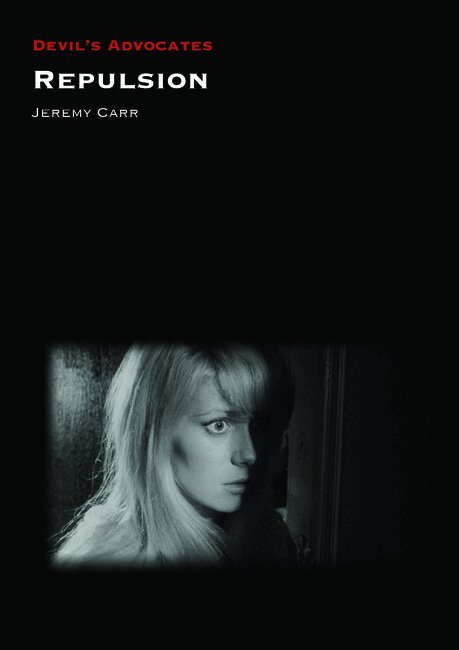
Roman Polanski’s Repulsion (1965), starring Catherine Deneuve as a repressed and tormented manicurist, is a gripping, visually inventive descent into paranoia and self-destructive alienation. Emblematic of recurrent Polanski motifs, evinced in his student short films, in his striking debut feature, Knife in the Water (1962), and in subsequent features like Death and the Maiden (1994), Repulsion is a tour de force examination of crippling anxiety and the sinister potency of inanimate objects. Repulsion amplifies the realm of psychological horror by evoking the seething impact of increasing delusion, literal and figurative seclusion, and the consequences of one woman’s foreboding sensitivity to the unsettling world that surrounds her.This Devil’s Advocate considers Repulsion within the context of familiar horror tropes and the prevailing qualities of Polanski’s broader oeuvre. Drawing on the research of Sigmund Freud, Julia Kristeva, Barbara Creed and others, concerning issues of abjection, the ‘monstrous-feminine’, and the psychology of horror spectatorship, this text focuses on central themes of isolation, sexuality and setting. Bookended by introductory biographical details and concluding with a roundup of the film’s reception, Jeremy Carr situates Repulsion within the horror genre at large as well as its various off-shoots, such as the rape/revenge subgenre. There is also an analysis of the film’s technical qualities, from its sound design to its brilliantly low-key special effects, all of which define the film as Polanski’s most audaciously stylish realisation of dread and unease.
352 kr
Skickas inom 7-10 vardagar
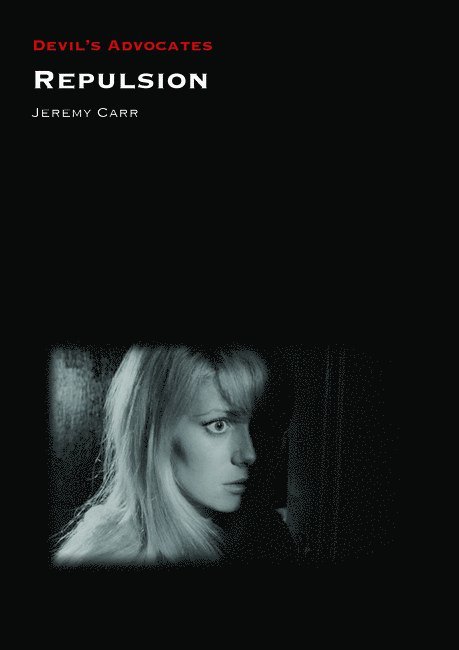
Roman Polanski’s Repulsion (1965), starring Catherine Deneuve as a repressed and tormented manicurist, is a gripping, visually inventive descent into paranoia and self-destructive alienation. Emblematic of recurrent Polanski motifs, evinced in his student short films, in his striking debut feature, Knife in the Water (1962), and in subsequent features like Death and the Maiden (1994), Repulsion is a tour de force examination of crippling anxiety and the sinister potency of inanimate objects. Repulsion amplifies the realm of psychological horror by evoking the seething impact of increasing delusion, literal and figurative seclusion, and the consequences of one woman’s foreboding sensitivity to the unsettling world that surrounds her.This Devil’s Advocate considers Repulsion within the context of familiar horror tropes and the prevailing qualities of Polanski’s broader oeuvre. Drawing on the research of Sigmund Freud, Julia Kristeva, Barbara Creed and others, concerning issues of abjection, the ‘monstrous-feminine’, and the psychology of horror spectatorship, this text focuses on central themes of isolation, sexuality and setting. Bookended by introductory biographical details and concluding with a roundup of the film’s reception, Jeremy Carr situates Repulsion within the horror genre at large as well as its various off-shoots, such as the rape/revenge subgenre. There is also an analysis of the film’s technical qualities, from its sound design to its brilliantly low-key special effects, all of which define the film as Polanski’s most audaciously stylish realisation of dread and unease.
Kubrick and Control
Authority, Order and Independence in the Films and Working Life of Stanley Kubrick
Inbunden, Engelska, 2023
1 979 kr
Skickas inom 7-10 vardagar
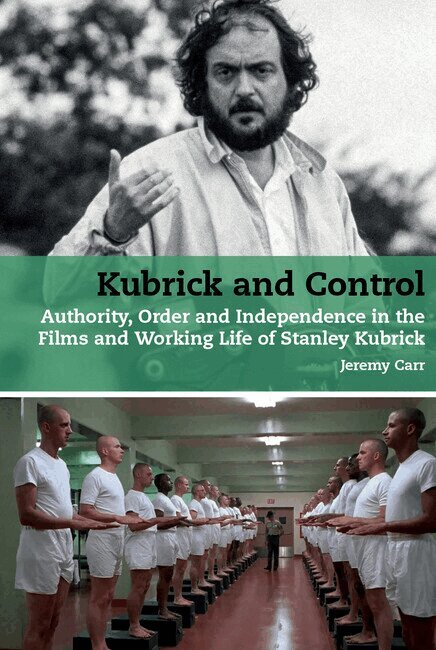
Kubrick and Control is an examination of authority, order, and independence in the films directed by Stanley Kubrick, as well as in his personal life and working habits. This study explores the ways in which these central preoccupations develop and reformulate through the course of Kubrick's career, as he moved from genre to genre and shifted stories, locations, time periods, scope, and technical facilities. Separating the productions in accordance to their wider filmic classifications, the individual chapters examine a variety of productions, allowing for a categorical as well as a developmental approach to the works. In addition, following concurrently with each individual film discussed, details about Kubrick's life and evolving directorial practice are recounted in relation to these same concerns. In studying the stylistic and narrative features of his work, examples illustrate how Kubrick took these themes and applied them consistently yet with significant variation, manifest in relation to mise-en-scène construction (how Kubrick composed his images); characterization (individuals establishing, exerting, seeking, and/or abusing their authority); narrative (stories about characters and situations dependent upon order and control); and the actual filmmaking processes of the director (Kubrick was both praised and damned for his authorial management and obsession with order and perfection).
Kubrick and Control
Authority, Order and Independence in the Films and Working Life of Stanley Kubrick
Häftad, Engelska, 2026
457 kr
Skickas inom 7-10 vardagar
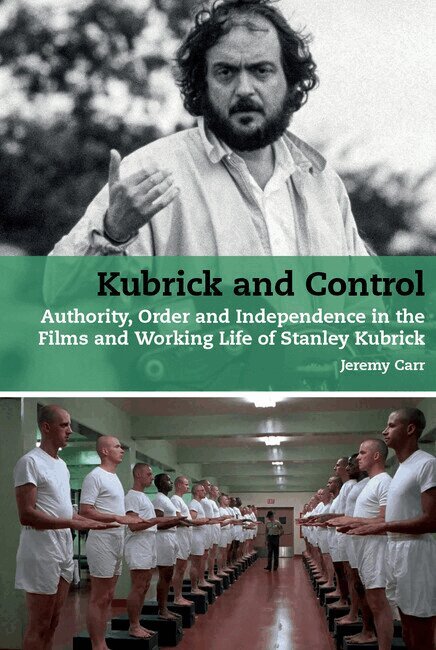
Kubrick and Control is an examination of authority, order, and independence in the films directed by Stanley Kubrick, as well as in his personal life and working habits. This study explores the ways in which these central preoccupations develop and reformulate through the course of Kubrick's career, as he moved from genre to genre and shifted stories, locations, time periods, scope, and technical facilities. Separating the productions in accordance to their wider filmic classifications, the individual chapters examine a variety of productions, allowing for a categorical as well as a developmental approach to the works. In addition, following concurrently with each individual film discussed, details about Kubrick's life and evolving directorial practice are recounted in relation to these same concerns. In studying the stylistic and narrative features of his work, examples illustrate how Kubrick took these themes and applied them consistently yet with significant variation, manifest in relation to mise-en-scène construction (how Kubrick composed his images); characterization (individuals establishing, exerting, seeking, and/or abusing their authority); narrative (stories about characters and situations dependent upon order and control); and the actual filmmaking processes of the director (Kubrick was both praised and damned for his authorial management and obsession with order and perfection).