Jeremy DeSilva – författare
Visar alla böcker från författaren Jeremy DeSilva. Handla med fri frakt och snabb leverans.
10 produkter
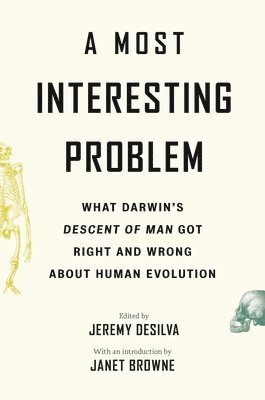
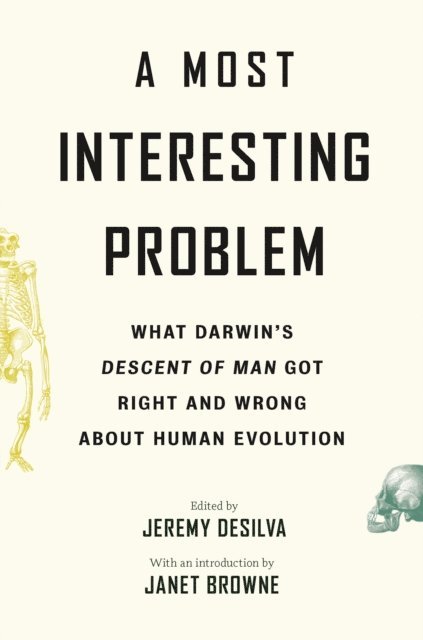
Most Interesting Problem
What Darwin’s Descent of Man Got Right and Wrong about Human Evolution
Inbunden, 2021
245 kr
Lägg i varukorg
Leading scholars take stock of Darwin's ideas about human evolution in the light of modern scienceIn 1871, Charles Darwin published The Descent of Man, a companion to Origin of Species in which he attempted to explain human evolution, a topic he called "the highest and most interesting problem for …
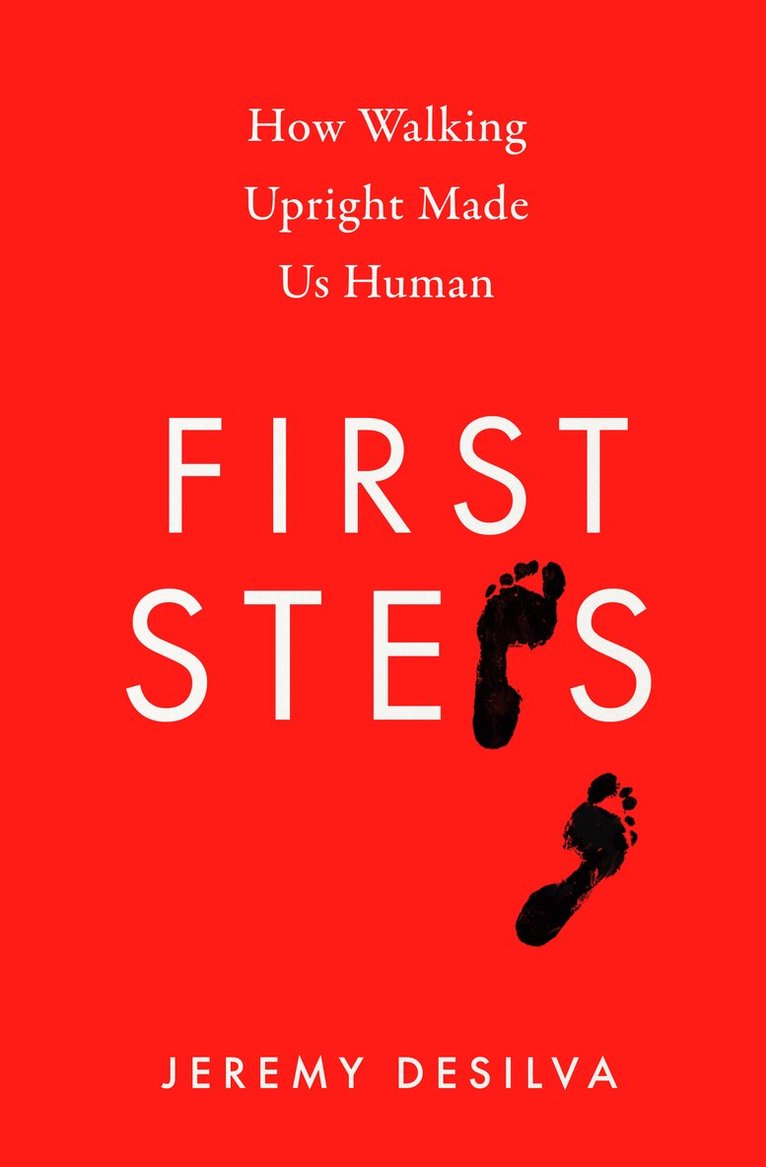
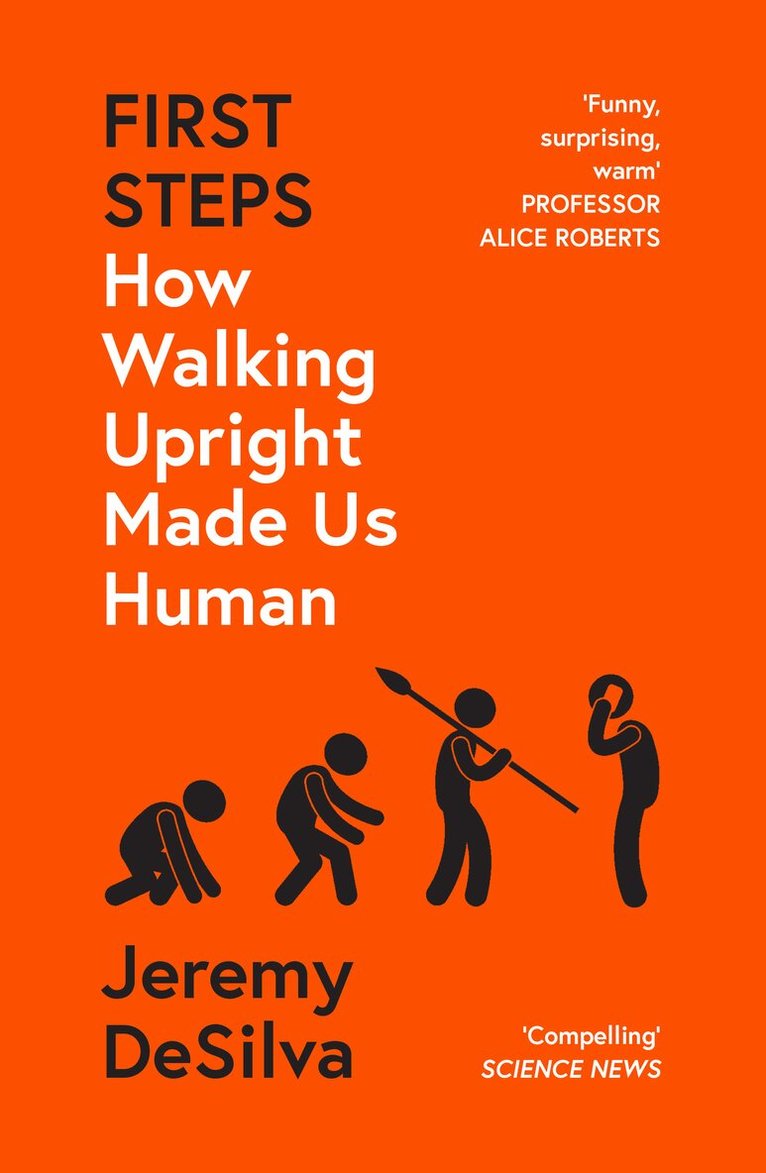
First Steps
How Walking Upright Made Us Human
Inbunden, 2021
235 kr
Lägg i varukorg
Humans are the only mammals to walk on two, rather than four, legs. From an evolutionary perspective, this is an illogical development, as it slows us down. But here we are, suggesting there must have been something tremendous to gain from bipedalism. First Steps takes our ordinary, everyday …
First Steps
How Walking Upright Made Us Human
E-bok, 2021
88 kr
Lägg i varukorg
Humans are the only mammals to walk on two, rather than four, legs. From an evolutionary perspective, this is an illogical development, as it slows us down. But here we are, suggesting there must have been something tremendous to gain from bipedalism. First Steps takes our ordinary, everyday …
First Steps
How Walking Upright Made Us Human
Ljudbok, 2021
221 kr
Lägg i varukorg
Humans are the only mammals to walk on two, rather than four, legs. From an evolutionary perspective, this is an illogical development, as it slows us down. But here we are, suggesting there must have been something tremendous to gain from bipedalism.First Steps takes our ordinary, everyday walking …
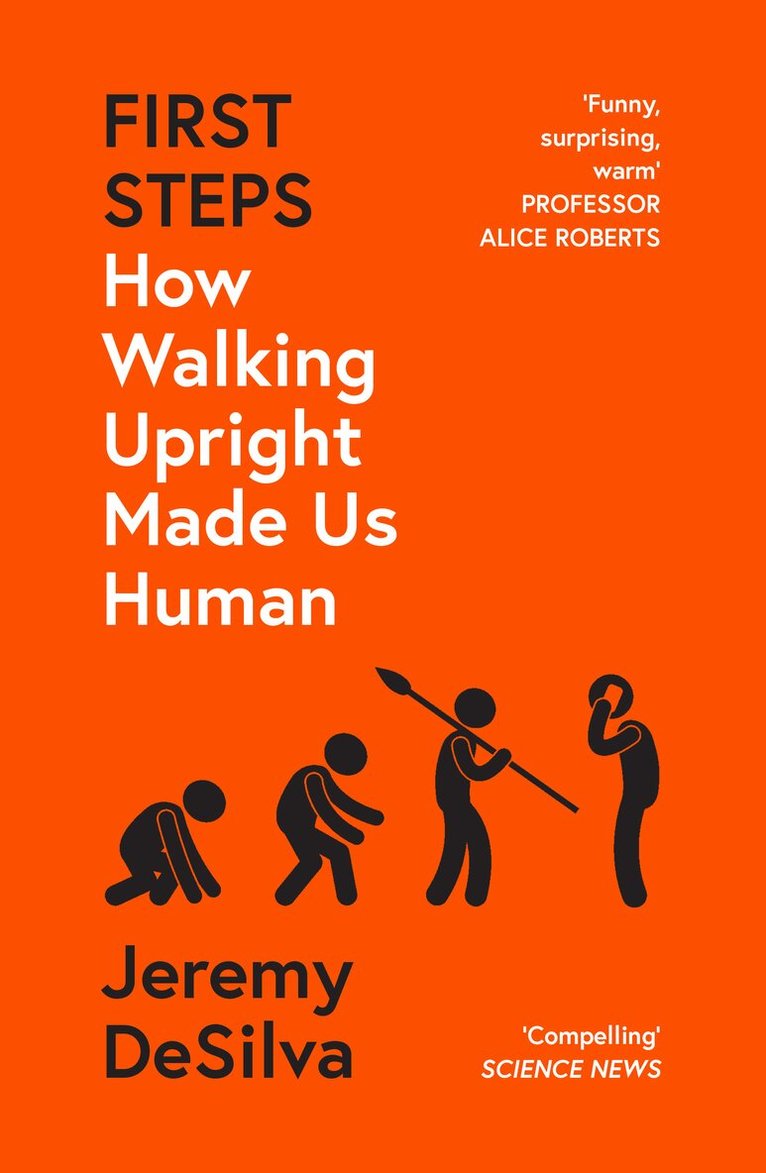
First Steps
How Walking Upright Made Us Human
Häftad, 2022
133 kr
Lägg i varukorg
Humans are the only mammals to walk on two, rather than four, legs. From an evolutionary perspective, this is an illogical development, as it slows us down. But here we are, suggesting there must have been something tremendous to gain from bipedalism. First Steps takes our ordinary, everyday …
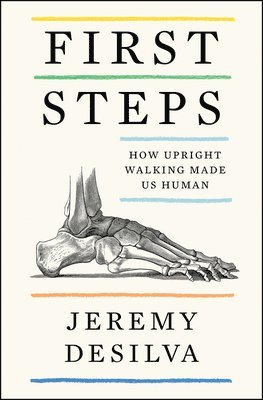
First Steps
How Upright Walking Made Us Human
Häftad, 2022
176 kr
Lägg i varukorg
Winner of the W.W. Howells Book Prize from the American Anthropological Association and named one of the best science books of 2021 by Science News “DeSilva takes us on a brilliant, fun, and scientifically deep stroll through history, anatomy, and evolution, in order to illustrate the powerful …
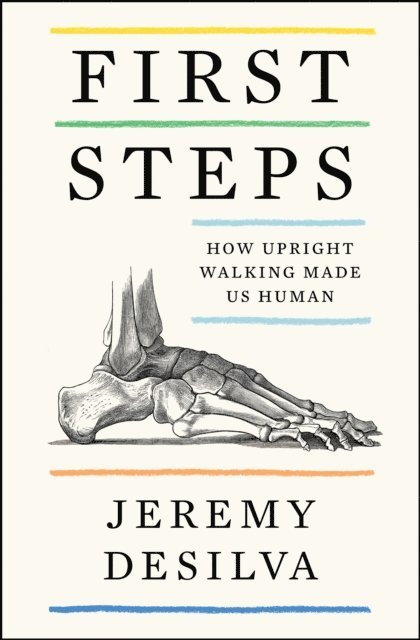
First Steps
How Upright Walking Made Us Human
E-bok, 2021
113 kr
Lägg i varukorg
A Science News Best Science Book of the Year: "A brilliant, fun, and scientifically deep stroll through history, anatomy, and evolution." —Agustín Fuentes, PhD, author of The Creative Spark: How Imagination Made Humans ExceptionalWinner of the W.W. Howells Book Prize from the American …
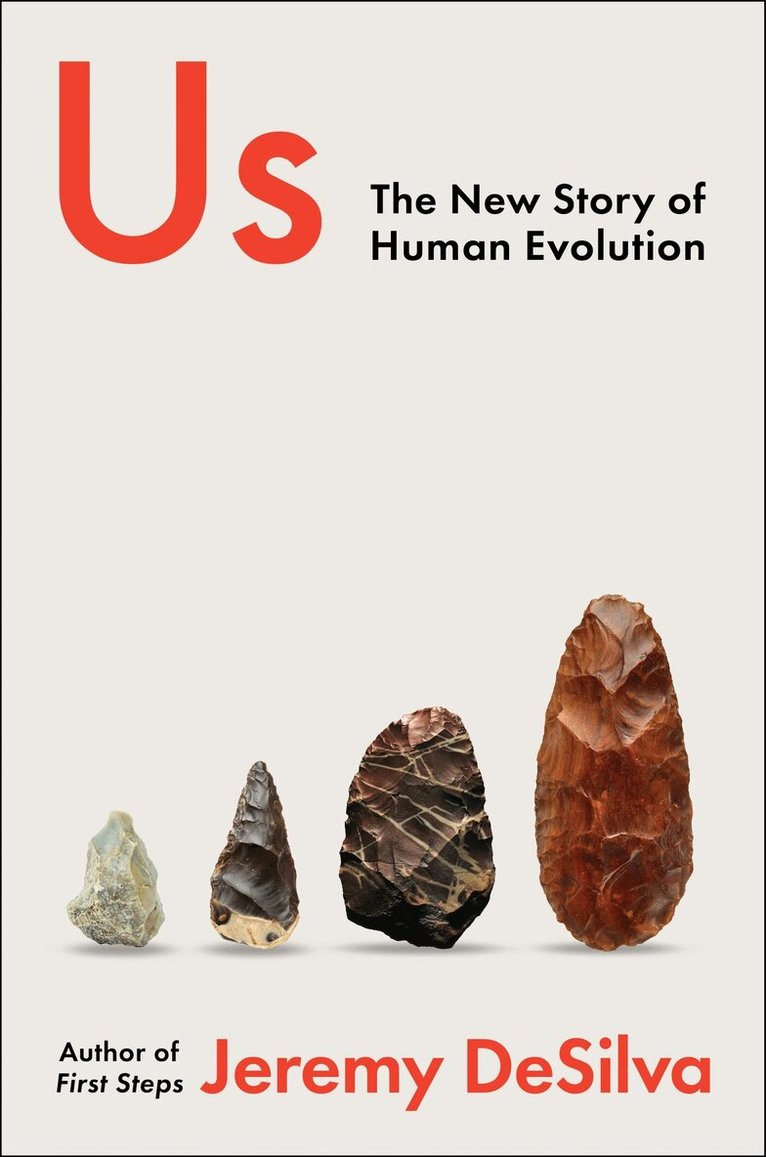
Us
The New Story of Human Evolution
Inbunden, 2027
247 kr
Kommande
“The best book on human evolution this century." —Agustín Fuentes, author of The Creative SparkThe award-winning author of First Steps returns with a revelatory tour of the latest scientific discoveries in paleontology and archaeology to challenge the idea of human exceptionalism, presenting a more …
Most Interesting Problem
What Darwin’s Descent of Man Got Right and Wrong about Human Evolution
E-bok, 2021
251 kr
Lägg i varukorg
Leading scholars take stock of Darwin''s ideas about human evolution in the light of modern science In 1871, Charles Darwin published The Descent of Man , a companion to Origin of Species in which he attempted to explain human evolution, a topic he called "the highest and most interesting problem …
Most Interesting Problem
What Darwin’s Descent of Man Got Right and Wrong about Human Evolution
Häftad, 2022
194 kr
Lägg i varukorg
Leading scholars take stock of Darwin's ideas about human evolution in the light of modern scienceIn 1871, Charles Darwin published The Descent of Man, a companion to Origin of Species in which he attempted to explain human evolution, a topic he called "the highest and most interesting problem for …