Jeremy Lawrance – författare
Visar alla böcker från författaren Jeremy Lawrance. Handla med fri frakt och snabb leverans.
3 produkter
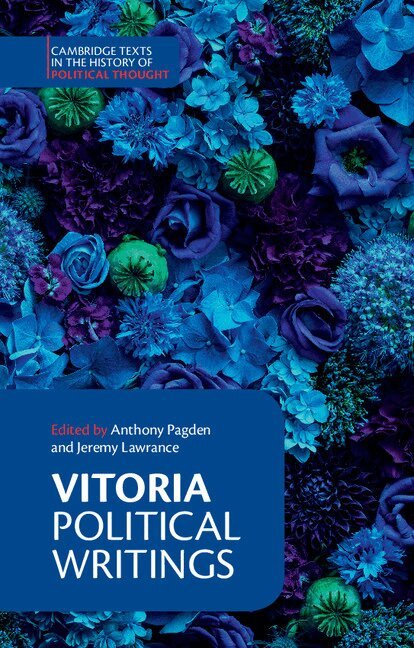
Vitoria: Political Writings
Av Francisco de Vitoria, Anthony Pagden m. fl.
Häftad, 1991
439 kr
Lägg i varukorg
Francisco Vitoria was the earliest and arguably the most important of the Thomist political philosophers of the Counter-Reformation. Not only did he write important essays on civil and ecclesiastical power, but he became celebrated for his defence of the new world Indians against the imperialism of …
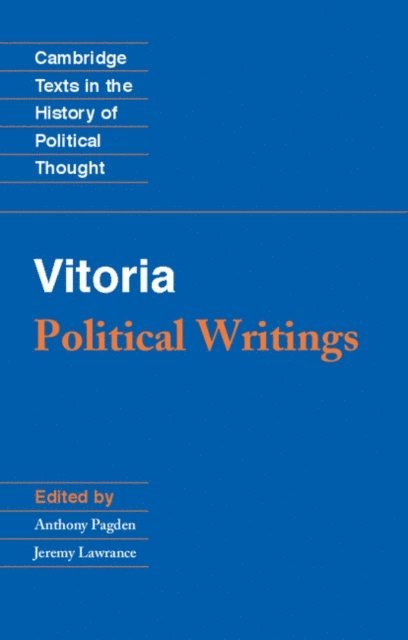
Vitoria: Political Writings
Av Francisco de Vitoria, Jeremy Lawrance m. fl.
E-bok, 1991
473 kr
Lägg i varukorg
Francisco Vitoria was the earliest and arguably the most important of the Thomist political philosophers of the Counter-Reformation. Not only did he write important essays on civil and ecclesiastical power, but he became celebrated for his defence of the new world Indians against the imperialism of …
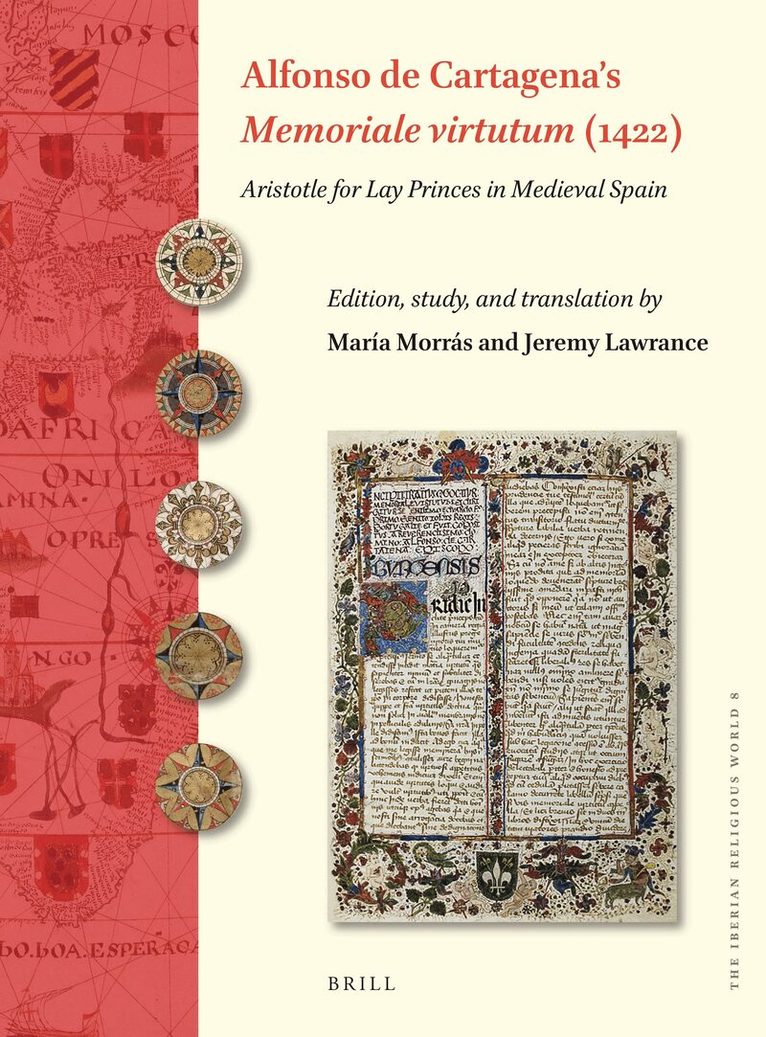
Alfonso de Cartagena’s "Memoriale virtutum" (1422)
Aristotle for Lay Princes in Medieval Spain
Av María Morrás, Jeremy Lawrance
Inbunden, 2022
2231 kr
Lägg i varukorg
In Alfonso de Cartagena’s 'Memoriale virtutum' (1422), María Morrás and Jeremy Lawrance offer a critical edition of an anthology of Aristotle’s Nicomachean Ethics, compiled and significantly altered by the major Castilian intellectual of the day, Bishop Alfonso de Cartagena, and addressed to the …