Jerrilynn D. Burrowes - Böcker
Visar alla böcker från författaren Jerrilynn D. Burrowes. Handla med fri frakt och snabb leverans.
4 produkter
4 produkter
1 745 kr
Skickas inom 10-15 vardagar
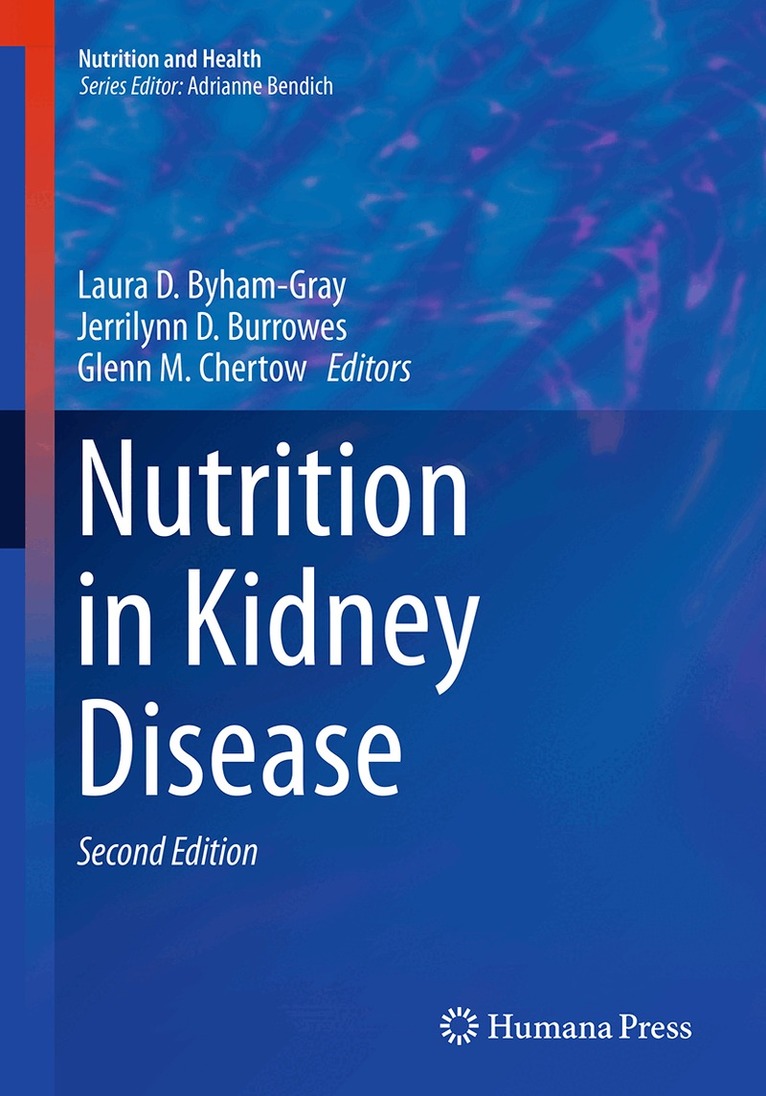
Nutrition in Kidney Disease, Second Edition addresses the relationships between nutrition and (1) normal kidney function and disease, (2) the progressiveness of chronic kidney disease (CKD) and strategies to prevent further compromise, and (3) the treatment and management of kidney failure especially during medical crises, such as acute kidney injury and its consequent nutritional therapies (e.g., enteral and parenteral nutrition). Demographic patterns, trends and outcomes in the current health care systems are explored in the United States and abroad. Disease prevention and management are presented over the entire lifespan, beginning with pregnancy, followed by infancy, childhood, adolescence, and adulthood, concluding with the elder years. Foundations for clinical practice are established by devoting a complete section towards conducting a comprehensive nutritional assessment, comprising of anthropometric, biochemical, clinical, physical parameters and psychosocial concerns unique to the kidney disease population. Nutritional therapy is also discussed across the spectrum of kidney disease, and pertinent aspects critical to successful management of disorders and conditions, such as bone disease, obesity, and nephrotic syndrome are explored. Nutrition in Kidney Disease, Second edition highlights cutting edge research in regards to exercise and functional outcomes, malnutrition and the inflammatory response, experimental therapies, and the use of complementary and alternative medicine, with a special emphasis on relevant preventative strategies.
1 853 kr
Skickas inom 10-15 vardagar
The Nutrition and Health™ series of books have, as an overriding mission, to provide health professionals with texts that are considered essential because each includes: (1) a synthesis of the state of the science, (2) timely, in-depth reviews by the leading researchers in their respective fields, (3) extensive, up-to-date fully annotated reference lists, (4) a detailed index, (5) relevant tables and figures, (6) identi- cation of paradigm shifts and the consequences, (7) virtually no overlap of information between chapters, but targeted, inter-chapter referrals, (8) suggestions of areas for future research, and (9) balanced, data-driven answers to patient /health professional questions that are based upon the totality of evidence rather than the findings of any single study. The series volumes are not the outcome of a symposium. Rather, each editor has the potential to examine a chosen area with a broad perspective, both in subject matter as well as in the choice of chapter authors. The international perspective, especially with regard to public health initiatives, is emphasized where appropriate. The editors, whose trainings are both research and practice oriented, have the opportunity to develop a primary objective for their book, define the scope and focus, and then invite the leading authorities from around the world to be part of their initiative. The authors are encouraged to provide an overview of the field, discuss their own research, and relate the research findings to potential human health consequences.
2 505 kr
Skickas inom 10-15 vardagar
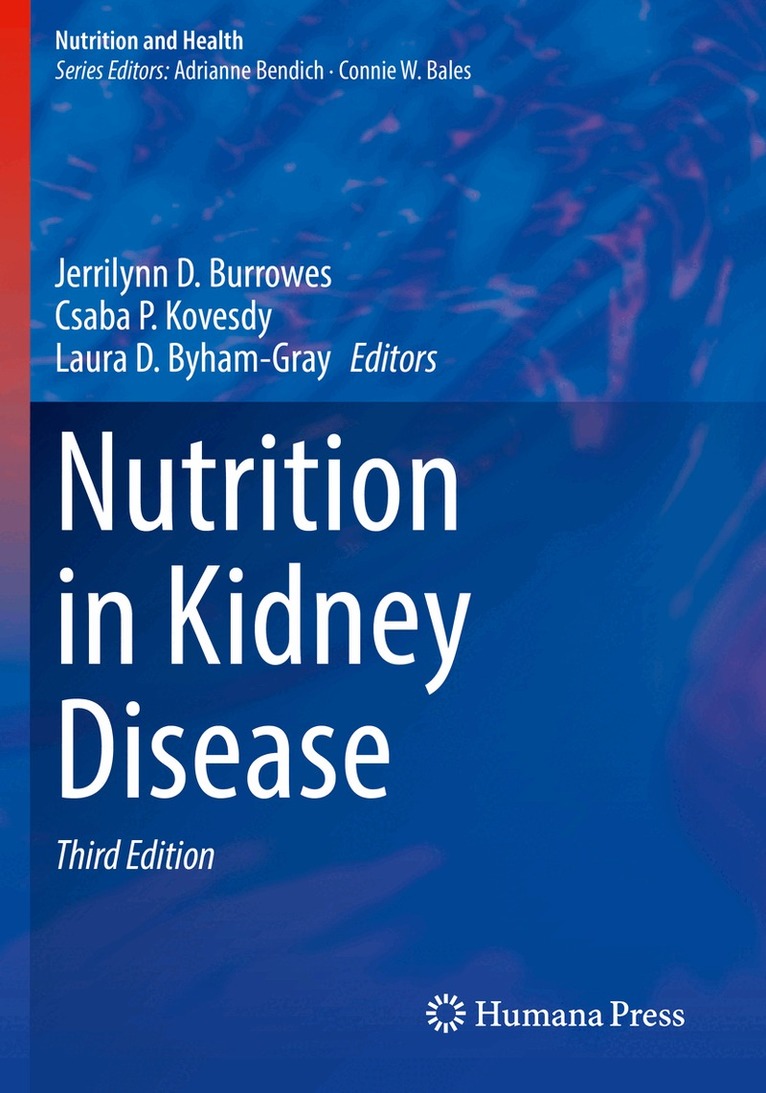
This third edition of this text is organized into seven sections that address the educational needs of dietitians around the world who seek current information about nutritional management of chronic kidney disease (CKD). Part I addresses the differences in the epidemiology of CKD and renal replacement therapy worldwide, such as environmental, ethnic, cultural, political and macroeconomic factors. Part II includes a thorough review of the components of the nutrition assessment, which includes information about psychosocial issues affecting nutritional status in kidney disease and drug-nutrient interactions, and parts III and IV review preventative strategies for common disorders associated with CKD such as hypertension, type 2 diabetes, obesity and cardiovascular disease are provided, and current evidence-based treatment recommendations for the nutrition management of non-dialyzed, dialyzed and transplanted adults are addressed. Part V presents the nutritional concerns of CKD populations with special needs (i.e., pregnancy, infancy, childhood, adolescence and the elderly). The nutrition management of other disorders associated with kidney disease are covered in Part VI; these include protein-energy wasting and the inflammatory response, bone and mineral disorders, nephrotic syndrome, nephrolithiasis, and acute kidney injury. Lastly, Part VII is devoted to cutting-edge research on topics of concern in nutrition in kidney disease such as the gut microbiome including pre- and probiotics, appetite regulation, advanced glycation end products, physical activity and structured exercise, and dietary patterns including plant-based diets. When appropriate, the new clinical practice guidelines in nutrition for individuals with CKD are integrated into the chapters. The third edition of Nutrition in Kidney Disease will be a highly informative resource for nephrologists, nutrition scientists, nutritionists, and researchers and students whose research, practice, and education includes nutrition and kidney disease.
1 770 kr
Skickas inom 5-8 vardagar
This third edition of this text is organized into seven sections that address the educational needs of dietitians around the world who seek current information about nutritional management of chronic kidney disease (CKD). Part I addresses the differences in the epidemiology of CKD and renal replacement therapy worldwide, such as environmental, ethnic, cultural, political and macroeconomic factors. Part II includes a thorough review of the components of the nutrition assessment, which includes information about psychosocial issues affecting nutritional status in kidney disease and drug-nutrient interactions, and parts III and IV review preventative strategies for common disorders associated with CKD such as hypertension, type 2 diabetes, obesity and cardiovascular disease are provided, and current evidence-based treatment recommendations for the nutrition management of non-dialyzed, dialyzed and transplanted adults are addressed. Part V presents the nutritional concerns of CKD populations with special needs (i.e., pregnancy, infancy, childhood, adolescence and the elderly). The nutrition management of other disorders associated with kidney disease are covered in Part VI; these include protein-energy wasting and the inflammatory response, bone and mineral disorders, nephrotic syndrome, nephrolithiasis, and acute kidney injury. Lastly, Part VII is devoted to cutting-edge research on topics of concern in nutrition in kidney disease such as the gut microbiome including pre- and probiotics, appetite regulation, advanced glycation end products, physical activity and structured exercise, and dietary patterns including plant-based diets. When appropriate, the new clinical practice guidelines in nutrition for individuals with CKD are integrated into the chapters. The third edition of Nutrition in Kidney Disease will be a highly informative resource for nephrologists, nutrition scientists, nutritionists, and researchers and students whose research, practice, and education includes nutrition and kidney disease.