Jerry Hwang – författare
Visar alla böcker från författaren Jerry Hwang. Handla med fri frakt och snabb leverans.
7 produkter
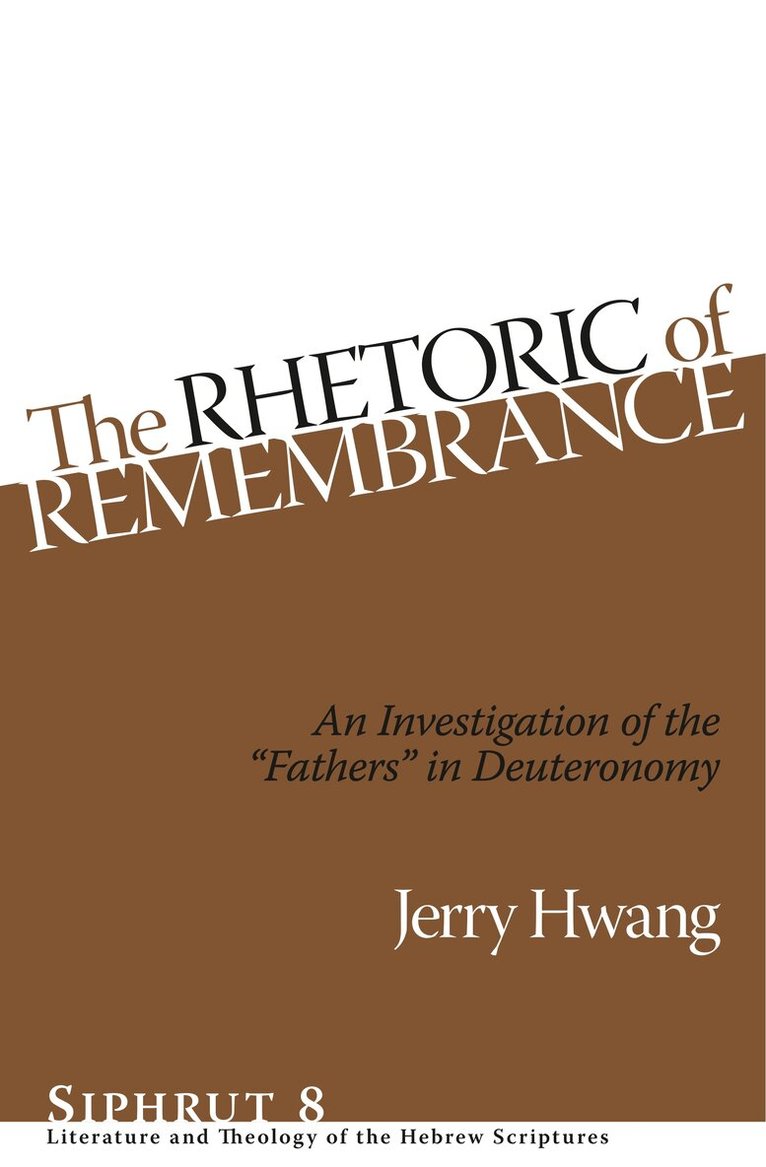
Rhetoric of Remembrance
An Investigation of the “Fathers” in Deuteronomy
Av Jerry Hwang
Inbunden, 2012
656 kr
Lägg i varukorg
To whom is Moses speaking in Deuteronomy? This question is controversial in OT scholarship. Some passages in Deuteronomy indicate that Moses is addressing the first exodus generation that witnessed Horeb (Deut 5:3–4), while other passages point to the second exodus generation that survived the …
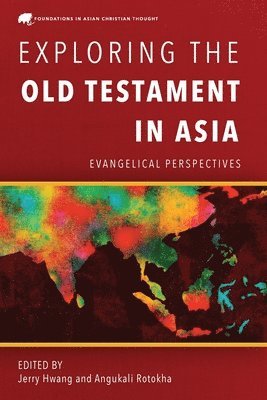
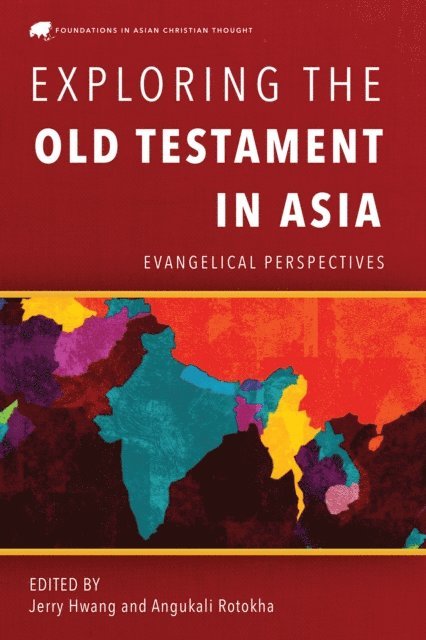
Exploring the Old Testament in Asia
Evangelical Perspectives
Av Angukali Rotokha, Jerry Hwang m. fl.
Häftad, 2022
240 kr
Lägg i varukorg
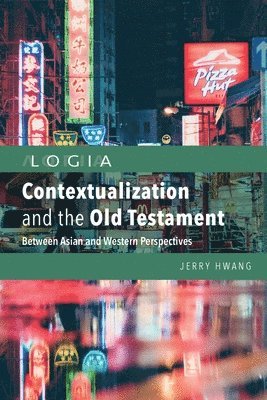
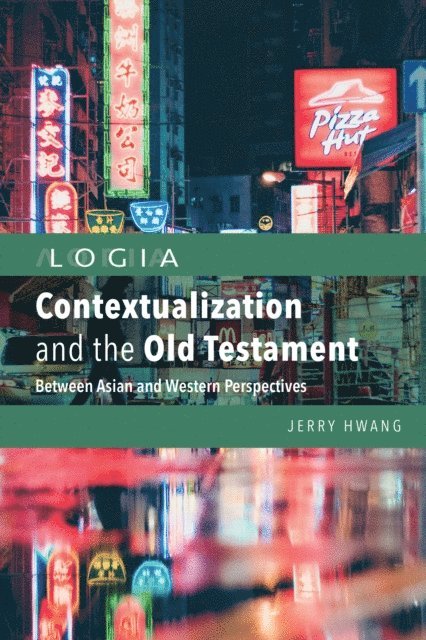
Contextualization and the Old Testament
Between Asian and Western Perspectives
Av Jerry Hwang
Häftad, 2022
247 kr
Lägg i varukorg
Contextualization and the Old Testament
Between Asian and Western Perspectives
Av Jerry Hwang
E-bok, 2022
136 kr
Lägg i varukorg
Christianity is often viewed in Asia as a Western imposition. Challenging this, Dr. Jerry Hwang examines the Old Testament’s cultural engagement of its ancient Near Eastern context, arguing that Scripture itself provides the ultimate model for contextualizing theology in Asia.While it is common for …
Contextualization and the Old Testament
Between Asian and Western Perspectives
Av Jerry Hwang
E-bok, 2022
136 kr
Lägg i varukorg
Christianity is often viewed in Asia as a Western imposition. Challenging this, Dr. Jerry Hwang examines the Old Testament’s cultural engagement of its ancient Near Eastern context, arguing that Scripture itself provides the ultimate model for contextualizing theology in Asia.While it is common for …
Exploring the Old Testament in Asia
Evangelical Perspectives
Av Angukali Rotokha, Jerry Hwang
E-bok, 2022
133 kr
Lägg i varukorg
Exploring the Old Testament in Asia is the first evangelical Old Testament textbook written both from and for an Asian cultural context. Rooted in the theological conviction that God still speaks through the Old Testament in all its fullness, the twelve essays in this book address key theological …
Exploring the Old Testament in Asia
Evangelical Perspectives
Av Angukali Rotokha, Jerry Hwang
E-bok, 2022
136 kr
Lägg i varukorg
Exploring the Old Testament in Asia is the first evangelical Old Testament textbook written both from and for an Asian cultural context. Rooted in the theological conviction that God still speaks through the Old Testament in all its fullness, the twelve essays in this book address key theological …