254 kr
Läs direkt efter köp
254 kr
Läs direkt efter köp
307 kr
Läs direkt efter köp
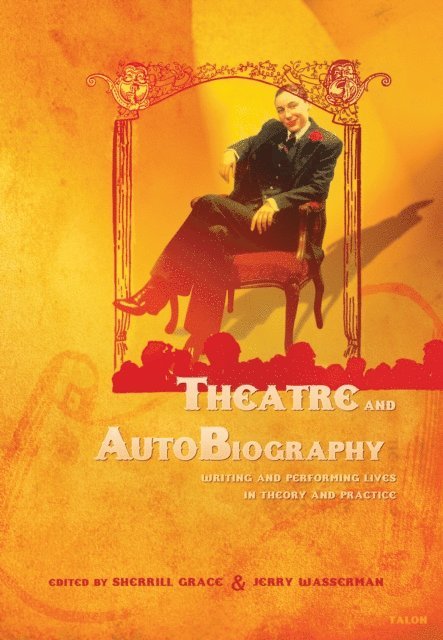
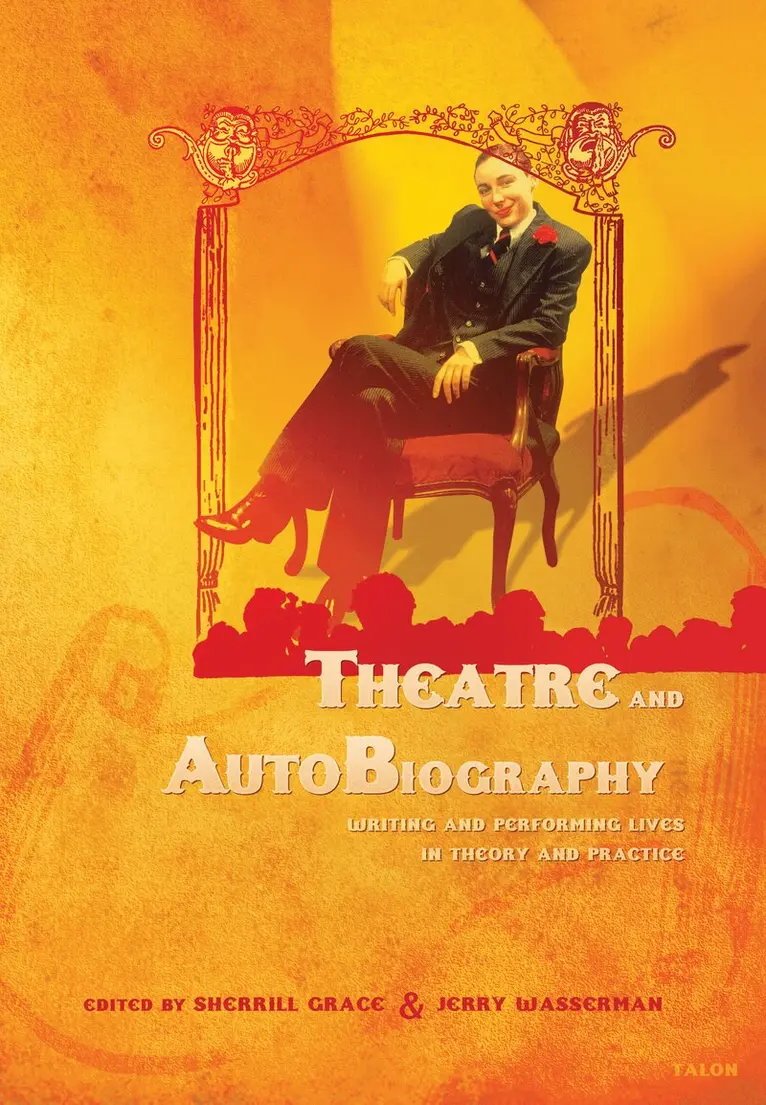
That both autobiography and biography have acquired a position of unprecedented importance over the past 30 years is now obvious. Less obvious are the reasons for this phenomenon. Theorists and students of AutoBiography, a research subject now viewed as respectable in academic circles, have recently mapped the contours and shifting parameters of the autobiographical and the biographical processes, thereby contributing to the profile and stature of both.This collection brings theatre practitioners together with academics from three continents in a groundbreaking exploration of the interdisciplinary realm of Theatre and AutoBiography. On the theoretical side, the contributors draw on a range of contemporary theorists: from Jacques Lacan, Gilles Deleuze and Emmanuel Levinas to Judith Butler, Mieke Bal and Homi Bhabha; from Elin Diamond and Jill Dolan to Leigh Gilmore, Paul John Eakin and Philippe Lejeune.In general terms, auto/biographical performances have become hugely popular forms in Europe and North America because we live in a culture of me or I at a time when access to cultural production is easy. AutoBiographies satisfy our desire for story at the same time as they promise to give us truths (if not Truth). With the post-postmodern return of the author and the waning of a deep-seated antihumanism associated with modernist ideology and aesthetics, a desire for agency, voice, visibility and subjectivity has resurfaced with a renewed passion.The playwrights discussed here could scarcely be more broadly representative of British and North American drama in the twentieth and early twenty-first centuries: from W. B. Yeats and Samuel Beckett to Michel Tremblay, Sharon Pollock and David Mamet; from Spalding Gray and Karen Finley to Linda Griffiths; and from Orlan to Sally Clark, R. H. Thomson, Monique Mojica and George Seremba, the range of styles performances and subjectivities is extraordinary.
606 kr
Skickas inom 5-8 vardagar
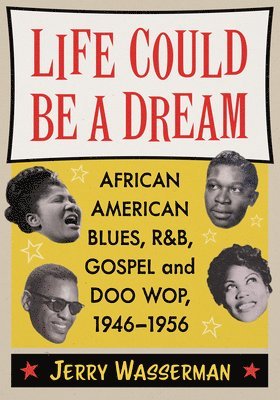
In the tumultuous decade following World War II, the civil rights movement began transforming Black lives and American society. The era also proved momentous for African American popular music: new record labels, new styles, and exciting new sounds in the form of electrified blues combos, rhythm and blues shouters and balladeers, gospel and doo wop quartets. By the late 1950s, with rock 'n' roll dominating the American soundscape, much of the phenomenal Black music of the postwar decade began to drift into relative obscurity.
This book brings a remarkable body of African American music, excluding jazz, back into sharp focus, and explores its connections to the socio-political dreams of Black America during that period of frustrated hopes and great expectations. With close attention to the singers, musicians, and lyrics in hundreds of recordings from 1946 to 1956, it offers for the first time a detailed examination of four musical genres along the blues continuum: blues, rhythm & blues, gospel, and secular harmony (better known as doo wop). Meet the artists and listen to the sounds and themes of Black America in a musically explosive decade.
256 kr
Tillfälligt slut
395 kr
Tillfälligt slut
395 kr
Tillfälligt slut
231 kr
Tillfälligt slut
483 kr
Tillfälligt slut
483 kr
Tillfälligt slut