Jerzy Hildebrand – författare
Visar alla böcker från författaren Jerzy Hildebrand. Handla med fri frakt och snabb leverans.
6 produkter
6 produkter
E-bok
PDF, Franska, 2013190 kr
Läs direkt efter köp
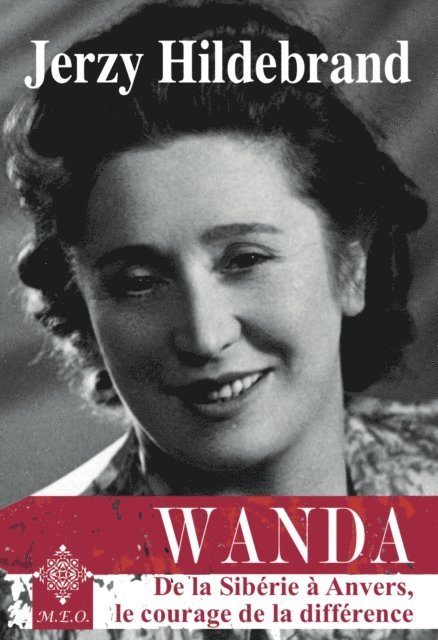
Née dans une famille juive aisée, tout à fait intégrée dans la bonne société polonaise, Wanda, la mère de l’auteur, se retrouve veuve sans le savoir : son mari a été exécuté par les Soviétiques lors du massacre de Katyn. Elle sera déportée en Sibérie avec son fils de quatre ans. Une déportation qui leur sauvera la vie. Dans cette prison à ciel ouvert, elle devra oublier qu’elle a été une jeune femme un peu frivole pour devenir une quasi-pauvresse animée par la farouche volonté de vivre et de faire vivre son enfant. De retour en Pologne après la guerre, ils y seront en butte à l’antisémitisme et connaîtront le sort réservé à tant de Juifs laïques transbahutés d’un pays à l’autre, pour finir leur errance en Belgique où l''auteur, après une scolarité chaotique, deviendra médecin, éminent neurologue, professeur à l’Université libre de Bruxelles, chef du service de neurologie à l’hôpital Érasme, spécialiste des complications neurologiques du cancer dont il fut un pionnier. La retraite venue, il est resté consultant bénévole à l’Institut Bordet et au service Mazarin de l’hôpital parisien de la Pitié-Salpêtrière (ce qui lui valut la Légion d’honneur). Presque personne, dans ses condisciples, ses confrères, ses patients, n’était au courant de son extraordinaire trajet de vie, tant cet homme était pudique. Frappé par la maladie qu’il a voué toute son existence à combattre, il a fait montre d’un courage et d’une lucidité extraordinaires devant les échéances qu’il connaissait mieux que personne. Il est décédé le jour de la parution de ce livre.Le portrait émouvant d’une femme parvenue à rester elle-même à travers les convulsions du vingtième siècle, où l’humour permet de tenir à distance ce que le récit pourrait comporter de trop dur. Un des plus beaux hommages qu’un fils ait rendus à sa mère, avec cet énorme mérite de ne pas tenter d’en faire une sainte, mais de peindre une femme courageuse, pragmatique, libre, pleine de gaîté et d’humour, dont les qualités étaient parfois contrebalancées par quelques travers et des préjugés d’un autre temps.
E-bok
Franska, 2013197 kr
Läs direkt efter köp
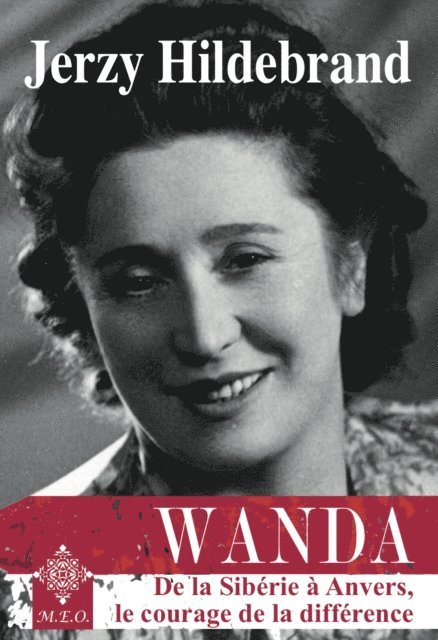
Née dans une famille juive aisée, tout à fait intégrée dans la bonne société polonaise, Wanda, la mère de l’auteur, se retrouve veuve sans le savoir : son mari a été exécuté par les Soviétiques lors du massacre de Katyn. Elle sera déportée en Sibérie avec son fils de quatre ans. Une déportation qui leur sauvera la vie. Dans cette prison à ciel ouvert, elle devra oublier qu’elle a été une jeune femme un peu frivole pour devenir une quasi-pauvresse animée par la farouche volonté de vivre et de faire vivre son enfant. De retour en Pologne après la guerre, ils y seront en butte à l’antisémitisme et connaîtront le sort réservé à tant de Juifs laïques transbahutés d’un pays à l’autre, pour finir leur errance en Belgique où l''auteur, après une scolarité chaotique, deviendra médecin, éminent neurologue, professeur à l’Université libre de Bruxelles, chef du service de neurologie à l’hôpital Érasme, spécialiste des complications neurologiques du cancer dont il fut un pionnier. La retraite venue, il est resté consultant bénévole à l’Institut Bordet et au service Mazarin de l’hôpital parisien de la Pitié-Salpêtrière (ce qui lui valut la Légion d’honneur). Presque personne, dans ses condisciples, ses confrères, ses patients, n’était au courant de son extraordinaire trajet de vie, tant cet homme était pudique. Frappé par la maladie qu’il a voué toute son existence à combattre, il a fait montre d’un courage et d’une lucidité extraordinaires devant les échéances qu’il connaissait mieux que personne. Il est décédé le jour de la parution de ce livre.Le portrait émouvant d’une femme parvenue à rester elle-même à travers les convulsions du vingtième siècle, où l’humour permet de tenir à distance ce que le récit pourrait comporter de trop dur. Un des plus beaux hommages qu’un fils ait rendus à sa mère, avec cet énorme mérite de ne pas tenter d’en faire une sainte, mais de peindre une femme courageuse, pragmatique, libre, pleine de gaîté et d’humour, dont les qualités étaient parfois contrebalancées par quelques travers et des préjugés d’un autre temps.
E-bok
PDF, Engelska, 20122 036 kr
Läs direkt efter köp
In this timely and up-to-date book, the latest knowledge on neurological syndromes due to neurotoxicity of antineoplastic drugs is presented. The initial chapters discuss the following vital topics: - the importance of blood-brain barrier changes in cancer patients, - laboratory and clinical studies on the neurotoxicity of anticancer drugs, - and the role of cumulative toxicity of radiation therapy and chemotherapy. Clinical presentation and diagnosis of various neurological conditions related to antineoplastic chemotherapy are then also thoroughly discussed. Indispensable to the neuro-oncologist and useful to all physicians managing cancer patients, this book is a valuable source of current information.
Häftad, Engelska, 2011
1 664 kr
Skickas inom 10-15 vardagar
In this timely and up-to-date book, the latest knowledge on neurological syndromes due to neurotoxicity of antineoplastic drugs is presented. The initial chapters discuss the following vital topics: - the importance of blood-brain barrier changes in cancer patients, - laboratory and clinical studies on the neurotoxicity of anticancer drugs, - and the role of cumulative toxicity of radiation therapy and chemotherapy. Clinical presentation and diagnosis of various neurological conditions related to antineoplastic chemotherapy are then also thoroughly discussed. Indispensable to the neuro-oncologist and useful to all physicians managing cancer patients, this book is a valuable source of current information.
E-bok
PDF, Engelska, 20121 459 kr
Läs direkt efter köp
The European School of Oncology came into existence to respond to a need for information, education and training in the field of the diagnosis and treatment of cancer. There are two main reasons why such an initiative was considered necessary. Firstly, the teaching of oncology requires a rigorously multidisciplinary approach which is difficult for the Universities to put into practice since their system is mainly disciplinary orientated. Secondly, the rate of technological development that impinges on the diagnosis and treatment of cancer has been so rapid that it is not an easy task for medical faculties to adapt their curricula flexibly. With its residential courses for organ pathologies and the seminars on new techniques (laser, monoclonal antibodies, imaging techniques etc.) or on the principal therapeutic controversies (conservative or mutilating surgery, primary or adjuvant chemotherapy, radiotherapy alone or integrated), it is the ambition of the European School of Oncology to fill a cultural and scientific gap and, thereby, create a bridge between the University and Industry and between these two and daily medical practice. One of the more recent initiatives of ESO has been the institution of permanent study groups, also called task forces, where a limited number of leading experts are invited to meet once a year with the aim of defining the state of the art and possibly reaching a consensus on future developments in specific fields of oncology.
Häftad, Engelska, 2011
1 112 kr
Skickas inom 10-15 vardagar
The European School of Oncology came into existence to respond to a need for information, education and training in the field of the diagnosis and treatment of cancer. There are two main reasons why such an initiative was considered necessary. Firstly, the teaching of oncology requires a rigorously multidisciplinary approach which is difficult for the Universities to put into practice since their system is mainly disciplinary orientated. Secondly, the rate of technological development that impinges on the diagnosis and treatment of cancer has been so rapid that it is not an easy task for medical faculties to adapt their curricula flexibly. With its residential courses for organ pathologies and the seminars on new techniques (laser, monoclonal antibodies, imaging techniques etc.) or on the principal therapeutic controversies (conservative or mutilating surgery, primary or adjuvant chemotherapy, radiotherapy alone or integrated), it is the ambition of the European School of Oncology to fill a cultural and scientific gap and, thereby, create a bridge between the University and Industry and between these two and daily medical practice. One of the more recent initiatives of ESO has been the institution of permanent study groups, also called task forces, where a limited number of leading experts are invited to meet once a year with the aim of defining the state of the art and possibly reaching a consensus on future developments in specific fields of oncology.