Jessey J. C. Choo - Böcker
Visar alla böcker från författaren Jessey J. C. Choo. Handla med fri frakt och snabb leverans.
4 produkter
4 produkter
1 622 kr
Skickas inom 7-10 vardagar
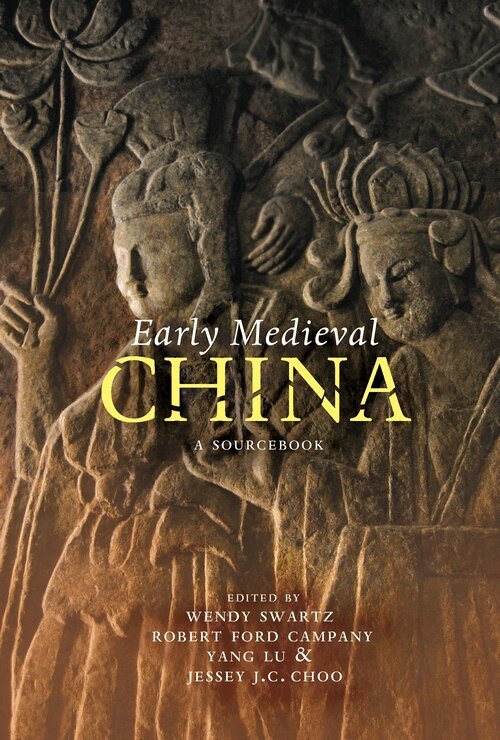
This innovative sourcebook builds a dynamic understanding of China's early medieval period (220-589) through an original selection and arrangement of literary, historical, religious, and critical texts. A tumultuous and formative era, these centuries saw the longest stretch of political fragmentation in China's imperial history, resulting in new ethnic configurations, the rise of powerful clans, and a pervasive divide between north and south. Deploying thematic categories, the editors sketch the period in a novel way for students and, by featuring many texts translated into English for the first time, recast the era for specialists. Thematic topics include regional definitions and tensions, governing mechanisms and social reality, ideas of self and other, relations with the unseen world, everyday life, and cultural concepts. Within each section, the editors and translators introduce the selected texts and provide critical commentary on their historical significance, along with suggestions for further reading and research.
411 kr
Skickas inom 7-10 vardagar
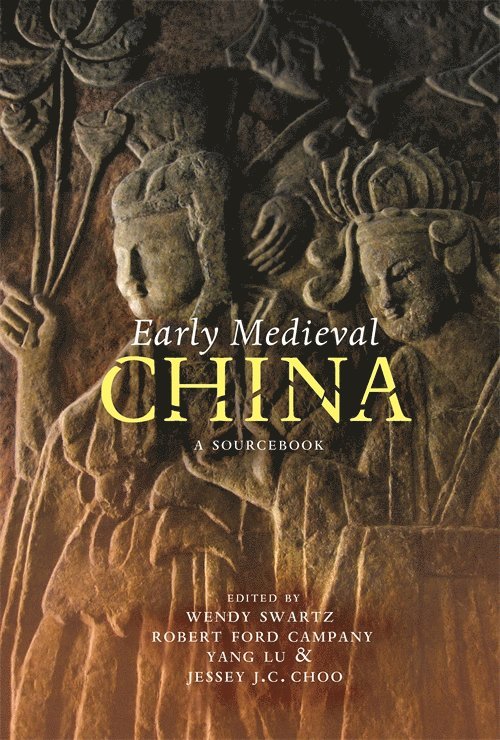
This innovative sourcebook builds a dynamic understanding of China's early medieval period (220-589) through an original selection and arrangement of literary, historical, religious, and critical texts. A tumultuous and formative era, these centuries saw the longest stretch of political fragmentation in China's imperial history, resulting in new ethnic configurations, the rise of powerful clans, and a pervasive divide between north and south. Deploying thematic categories, the editors sketch the period in a novel way for students and, by featuring many texts translated into English for the first time, recast the era for specialists. Thematic topics include regional definitions and tensions, governing mechanisms and social reality, ideas of self and other, relations with the unseen world, everyday life, and cultural concepts. Within each section, the editors and translators introduce the selected texts and provide critical commentary on their historical significance, along with suggestions for further reading and research.
726 kr
Skickas inom 7-10 vardagar
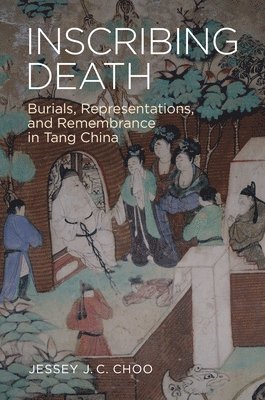
This nuanced study traces how Chinese came to view death as an opportunity to fashion and convey social identities and memories during the medieval period (200–1000) and the Tang dynasty (618–907), specifically. As Chinese society became increasingly multicultural and multireligious, to achieve these aims people selectively adopted, portrayed, and interpreted various acts of remembrance. Included in these were new and evolving burial, mourning, and commemorative practices: joint-burials of spouses, extended family members, and coreligionists; relocation and reburial of bodies; posthumous marriage and divorce; interment of a summoned soul in the absence of a body; and many changes to the classical mourning and commemorative rites that became the norm during the period. Individuals independently constructed the socio-religious meanings of a particular death and the handling of corpses by engaging in and reviewing acts of remembrance. Drawing on a variety of sources, including hundreds of newly excavated entombed epitaph inscriptions, Inscribing Death illuminates the process through which the living—and the dead—negotiated this multiplicity of meanings and how they shaped their memories and identities both as individuals and as part of collectives. In particular, it details the growing emphasis on remembrance as an expression of filial piety and the grave as a focal point of ancestral sacrifice. The work also identifies different modes of construction and representation of the self in life and death, deepening our understanding of ancestral worship and its changing modus operandi and continuous shaping influence on the most intimate human relationships—thus challenging the current monolithic representation of ancestral worship as an extension of families rather than individuals in medieval China.
282 kr
Skickas inom 7-10 vardagar
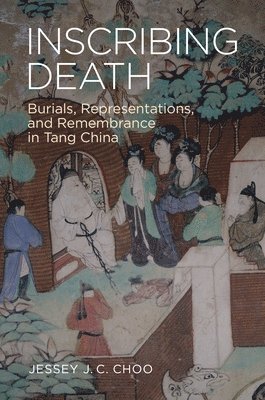
This nuanced study traces how Chinese came to view death as an opportunity to fashion and convey social identities and memories during the medieval period (200–1000) and the Tang dynasty (618–907), specifically. As Chinese society became increasingly multicultural and multireligious, to achieve these aims people selectively adopted, portrayed, and interpreted various acts of remembrance. Included in these were new and evolving burial, mourning, and commemorative practices: joint-burials of spouses, extended family members, and coreligionists; relocation and reburial of bodies; posthumous marriage and divorce; interment of a summoned soul in the absence of a body; and many changes to the classical mourning and commemorative rites that became the norm during the period. Individuals independently constructed the socio-religious meanings of a particular death and the handling of corpses by engaging in and reviewing acts of remembrance. Drawing on a variety of sources, including hundreds of newly excavated entombed epitaph inscriptions, Inscribing Death illuminates the process through which the living—and the dead—negotiated this multiplicity of meanings and how they shaped their memories and identities both as individuals and as part of collectives. In particular, it details the growing emphasis on remembrance as an expression of filial piety and the grave as a focal point of ancestral sacrifice. The work also identifies different modes of construction and representation of the self in life and death, deepening our understanding of ancestral worship and its changing modus operandi and continuous shaping influence on the most intimate human relationships—thus challenging the current monolithic representation of ancestral worship as an extension of families rather than individuals in medieval China.