Jessica C. E. Gienow-Hecht – författare
858 kr
Skickas inom 5-8 vardagar
325 kr
Skickas inom 5-8 vardagar
701 kr
Läs direkt efter köp
1 642 kr
Skickas
569 kr
Skickas inom 3-6 vardagar
521 kr
Skickas inom 3-6 vardagar
Music and International History in the Twentieth Century
1 960 kr
Skickas inom 3-6 vardagar
314 kr
Läs direkt efter köp
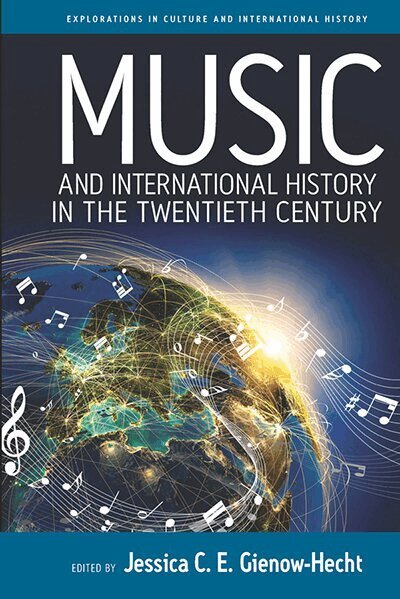
Bringing together scholars from the fields of musicology and international history, this book investigates the significance of music to foreign relations, and how it affected the interaction of nations since the late 19th century. For more than a century, both state and non-state actors have sought to employ sound and harmony to influence allies and enemies, resolve conflicts, and export their own culture around the world. This book asks how we can understand music as an instrument of power and influence, and how the cultural encounters fostered by music changes our ideas about international history.
314 kr
Läs direkt efter köp
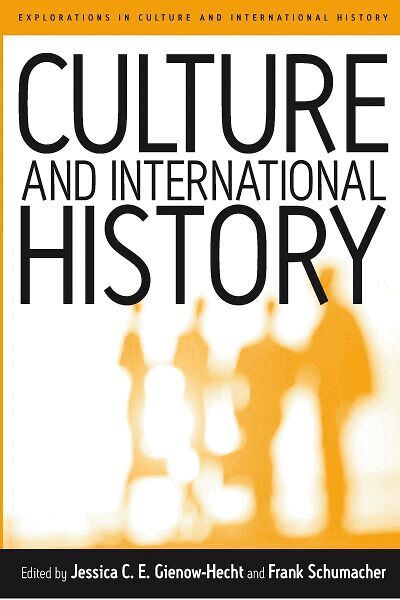
Combining the perspectives of 18 international scholars from Europe and the United States with a critical discussion of the role of culture in international relations, this volume introduces recent trends in the study of Culture and International History. It systematically explores the cultural dimension of international history, mapping existing approaches and conceptual lenses for the study of cultural factors and thus hopes to sharpen the awareness for the cultural approach to international history among both American and non-American scholars.
The first part provides a methodological introduction, explores the cultural underpinnings of foreign policy, and the role of culture in international affairs by reviewing the historiography and examining the meaning of the word culture in the context of foreign relations. In the second part, contributors analyze culture as a tool of foreign policy. They demonstrate how culture was instrumentalized for diplomatic goals and purposes in different historical periods and world regions. The essays in the third part expand the state-centered view and retrace informal cultural relations among nations and peoples. This exploration of non-state cultural interaction focuses on the role of science, art, religion, and tourism. The fourth part collects the findings and arguments of part one, two, and three to define a roadmap for further scholarly inquiry. A group of" commentators" survey the preceding essays, place them into a larger research context, and address the question "Where do we go from here?" The last and fifth part presents a selection of primary sources along with individual comments highlighting a new genre of resources scholars interested in culture and international relations can consult.
374 kr
Läs direkt efter köp
"Decentering" has fast become a dynamic approach to the study of American cultural and diplomatic history. But what precisely does decentering mean, how does it work, and why has it risen to such prominence? This book addresses the attempt to decenter the United States in the history of culture and international relations both in times when the United States has been assumed to take center place. Rather than presenting more theoretical perspectives, this collection offers a variety of examples of how one can look at the role of culture in international history without assigning the central role to the United States. Topics include cultural violence, inverted Americanization, the role of NGOs, modernity and internationalism, and the culture of diplomacy. Each subsection includes two case studies dedicated to one particular approach which while not dealing with the same geographical topic or time frame illuminate a similar methodological interest. Collectively, these essays pragmatically demonstrate how the study of culture and international history can help us to rethink and reconceptualize US history today.
569 kr
Skickas inom 3-6 vardagar
Nation Branding in Modern History
1 960 kr
Skickas inom 3-6 vardagar
317 kr
Läs direkt efter köp
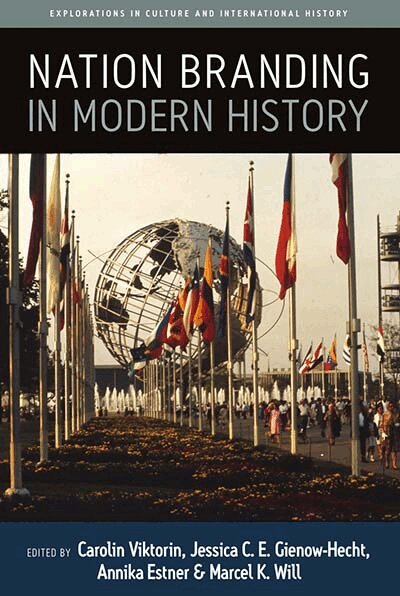
A recent coinage within international relations, “nation branding” designates the process of highlighting a country’s positive characteristics for promotional purposes, using techniques similar to those employed in marketing and public relations. Nation Branding in Modern History takes an innovative approach to illuminating this contested concept, drawing on fascinating case studies in the United States, China, Poland, Suriname, and many other countries, from the nineteenth century to the present. It supplements these empirical contributions with a series of historiographical essays and analyses of key primary documents, making for a rich and multivalent investigation into the nexus of cultural marketing, self-representation, and political power.
570 kr
Skickas inom 3-6 vardagar
2 106 kr
Skickas inom 3-6 vardagar
620 kr
Skickas inom 3-6 vardagar
1 960 kr
Skickas inom 3-6 vardagar
Searching for a Cultural Diplomacy
1 965 kr
Skickas inom 3-6 vardagar
326 kr
Läs direkt efter köp
The study of emotions has attracted anew the interest of scholars in various disciplines, igniting a lively public debate on the constructive and destructive power of emotions in society as well as within each of us. Most of the contributors to this volume do not hail from the United States but look at the nation from abroad. They explore the role of emotions in history and ask how that exploration changes what we know about national and international history, and in turn how that affects the methodological study of history. In particular they focus on emotions in American history between the 18th century and the present: in war, in social and political discourse, as well as in art and the media. In addition to case studies, the volume includes a review of their fields by senior scholars, who offer new insights regarding future research projects.
283 kr
Läs direkt efter köp
Recent studies on the meaning of cultural diplomacy in the twentieth century often focus on the United States and the Cold War, based on the premise that cultural diplomacy was a key instrument of foreign policy in the nation’s effort to contain the Soviet Union. As a result, the term “cultural diplomacy” has become one-dimensional, linked to political manipulation and subordination and relegated to the margin of diplomatic interactions. This volume explores the significance of cultural diplomacy in regions other than the United States or “western” countries, that is, regions that have been neglected by scholars so far—Eastern Europe, Asia, and the Middle East. By examining cultural diplomacy in these regions, the contributors show that the function of information and exchange programs differs considerably from area to area depending on historical circumstances and, even more importantly, on the cultural mindsets of the individuals involved.