Healthy, Easy, Delicious Indian Recipes: Make Your Own Indian Food With Whole, Read Food Ingredients
167 kr
Skickas inom 3-6 vardagar
167 kr
Skickas inom 3-6 vardagar
891 kr
Skickas inom 10-15 vardagar
971 kr
Läs direkt efter köp
922 kr
Skickas inom 10-15 vardagar
1 084 kr
Läs direkt efter köp
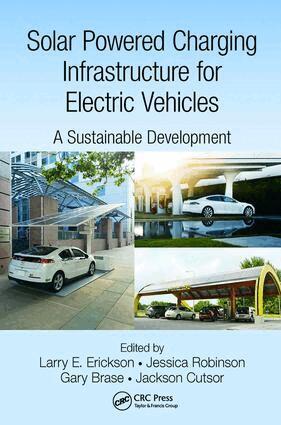
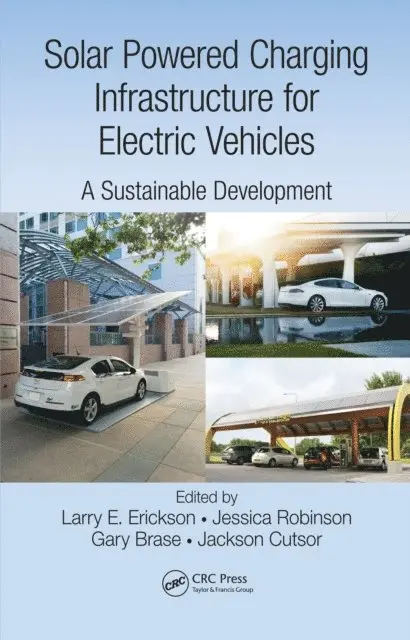
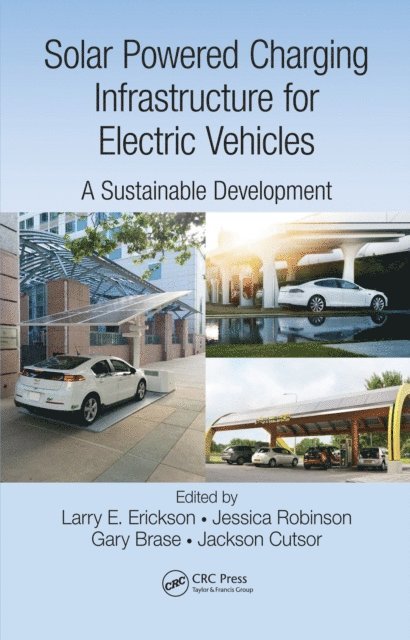
The Paris Agreement on Climate Change adopted on December 12, 2015 is a voluntary effort to reduce greenhouse gas emissions. In order to reach the goals of this agreement, there is a need to generate electricity without greenhouse gas emissions and to electrify transportation. An infrastructure of SPCSs can help accomplish both of these transitions. Globally, expenditures associated with the generation, transmission, and use of electricity are more than one trillion dollars per year. Annual transportation expenditures are also more than one trillion dollars per year. Almost everyone will be impacted by these changes in transportation, solar power generation, and smart grid developments. The benefits of reducing greenhouse gas emissions will differ with location, but all will be impacted.
This book is about the benefits associated with adding solar panels to parking lots to generate electricity, reduce greenhouse gas emissions, and provide shade and shelter from rain and snow. The electricity can flow into the power grid or be used to charge electric vehicles (EVs). Solar powered charging stations (SPCSs) are already in many parking lots in many countries of the world. The prices of solar panels have decreased recently, and about 30% of the new U.S. electrical generating capacity in 2015 was from solar energy. More than one million EVs are in service in 2016, and there are significant benefits associated with a convenient charging infrastructure of SPCSs to support transportation with electric vehicles.
Solar Powered Charging Infrastructure for Electric Vehicles: A Sustainable Development aims to share information on pathways from our present situation to a world with a more sustainable transportation system with EVs, SPCSs, a modernized smart power grid with energy storage, reduced greenhouse gas emissions, and better urban air quality. Covering 200 million parking spaces with solar panels can generate about 1/4 of the electricity that was generated in 2014 in the United States. Millions of EVs with 20 to 50 kWh of battery storage can help with the transition to wind and solar power generation through owners responding to time-of-use prices.
Written for all audiences, high school and college teachers and students, those in industry and government, and those involved in community issues will benefit by learning more about the topics addressed in the book. Those working with electrical power and transportation, who will be in the middle of the transition, will want to learn about all of the challenges and developments that are addressed here.
222 kr
Läs direkt efter köp
288 kr
Läs direkt efter köp
The New England farmgirl, transplanted to North Carolina, shares heartwarming stories and personal advice along with a bushel of new recipes for using produce from the garden or farmers market, stocking a pantry with canned goods, making homemade bread and traditional family recipes, and entertaining guests at get-togethers with recipes for lemonades and drinks, salads, hearty main courses, pies, cakes, and more.
2 695 kr
Skickas inom 10-15 vardagar
1 084 kr
Läs direkt efter köp
The Paris Agreement on Climate Change adopted on December 12, 2015 is a voluntary effort to reduce greenhouse gas emissions. In order to reach the goals of this agreement, there is a need to generate electricity without greenhouse gas emissions and to electrify transportation. An infrastructure of SPCSs can help accomplish both of these transitions. Globally, expenditures associated with the generation, transmission, and use of electricity are more than one trillion dollars per year. Annual transportation expenditures are also more than one trillion dollars per year. Almost everyone will be impacted by these changes in transportation, solar power generation, and smart grid developments. The benefits of reducing greenhouse gas emissions will differ with location, but all will be impacted.
This book is about the benefits associated with adding solar panels to parking lots to generate electricity, reduce greenhouse gas emissions, and provide shade and shelter from rain and snow. The electricity can flow into the power grid or be used to charge electric vehicles (EVs). Solar powered charging stations (SPCSs) are already in many parking lots in many countries of the world. The prices of solar panels have decreased recently, and about 30% of the new U.S. electrical generating capacity in 2015 was from solar energy. More than one million EVs are in service in 2016, and there are significant benefits associated with a convenient charging infrastructure of SPCSs to support transportation with electric vehicles.
Solar Powered Charging Infrastructure for Electric Vehicles: A Sustainable Development aims to share information on pathways from our present situation to a world with a more sustainable transportation system with EVs, SPCSs, a modernized smart power grid with energy storage, reduced greenhouse gas emissions, and better urban air quality. Covering 200 million parking spaces with solar panels can generate about 1/4 of the electricity that was generated in 2014 in the United States. Millions of EVs with 20 to 50 kWh of battery storage can help with the transition to wind and solar power generation through owners responding to time-of-use prices.
Written for all audiences, high school and college teachers and students, those in industry and government, and those involved in community issues will benefit by learning more about the topics addressed in the book. Those working with electrical power and transportation, who will be in the middle of the transition, will want to learn about all of the challenges and developments that are addressed here.
128 kr
Skickas inom 7-10 vardagar
As we face global challenges like climate change and inequality, what if women could use their investments to build a cleaner, fairer and more sustainable world? Financial feminism—the belief in the financial equality of women—has been gathering momentum, largely in the context of the gender pay gap: on average a woman earns 80% of what a man does. But there’s another gap—the gender investing gap—which shows women are investing less than men, saving less for retirement, and parking more in cash. When compounded by the gender pay gap, this results in a significant shortfall, but there’s more to financial feminism than simply addressing these gaps: women also care about where their money is invested and the impact it can have.
In this practical and accessible guide, sustainable investing expert Jessica Robinson shows how through financial feminism, women can use their financial power to invest in a sustainable future and build the kind of world they want to live in. With jargon-free explanations and real-world examples, she demystifies the financial services industry, breaks down just what sustainable investing is and demonstrates the societal and environmental impact of the investment decisions we make. Arming women with the information they need to get started—and keep going—she hopes that more women will embrace financial feminism, invest to grow their own wealth and, in doing so, use their financial decisions to demand a better world.
215 kr
Skickas inom 5-8 vardagar
204 kr
Skickas inom 5-8 vardagar
167 kr
Skickas inom 3-6 vardagar
891 kr
Skickas inom 10-15 vardagar
971 kr
Läs direkt efter köp
922 kr
Skickas inom 10-15 vardagar
1 084 kr
Läs direkt efter köp
The Paris Agreement on Climate Change adopted on December 12, 2015 is a voluntary effort to reduce greenhouse gas emissions. In order to reach the goals of this agreement, there is a need to generate electricity without greenhouse gas emissions and to electrify transportation. An infrastructure of SPCSs can help accomplish both of these transitions. Globally, expenditures associated with the generation, transmission, and use of electricity are more than one trillion dollars per year. Annual transportation expenditures are also more than one trillion dollars per year. Almost everyone will be impacted by these changes in transportation, solar power generation, and smart grid developments. The benefits of reducing greenhouse gas emissions will differ with location, but all will be impacted.
This book is about the benefits associated with adding solar panels to parking lots to generate electricity, reduce greenhouse gas emissions, and provide shade and shelter from rain and snow. The electricity can flow into the power grid or be used to charge electric vehicles (EVs). Solar powered charging stations (SPCSs) are already in many parking lots in many countries of the world. The prices of solar panels have decreased recently, and about 30% of the new U.S. electrical generating capacity in 2015 was from solar energy. More than one million EVs are in service in 2016, and there are significant benefits associated with a convenient charging infrastructure of SPCSs to support transportation with electric vehicles.
Solar Powered Charging Infrastructure for Electric Vehicles: A Sustainable Development aims to share information on pathways from our present situation to a world with a more sustainable transportation system with EVs, SPCSs, a modernized smart power grid with energy storage, reduced greenhouse gas emissions, and better urban air quality. Covering 200 million parking spaces with solar panels can generate about 1/4 of the electricity that was generated in 2014 in the United States. Millions of EVs with 20 to 50 kWh of battery storage can help with the transition to wind and solar power generation through owners responding to time-of-use prices.
Written for all audiences, high school and college teachers and students, those in industry and government, and those involved in community issues will benefit by learning more about the topics addressed in the book. Those working with electrical power and transportation, who will be in the middle of the transition, will want to learn about all of the challenges and developments that are addressed here.
222 kr
Läs direkt efter köp
288 kr
Läs direkt efter köp
The New England farmgirl, transplanted to North Carolina, shares heartwarming stories and personal advice along with a bushel of new recipes for using produce from the garden or farmers market, stocking a pantry with canned goods, making homemade bread and traditional family recipes, and entertaining guests at get-togethers with recipes for lemonades and drinks, salads, hearty main courses, pies, cakes, and more.
2 695 kr
Skickas inom 10-15 vardagar
1 084 kr
Läs direkt efter köp
The Paris Agreement on Climate Change adopted on December 12, 2015 is a voluntary effort to reduce greenhouse gas emissions. In order to reach the goals of this agreement, there is a need to generate electricity without greenhouse gas emissions and to electrify transportation. An infrastructure of SPCSs can help accomplish both of these transitions. Globally, expenditures associated with the generation, transmission, and use of electricity are more than one trillion dollars per year. Annual transportation expenditures are also more than one trillion dollars per year. Almost everyone will be impacted by these changes in transportation, solar power generation, and smart grid developments. The benefits of reducing greenhouse gas emissions will differ with location, but all will be impacted.
This book is about the benefits associated with adding solar panels to parking lots to generate electricity, reduce greenhouse gas emissions, and provide shade and shelter from rain and snow. The electricity can flow into the power grid or be used to charge electric vehicles (EVs). Solar powered charging stations (SPCSs) are already in many parking lots in many countries of the world. The prices of solar panels have decreased recently, and about 30% of the new U.S. electrical generating capacity in 2015 was from solar energy. More than one million EVs are in service in 2016, and there are significant benefits associated with a convenient charging infrastructure of SPCSs to support transportation with electric vehicles.
Solar Powered Charging Infrastructure for Electric Vehicles: A Sustainable Development aims to share information on pathways from our present situation to a world with a more sustainable transportation system with EVs, SPCSs, a modernized smart power grid with energy storage, reduced greenhouse gas emissions, and better urban air quality. Covering 200 million parking spaces with solar panels can generate about 1/4 of the electricity that was generated in 2014 in the United States. Millions of EVs with 20 to 50 kWh of battery storage can help with the transition to wind and solar power generation through owners responding to time-of-use prices.
Written for all audiences, high school and college teachers and students, those in industry and government, and those involved in community issues will benefit by learning more about the topics addressed in the book. Those working with electrical power and transportation, who will be in the middle of the transition, will want to learn about all of the challenges and developments that are addressed here.
128 kr
Skickas inom 7-10 vardagar
As we face global challenges like climate change and inequality, what if women could use their investments to build a cleaner, fairer and more sustainable world? Financial feminism—the belief in the financial equality of women—has been gathering momentum, largely in the context of the gender pay gap: on average a woman earns 80% of what a man does. But there’s another gap—the gender investing gap—which shows women are investing less than men, saving less for retirement, and parking more in cash. When compounded by the gender pay gap, this results in a significant shortfall, but there’s more to financial feminism than simply addressing these gaps: women also care about where their money is invested and the impact it can have.
In this practical and accessible guide, sustainable investing expert Jessica Robinson shows how through financial feminism, women can use their financial power to invest in a sustainable future and build the kind of world they want to live in. With jargon-free explanations and real-world examples, she demystifies the financial services industry, breaks down just what sustainable investing is and demonstrates the societal and environmental impact of the investment decisions we make. Arming women with the information they need to get started—and keep going—she hopes that more women will embrace financial feminism, invest to grow their own wealth and, in doing so, use their financial decisions to demand a better world.
215 kr
Skickas inom 5-8 vardagar
204 kr
Skickas inom 5-8 vardagar