Jharna Pathak – författare
Visar alla böcker från författaren Jharna Pathak. Handla med fri frakt och snabb leverans.
6 produkter
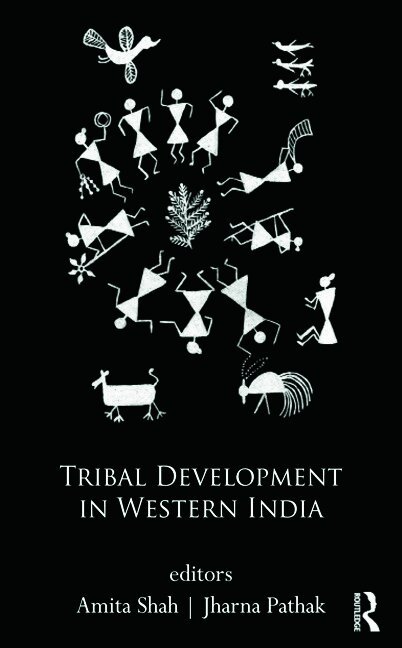
Tribal Development in Western India
Inbunden, 2013
2504 kr
Lägg i varukorg
Tribal communities in western India, as elsewhere in the country, have been facing increasing marginalisation and poverty. This is so despite a relatively better record of social movements and work by civil society organisations among them and their political inclusion. Further, the existing …
Tribal Development in Western India
Häftad, 2015
820 kr
Lägg i varukorg
Tribal communities in western India, as elsewhere in the country, have been facing increasing marginalisation and poverty. This is so despite a relatively better record of social movements and work by civil society organisations among them and their political inclusion. Further, the existing …
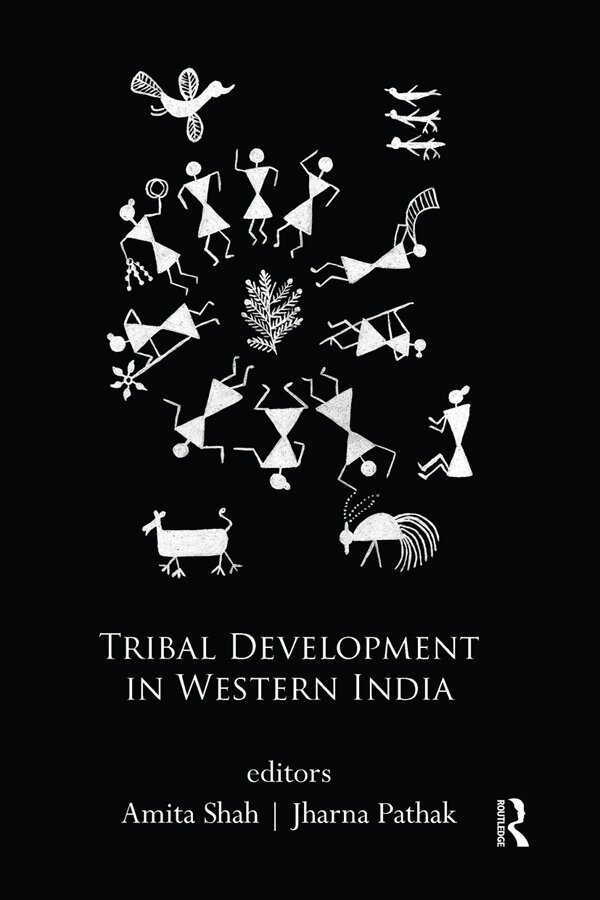
Tribal Development in Western India
E-bok, 2015
970 kr
Lägg i varukorg
Tribal communities in western India, as elsewhere in the country, have been facing increasing marginalisation and poverty. This is so despite a relatively better record of social movements and work by civil society organisations among them and their political inclusion. Further, the existing …
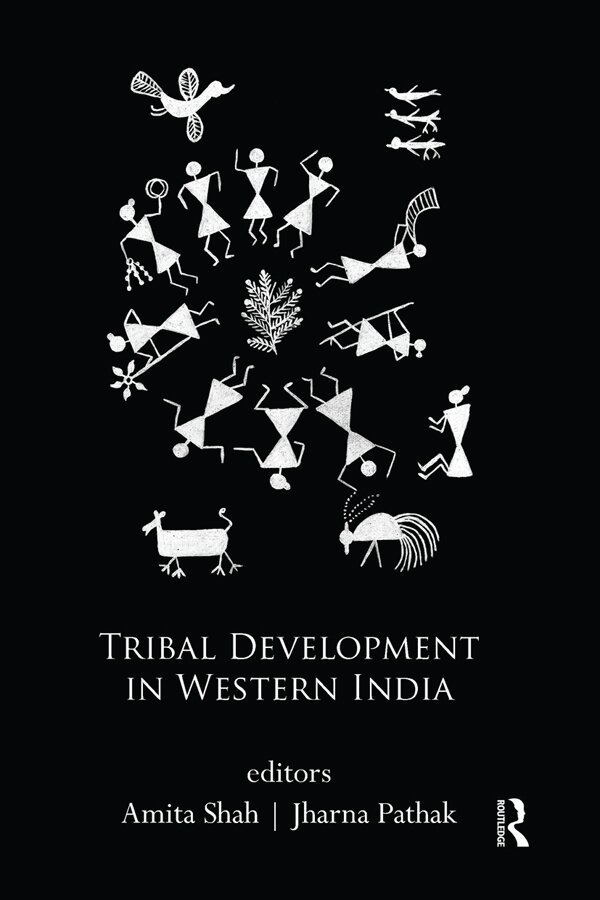
Tribal Development in Western India
E-bok, 2015
970 kr
Lägg i varukorg
Tribal communities in western India, as elsewhere in the country, have been facing increasing marginalisation and poverty. This is so despite a relatively better record of social movements and work by civil society organisations among them and their political inclusion. Further, the existing …
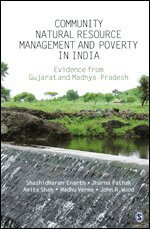
Community Natural Resource Management and Poverty in India
The Evidence from Gujarat and Madhya Pradesh
Av Shashidharan Enarth, Jharna Pathak m. fl.
Inbunden
797 kr
Tillfälligt slut
A comparative analysis of two contrasting strategies in the implementation of Community Natural Resource Management (CNRM) programmes in Gujarat and Madhya PradeshThis book examines whether the introduction of CNRM schemes in rural India made an impact on poverty alleviation. These programmes were …
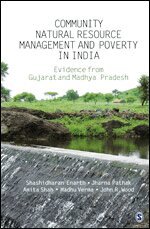
Community Natural Resource Management and Poverty in India
The Evidence from Gujarat and Madhya Pradesh
Av Shashidharan Enarth, Jharna Pathak m. fl.
Häftad, 2021
672 kr
Tillfälligt slut
A comparative analysis of two contrasting strategies in the implementation of Community Natural Resource Management (CNRM) programmes in Gujarat and Madhya PradeshThis book examines whether the introduction of CNRM schemes in rural India made an impact on poverty alleviation. These programmes were …