Jill Vickers – författare
Visar alla böcker från författaren Jill Vickers. Handla med fri frakt och snabb leverans.
10 produkter
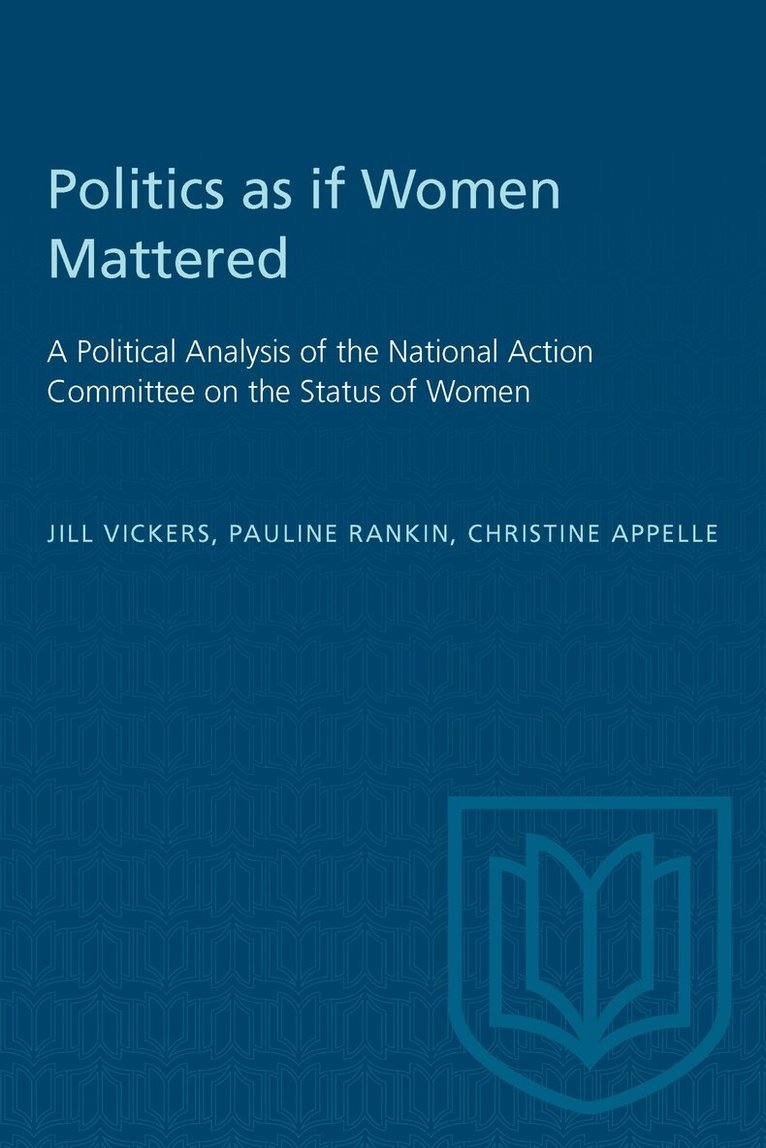
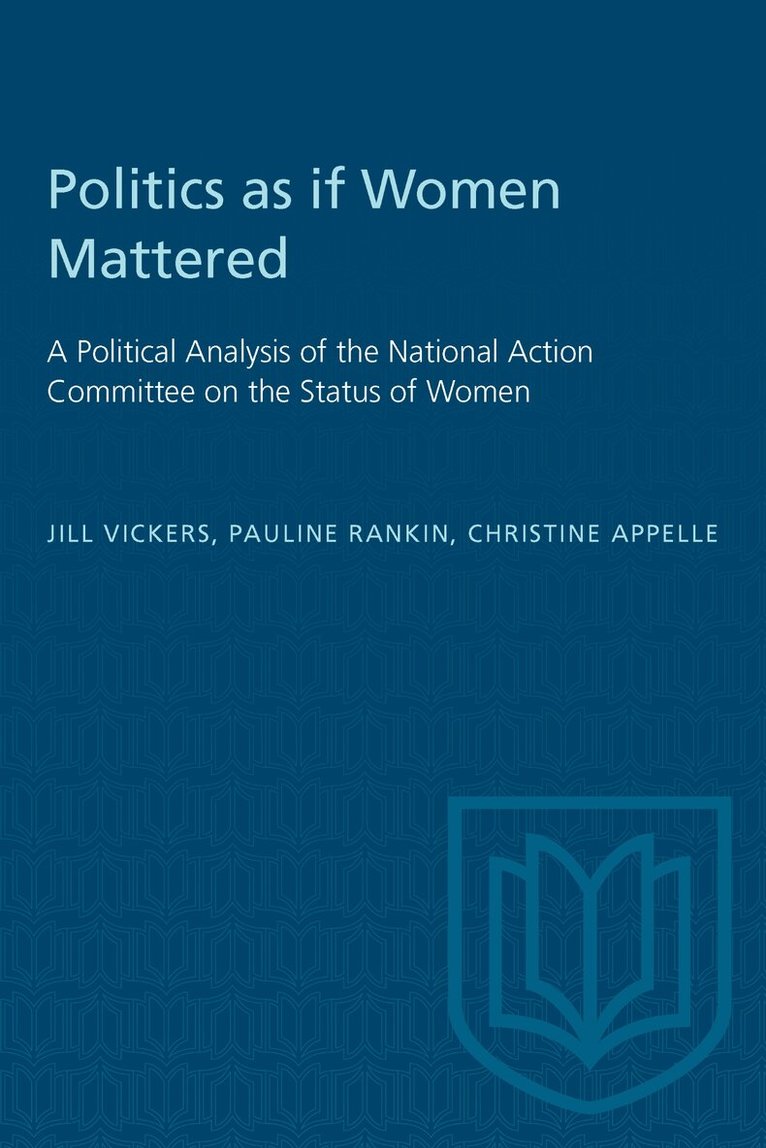
Politics As If Women Mattered
A Political Analysis of the National Action Committee on the Status of Women
Av Jill Vickers, Pauline Rankin m. fl.
Häftad, 1990
442 kr
Lägg i varukorg
The National Action Committee on the Status of Women marked the twentieth anniversary of its founding in 1992. Today, it is the umbrella organization for roughly six hundred women’s groups in Canada. The authors of this study argue that, if women’s movements are to achieve their equality goals, …
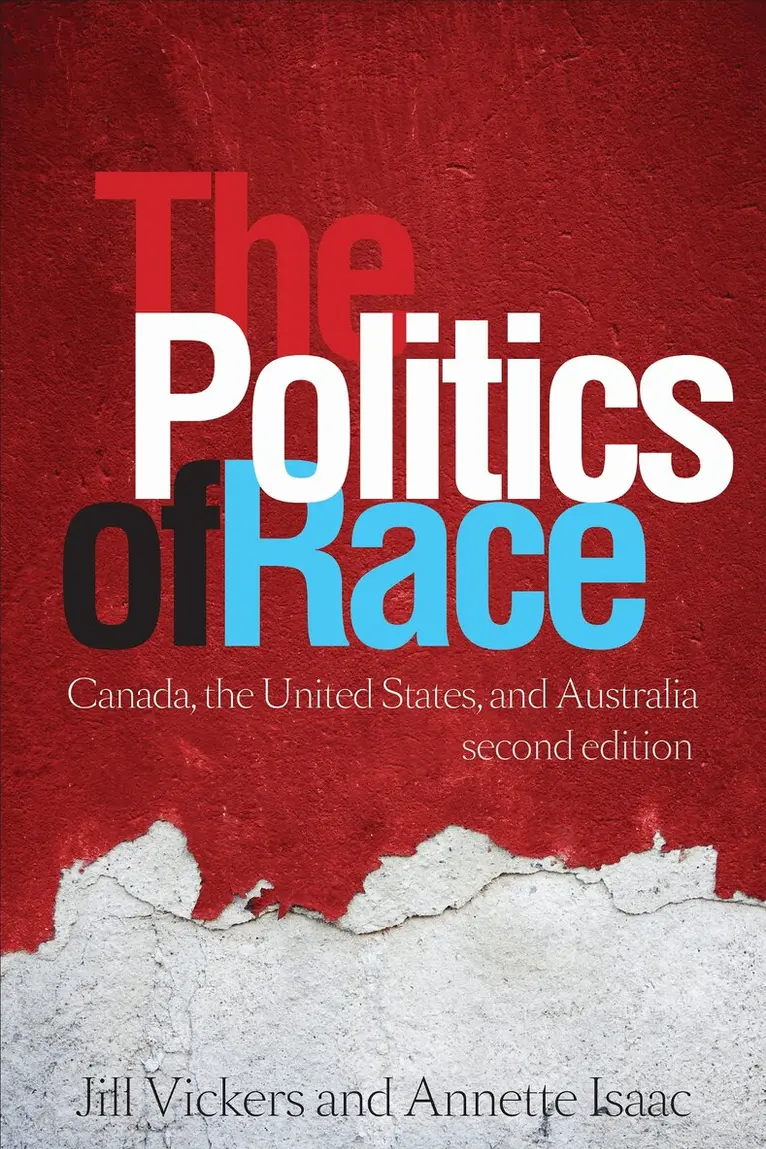
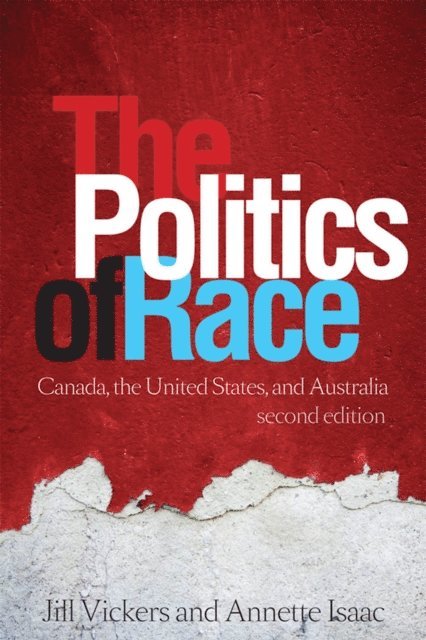
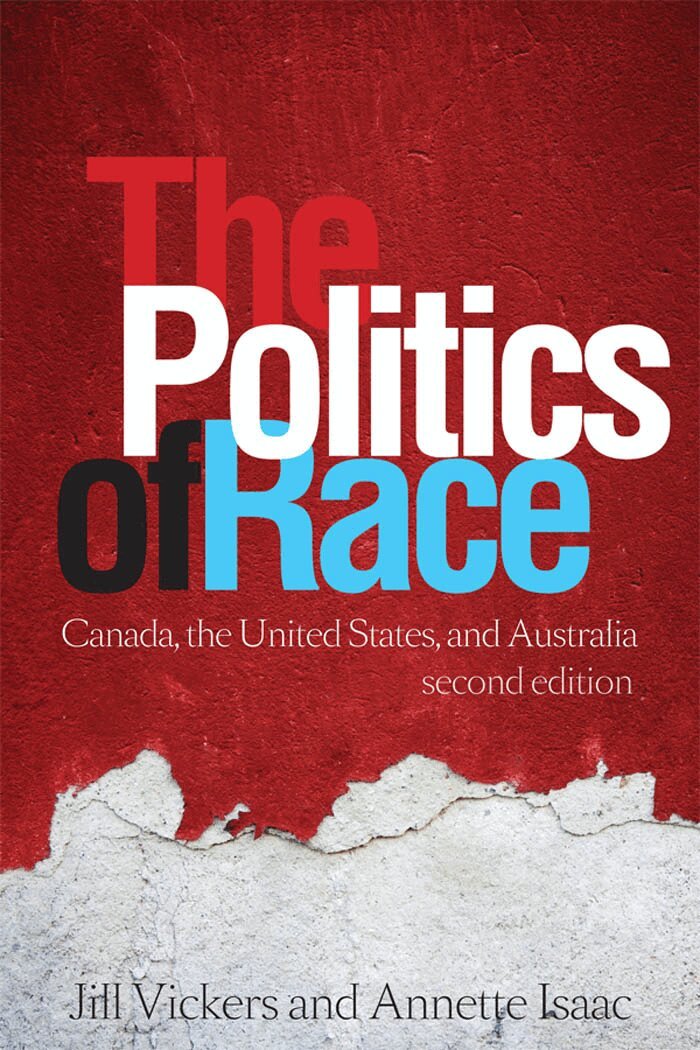
Politics of Race
Canada, the United States, and Australia
Av Jill Vickers, Annette Isaac
Häftad, 2012
470 kr
Lägg i varukorg
The Politics of Race is an excellent resource for students and general readers seeking to learn about race policies and legislation. Arguing that 'states make race,' it provides a unique comparison of the development and construction of race in three white settler societies — Canada, the United …
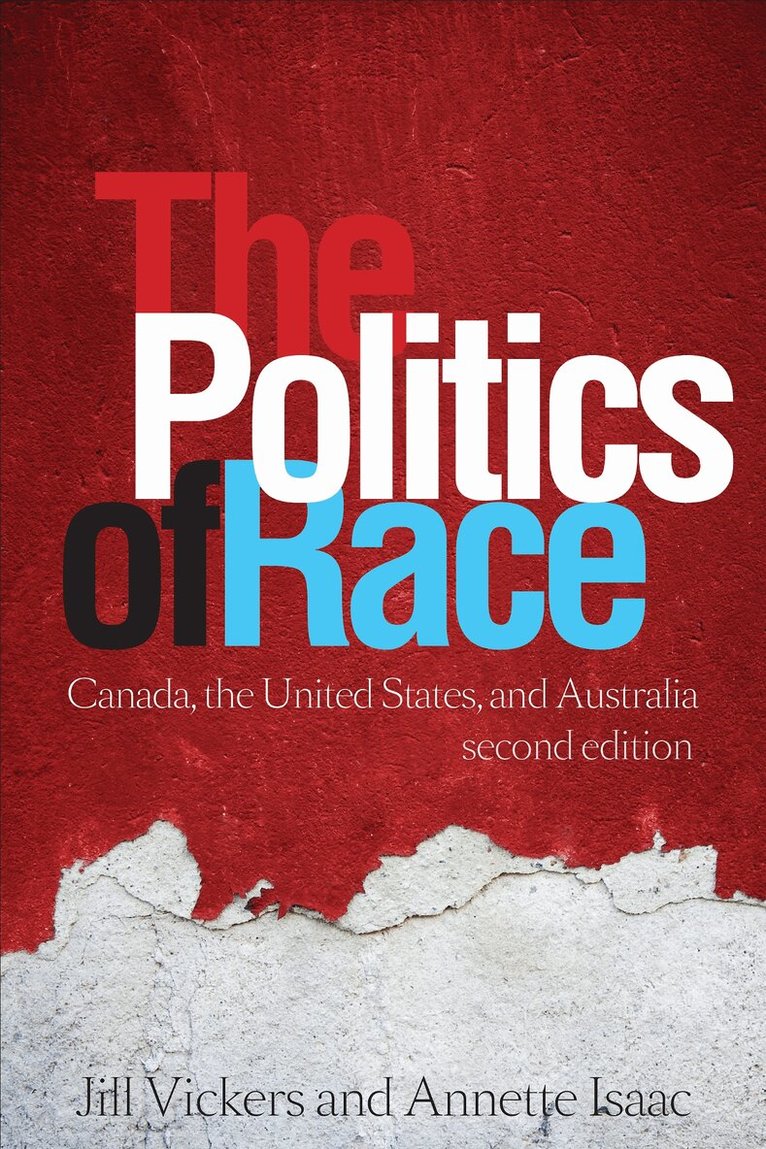
Politics of Race
Canada, the United States, and Australia
Av Jill Vickers, Annette Isaac
Inbunden, 2012
974 kr
Lägg i varukorg
The Politics of Race is an excellent resource for students and general readers seeking to learn about race policies and legislation. Arguing that 'states make race,' it provides a unique comparison of the development and construction of race in three white settler societies — Canada, the United …
Gender, Race, and Nation
A Global Perspective
Av Vanaja Dhruvarajan, Jill Vickers
E-bok, 2002
1255 kr
Lägg i varukorg
The terms 'Woman' and 'Women' have been the organizing concepts for feminist politics and scholarship on women in western countries for several centuries. 'Women', it was assumed, shared characteristics based on biology and experiences of subordination; other aspects of their lives, such as …
Politics of Race
Canada, the United States, and Australia
Av Jill Vickers, Annette Isaac
E-bok, 2012
636 kr
Lägg i varukorg
The Politics of Race is an excellent resource for students and general readers seeking to learn about race policies and legislation. Arguing that 'states make race,' it provides a unique comparison of the development and construction of race in three white settler societies — Canada, the United …
Politics of Race
Canada, the United States, and Australia
Av Jill Vickers, Annette Isaac
E-bok, 2012
636 kr
Lägg i varukorg
The Politics of Race is an excellent resource for students and general readers seeking to learn about race policies and legislation. Arguing that 'states make race,' it provides a unique comparison of the development and construction of race in three white settler societies — Canada, the United …
Politics As If Women Mattered
A Political Analysis of the National Action Committee on the Status of Women
Av Jill Vickers, Pauline Rankin m. fl.
E-bok, 1993
571 kr
Lägg i varukorg
The National Action Committee on the Status of Women marked the twentieth anniversary of its founding in 1992. Today, it is the umbrella organization for roughly six hundred women’s groups in Canada. The authors of this study argue that, if women’s movements are to achieve their equality goals, …
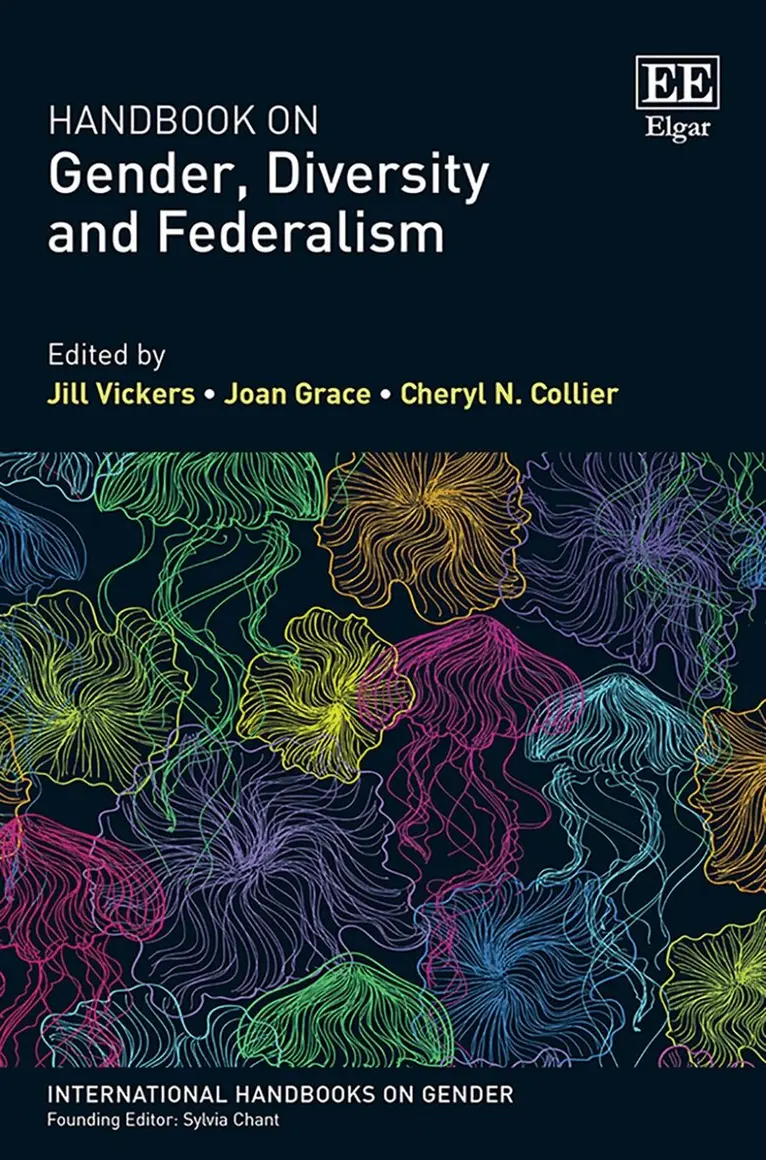
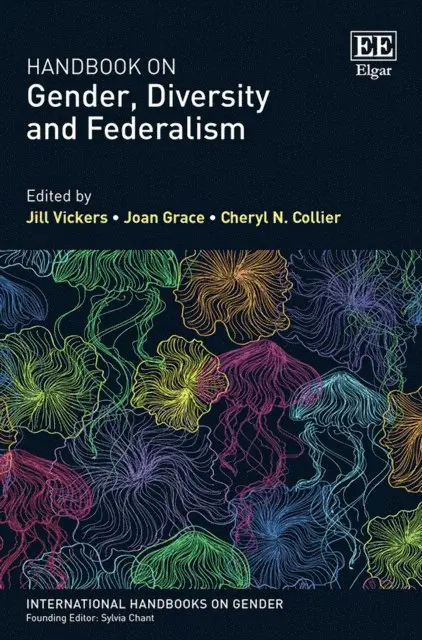
Handbook on Gender, Diversity and Federalism
Av Jill Vickers, Joan Grace m. fl.
Inbunden, 2020
3647 kr
Lägg i varukorg
This insightful Handbook offers a comprehensive exploration of the third generation of gender and federalism studies. Contributors explore the intersection of federalism and decolonization in global south countries, dissecting transitions between authoritarian regimes and democratic governance and …
Handbook on Gender, Diversity and Federalism
Av Cheryl N. Collier, Joan Grace m. fl.
E-bok, 2020
861 kr
Lägg i varukorg
This insightful Handbook offers a comprehensive exploration of the third generation of gender and federalism studies. Contributors explore the intersection of federalism and decolonization in global south countries, dissecting transitions between authoritarian regimes and democratic governance and …
Reinventing Political Science
A Feminist Approach
Av Jill Vickers
Häftad, 1996
349 kr
Lägg i varukorg
This book provides an alternate version of political science for students who want to make space for themselves and for the political activities they want to study. Vickers presents a framework which builds bridges between political science and feminism, allowing for a women-centred analysis of …