Jim Tully – författare
272 kr
Skickas inom 3-6 vardagar
446 kr
Skickas inom 5-8 vardagar
319 kr
Skickas inom 5-8 vardagar
412 kr
Skickas inom 5-8 vardagar
294 kr
Skickas inom 5-8 vardagar
412 kr
Skickas inom 5-8 vardagar
275 kr
Skickas inom 5-8 vardagar
560 kr
Skickas inom 3-6 vardagar
232 kr
Läs direkt efter köp
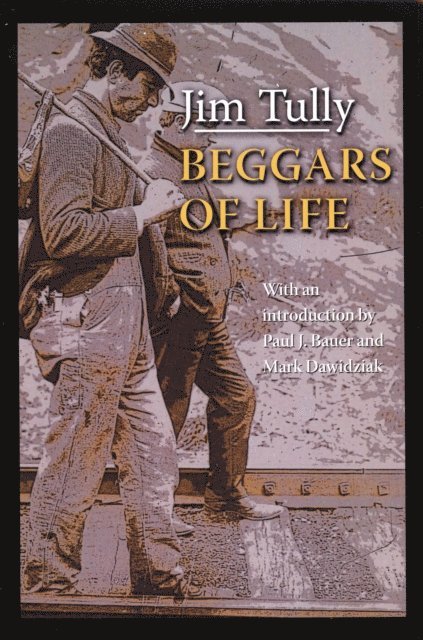
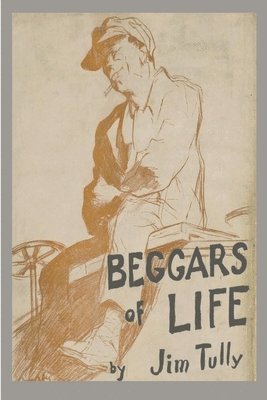
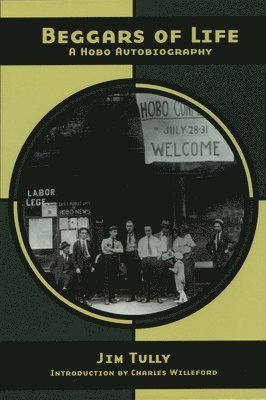
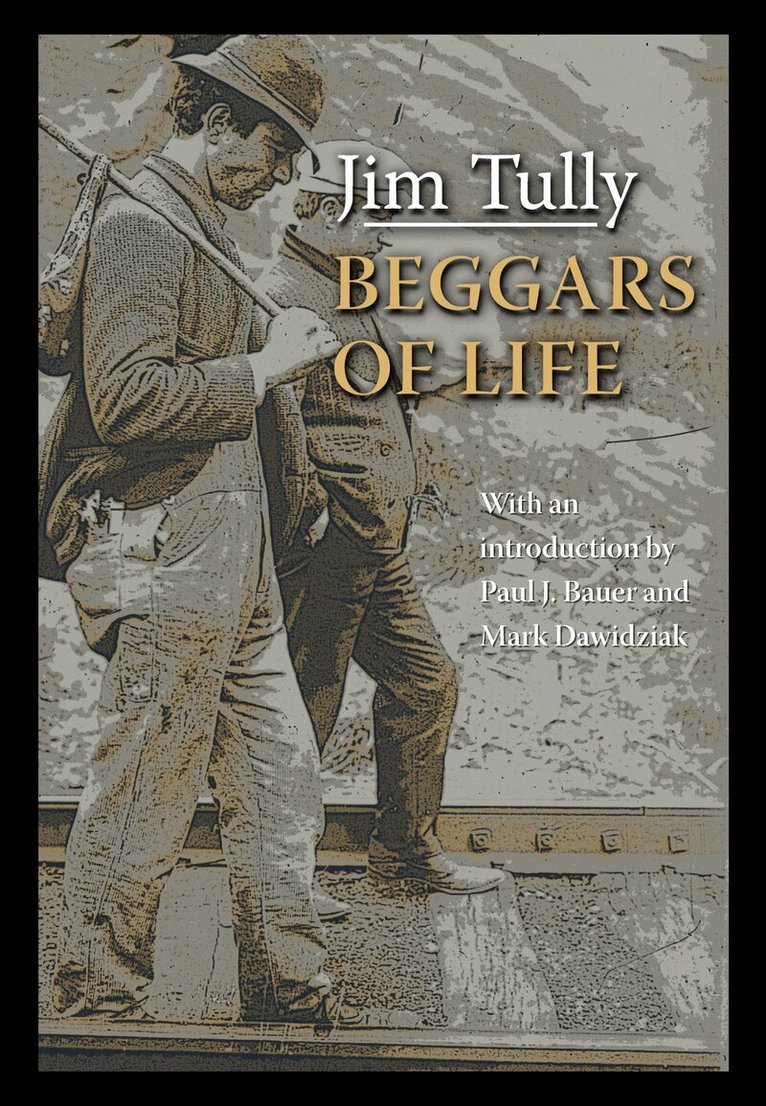
Jim Tully left his hometown of St. Marys, Ohio, in 1901, spending most of his teenage years in the company of hoboes. Drifting across the country as a “road kid,” he spent those years scrambling into boxcars, sleeping in hobo jungles, avoiding railroad cops, begging meals from back doors, and haunting public libraries. Tully crafted these memories into a dark and astonishing chronicle of the American underclass—especially in his second book, Beggars of Life, an autobiographical novel published in 1924. Tully saw it all, from a church baptism in the Mississippi River to election day in Chicago. And in Beggars of Life, he captures an America largely hidden from view.
This novelistic memoir impressed readers and reviewers with its remarkable vitality and honesty. Tully’s devotion to Mark Twain and Jack London taught him the importance of giving the reader a sense of place, and this he does brilliantly, again and again, throughout Beggars of Life. From the opening conversation on a railroad trestle, Beggars of Life rattles along like the Fast Flyer Virginia that Tully boards midway through the book. This is the book that defined Tully’s hard-boiled style and set the pattern for the twelve books that followed over the next two decades. Startling in its originality and intensity, Beggars of Life is a breakneck journey made while clinging to the lowest rungs of the social ladder.
232 kr
Läs direkt efter köp
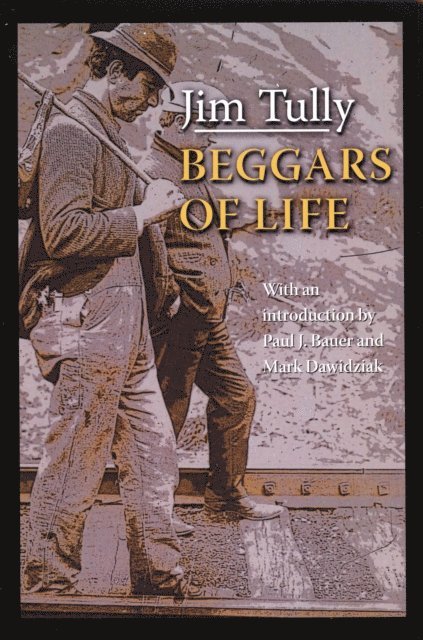
Jim Tully left his hometown of St. Marys, Ohio, in 1901, spending most of his teenage years in the company of hoboes. Drifting across the country as a “road kid,” he spent those years scrambling into boxcars, sleeping in hobo jungles, avoiding railroad cops, begging meals from back doors, and haunting public libraries. Tully crafted these memories into a dark and astonishing chronicle of the American underclass—especially in his second book, Beggars of Life, an autobiographical novel published in 1924. Tully saw it all, from a church baptism in the Mississippi River to election day in Chicago. And in Beggars of Life, he captures an America largely hidden from view.
This novelistic memoir impressed readers and reviewers with its remarkable vitality and honesty. Tully’s devotion to Mark Twain and Jack London taught him the importance of giving the reader a sense of place, and this he does brilliantly, again and again, throughout Beggars of Life. From the opening conversation on a railroad trestle, Beggars of Life rattles along like the Fast Flyer Virginia that Tully boards midway through the book. This is the book that defined Tully’s hard-boiled style and set the pattern for the twelve books that followed over the next two decades. Startling in its originality and intensity, Beggars of Life is a breakneck journey made while clinging to the lowest rungs of the social ladder.
225 kr
Läs direkt efter köp
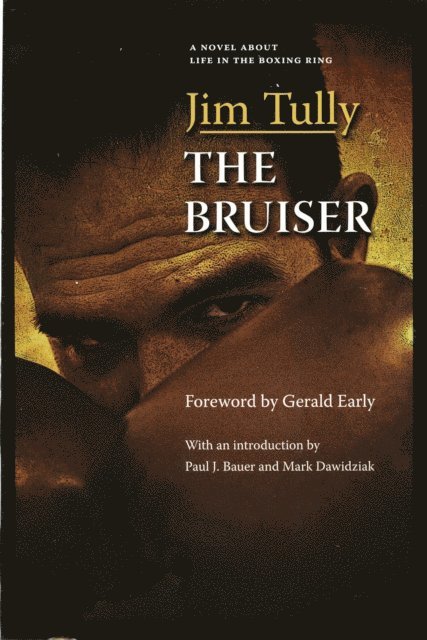
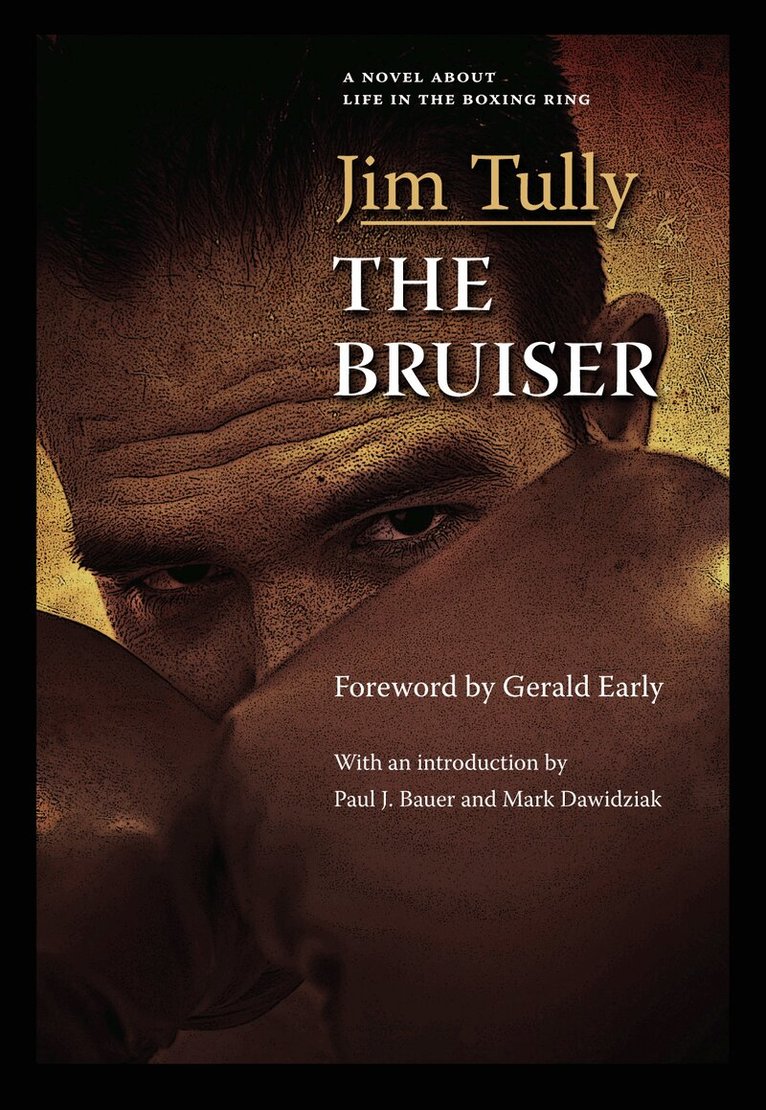
A picture of life in the boxing ring
“Few novelists captured the contradictions of his country so simply or so honestly in the metaphor of the pure, fatalistic, and merciless community of bruising.”—from the Foreword
When The Bruiser was first published in 1936, almost every reviewer praised Jim Tully’s gritty boxing novel for its authenticity—a hard-earned attribute. Twenty-eight years before the appearance of The Bruiser, Tully began a career in the ring, fighting regularly on the Ohio circuit. He knew what it felt like to step inside the ropes, hoping to beat another man senseless for the amusement of the crowd. Having won acclaim in the 1920s for such hard-boiled autobiographical novels as Beggars of Life and Circus Parade, Tully thus became both fighter and writer. “It’s a pip of a story because it is written by a man who knows what he is writing about,” said sportswriter and Guys and Dolls author Damon Runyon. “He has some descriptions of ring fighting in it that literally smell of whizzing leather. He has put bone and sinew into it, and atmosphere and feeling.”
The Bruiser is the story of Shane Rory, a drifter who turns to boxing and works his way up the heavyweight ranks. Like Tully, Shane starts out as a road kid who takes up prizefighting. While The Bruiser is not an autobiographical work, it does draw heavily on Tully’s experiences of the road and ring. Rory is part Tully, but the boxers populating these briskly paced chapters are drawn from the many ring legends the writer counted among his friends: Jack Dempsey, Joe Gans, Stanley Ketchel, Gene Tunney, Frank Moran, and Johnny Kilbane, to name a few. The book is dedicated to Dempsey, the Roaring Twenties heavyweight champion, who said, “If I still had the punch in the ring that Jim Tully packs in The Bruiser, I’d still be the heavyweight champion of the world today.”
More than just a riveting picture of life in the ring, The Bruiser is a portrait of an America that Jim Tully knew from the bottom up.
225 kr
Läs direkt efter köp
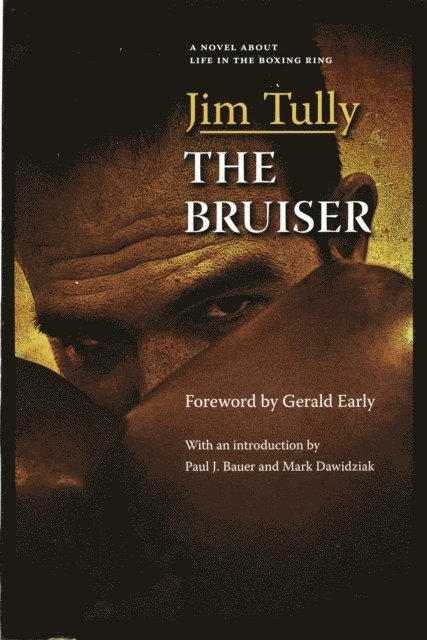
A picture of life in the boxing ring
“Few novelists captured the contradictions of his country so simply or so honestly in the metaphor of the pure, fatalistic, and merciless community of bruising.”—from the Foreword
When The Bruiser was first published in 1936, almost every reviewer praised Jim Tully’s gritty boxing novel for its authenticity—a hard-earned attribute. Twenty-eight years before the appearance of The Bruiser, Tully began a career in the ring, fighting regularly on the Ohio circuit. He knew what it felt like to step inside the ropes, hoping to beat another man senseless for the amusement of the crowd. Having won acclaim in the 1920s for such hard-boiled autobiographical novels as Beggars of Life and Circus Parade, Tully thus became both fighter and writer. “It’s a pip of a story because it is written by a man who knows what he is writing about,” said sportswriter and Guys and Dolls author Damon Runyon. “He has some descriptions of ring fighting in it that literally smell of whizzing leather. He has put bone and sinew into it, and atmosphere and feeling.”
The Bruiser is the story of Shane Rory, a drifter who turns to boxing and works his way up the heavyweight ranks. Like Tully, Shane starts out as a road kid who takes up prizefighting. While The Bruiser is not an autobiographical work, it does draw heavily on Tully’s experiences of the road and ring. Rory is part Tully, but the boxers populating these briskly paced chapters are drawn from the many ring legends the writer counted among his friends: Jack Dempsey, Joe Gans, Stanley Ketchel, Gene Tunney, Frank Moran, and Johnny Kilbane, to name a few. The book is dedicated to Dempsey, the Roaring Twenties heavyweight champion, who said, “If I still had the punch in the ring that Jim Tully packs in The Bruiser, I’d still be the heavyweight champion of the world today.”
More than just a riveting picture of life in the ring, The Bruiser is a portrait of an America that Jim Tully knew from the bottom up.
252 kr
Läs direkt efter köp
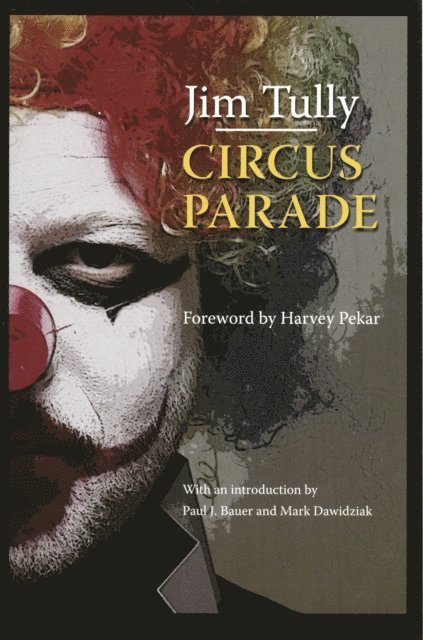
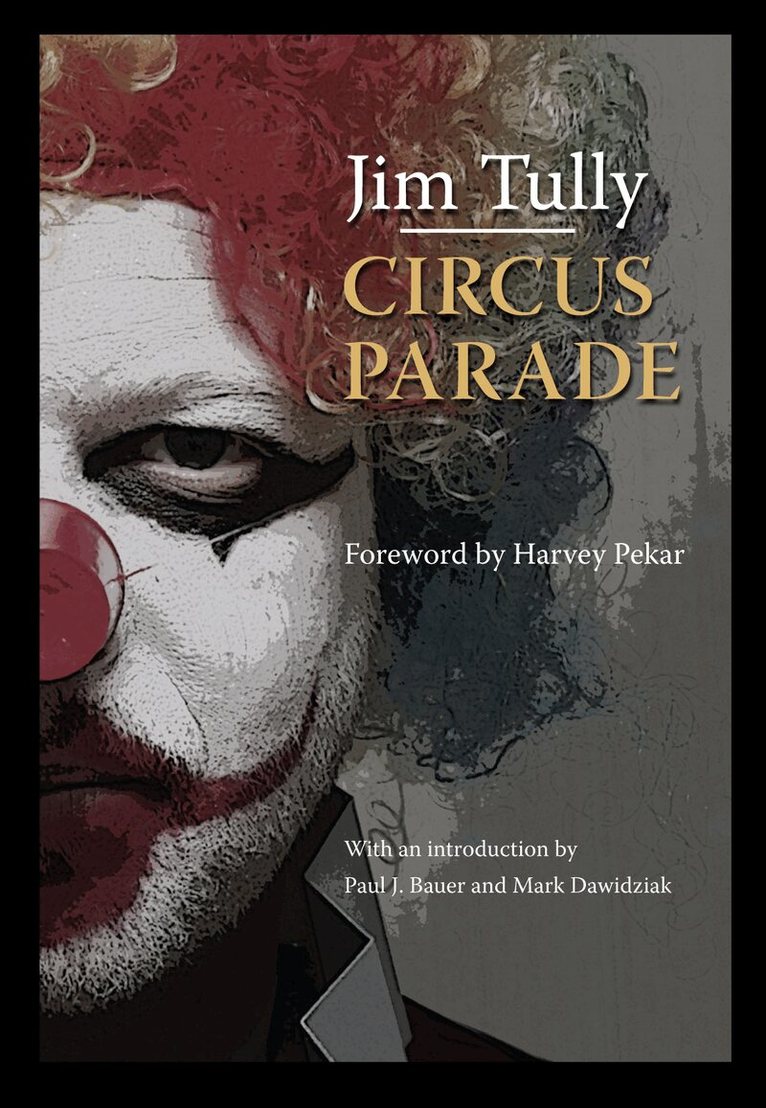
“Jim Tully was one of the fine American novelists to emerge in the 1920s and ’30s. He gained this position with intelligence, sensitivity, and hard work… . No matter how crazily violent or fantastic his stories are, readers accept them as nonfiction. Tully makes the improbable seem true.”—from the foreword by Harvey PekarJim Tully was an American writer who enjoyed critical acclaim and commercial success in the 1920s and ’30s. A former circus laborer, hobo, and professional boxer, his rags-to-riches career may qualify him as the greatest long shot in American literature.Following the death of his mother, Tully was sent from his home in St. Marys, Ohio, to an orphanage in Cincinnati. After his time at the orphanage, the young Tully spent six years as a vagabond, riding the rails and working for a small circus. He left the road and settled in Kent, Ohio, in 1907, working odd jobs while focusing on his new interest—writing. After getting a few pieces published in local papers, Tully returned to the road in 1912, eventually settling for good in Hollywood. He worked for Charlie Chaplin and later became one of the first reporters to cover Hollywood. His honest depictions of film stars and directors earned him the reputation as the most feared man in Hollywood. In addition to the celebrity pieces, Tully wrote numerous books, including Circus Parade (1927).Based on his time as a circus laborer, Circus Parade presents the sordid side of small-time circus life. Tully’s use of fast-paced vignettes and unforgettable characters made this book one of his most successful, both commercially and critically. Among the cast is Cameron, the shifty circus owner; Lila, the lonely four-hundred-pound strong woman; and Blackie, an amoral drug addict.This is by no means a romantic story about a boy joining the circus. Tully knows too well its seamier side. Instead, he paints a picture of life at the edges—earthy, wolfish, and brutal. Fans of Jack London, Jack Kerouac, John Steinbeck, Charles Bukowski, and hard-boiled writers of the 1930s will find a kindred spirit in Jim Tully.
252 kr
Läs direkt efter köp
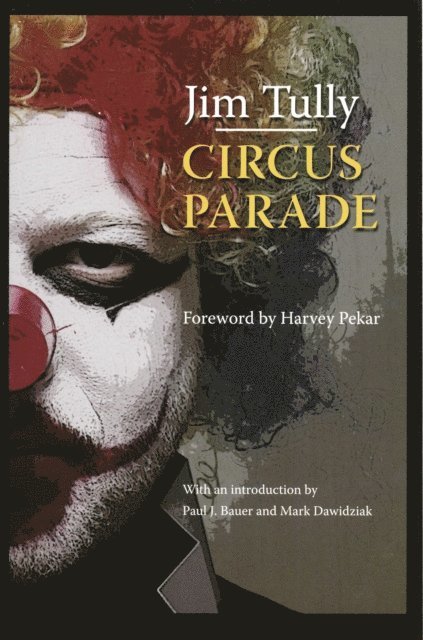
“Jim Tully was one of the fine American novelists to emerge in the 1920s and ’30s. He gained this position with intelligence, sensitivity, and hard work… . No matter how crazily violent or fantastic his stories are, readers accept them as nonfiction. Tully makes the improbable seem true.”—from the foreword by Harvey PekarJim Tully was an American writer who enjoyed critical acclaim and commercial success in the 1920s and ’30s. A former circus laborer, hobo, and professional boxer, his rags-to-riches career may qualify him as the greatest long shot in American literature.Following the death of his mother, Tully was sent from his home in St. Marys, Ohio, to an orphanage in Cincinnati. After his time at the orphanage, the young Tully spent six years as a vagabond, riding the rails and working for a small circus. He left the road and settled in Kent, Ohio, in 1907, working odd jobs while focusing on his new interest—writing. After getting a few pieces published in local papers, Tully returned to the road in 1912, eventually settling for good in Hollywood. He worked for Charlie Chaplin and later became one of the first reporters to cover Hollywood. His honest depictions of film stars and directors earned him the reputation as the most feared man in Hollywood. In addition to the celebrity pieces, Tully wrote numerous books, including Circus Parade (1927).Based on his time as a circus laborer, Circus Parade presents the sordid side of small-time circus life. Tully’s use of fast-paced vignettes and unforgettable characters made this book one of his most successful, both commercially and critically. Among the cast is Cameron, the shifty circus owner; Lila, the lonely four-hundred-pound strong woman; and Blackie, an amoral drug addict.This is by no means a romantic story about a boy joining the circus. Tully knows too well its seamier side. Instead, he paints a picture of life at the edges—earthy, wolfish, and brutal. Fans of Jack London, Jack Kerouac, John Steinbeck, Charles Bukowski, and hard-boiled writers of the 1930s will find a kindred spirit in Jim Tully.
232 kr
Läs direkt efter köp
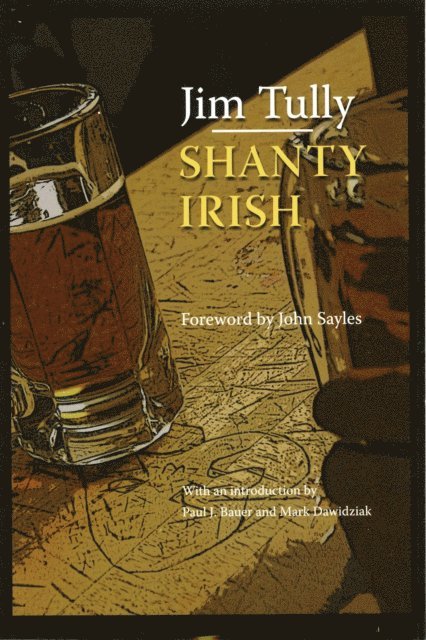
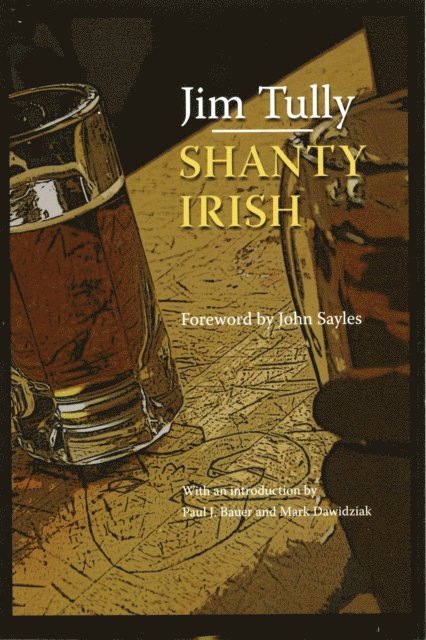
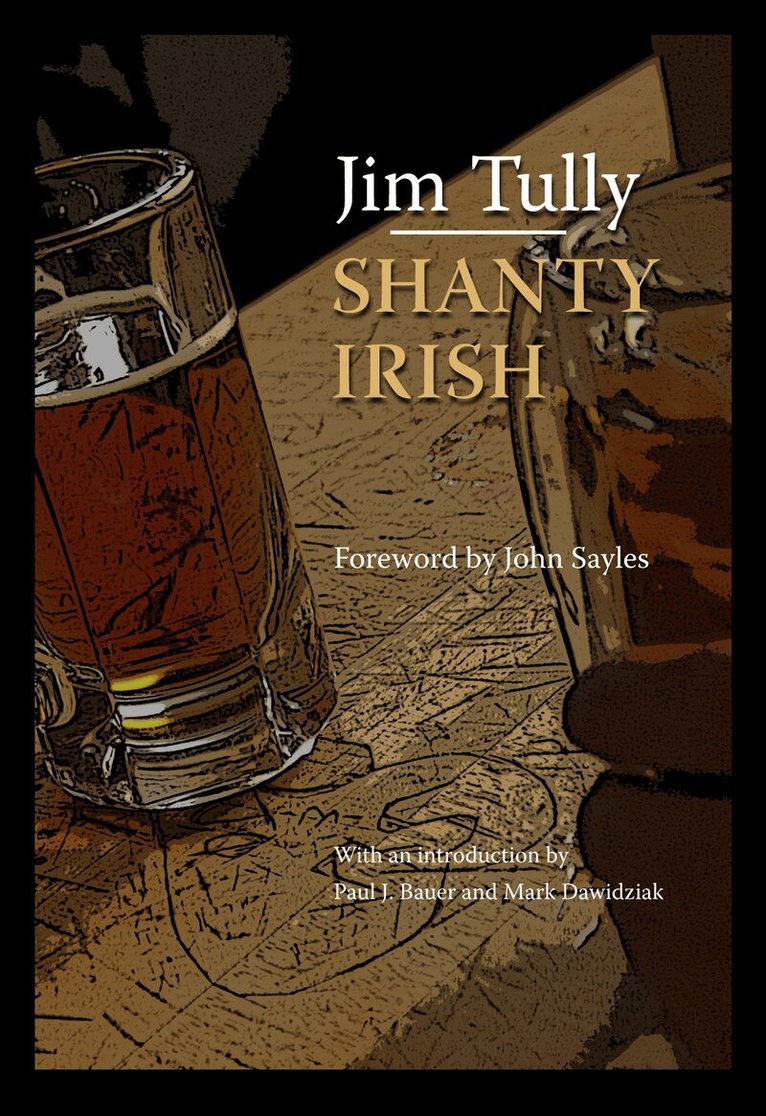
Memories of an Irish-American growing up log-shack poor in small-town Ohio
“Shanty Irish is a window, cracked and soiled, into a time and a place and a people before the moving pictures became an American obsession, people who had to create their own dreams, invent their own stories, and find escape from hopeless lives in hard liquor or the cold comfort of a promised Hereafter.”—from the foreword by John Sayles
Jim Tully was an American writer who enjoyed critical acclaim and commercial success in the 1920s and ’30s. A former circus laborer, hobo, and professional boxer, his rags-to-riches career may qualify him as the greatest long shot in American literature.
Following the death of his mother, Tully was sent from his home in St. Marys, Ohio, to an orphanage in Cincinnati. After his time at the orphanage, the young Tully spent six years as a vagabond, riding the rails and working for a small circus. He left the road and settled in Kent, Ohio, in 1907, working odd jobs while focusing on his new interest—writing. After getting a few pieces published in local papers, Tully returned to the road in 1912, eventually settling for good in Hollywood. He worked for Charlie Chaplin and later became one of the first reporters to cover Hollywood. His honest depictions of film stars and directors earned him the reputation as the most feared man in Hollywood. In addition to the celebrity pieces, Tully wrote numerous books, including Shanty Irish (1928).
A hard-edged mixture of hilarious and heartbreaking memories, Tully’s autobiographical Shanty Irish digs deep into the soil of his native Ohio to show what life was like in the late nineteenth century for a poor Irish-American family. Within the covers of this acclaimed work, we meet the author’s father, also named Jim Tully, “a gorilla built” ditchdigger whose stooped shoulders carry “the inherited burdens of a thousand dead Irish peasants.” We meet his mother, Biddy, a “woman of imagination” who “had all the moods of April.” We meet his uncle, ruthless John Lawler, who was tried, convicted, and sentenced to fifteen years in the Ohio penitentiary for stealing horses. And we meet his grandfather, Old Hughie Tully, “born with the gift of words”—“capable of turning death into an Irish wake and pouring liquor down the throat of the corpse.”
Old Hughie, “never without a tale to tell,” emerges as the most vividly drawn character in a book packed with unforgettable characters. Tully’s most deeply personal book, Shanty Irish had a profound impact on readers and other leading American writers of the 1920s. “Shanty Irish is a chunk of real life,” wrote Upton Sinclair. “It made me feel human and humble, which is good for anybody.” H. L. Mencken said, “In Shanty Irish, it seems to me, he has gone far beyond any of his work of the past. The book is not only brilliantly realistic; it also has fine poetic quality.”
Indeed, a book soaked in mud and whiskey, Shanty Irish is at turns brutal, sentimental, ironic, lyrical, humorous, and tragic.
232 kr
Läs direkt efter köp
Memories of an Irish-American growing up log-shack poor in small-town Ohio
“Shanty Irish is a window, cracked and soiled, into a time and a place and a people before the moving pictures became an American obsession, people who had to create their own dreams, invent their own stories, and find escape from hopeless lives in hard liquor or the cold comfort of a promised Hereafter.”—from the foreword by John Sayles
Jim Tully was an American writer who enjoyed critical acclaim and commercial success in the 1920s and ’30s. A former circus laborer, hobo, and professional boxer, his rags-to-riches career may qualify him as the greatest long shot in American literature.
Following the death of his mother, Tully was sent from his home in St. Marys, Ohio, to an orphanage in Cincinnati. After his time at the orphanage, the young Tully spent six years as a vagabond, riding the rails and working for a small circus. He left the road and settled in Kent, Ohio, in 1907, working odd jobs while focusing on his new interest—writing. After getting a few pieces published in local papers, Tully returned to the road in 1912, eventually settling for good in Hollywood. He worked for Charlie Chaplin and later became one of the first reporters to cover Hollywood. His honest depictions of film stars and directors earned him the reputation as the most feared man in Hollywood. In addition to the celebrity pieces, Tully wrote numerous books, including Shanty Irish (1928).
A hard-edged mixture of hilarious and heartbreaking memories, Tully’s autobiographical Shanty Irish digs deep into the soil of his native Ohio to show what life was like in the late nineteenth century for a poor Irish-American family. Within the covers of this acclaimed work, we meet the author’s father, also named Jim Tully, “a gorilla built” ditchdigger whose stooped shoulders carry “the inherited burdens of a thousand dead Irish peasants.” We meet his mother, Biddy, a “woman of imagination” who “had all the moods of April.” We meet his uncle, ruthless John Lawler, who was tried, convicted, and sentenced to fifteen years in the Ohio penitentiary for stealing horses. And we meet his grandfather, Old Hughie Tully, “born with the gift of words”—“capable of turning death into an Irish wake and pouring liquor down the throat of the corpse.”
Old Hughie, “never without a tale to tell,” emerges as the most vividly drawn character in a book packed with unforgettable characters. Tully’s most deeply personal book, Shanty Irish had a profound impact on readers and other leading American writers of the 1920s. “Shanty Irish is a chunk of real life,” wrote Upton Sinclair. “It made me feel human and humble, which is good for anybody.” H. L. Mencken said, “In Shanty Irish, it seems to me, he has gone far beyond any of his work of the past. The book is not only brilliantly realistic; it also has fine poetic quality.”
Indeed, a book soaked in mud and whiskey, Shanty Irish is at turns brutal, sentimental, ironic, lyrical, humorous, and tragic.
133 kr
Skickas inom 5-8 vardagar
242 kr
Skickas inom 3-6 vardagar
351 kr
Skickas inom 5-8 vardagar
351 kr
Skickas inom 5-8 vardagar
86 kr
Läs direkt efter köp
288 kr
Tillfälligt slut