Jirí Andel - Böcker
Visar alla böcker från författaren Jirí Andel. Handla med fri frakt och snabb leverans.
4 produkter
4 produkter
1 169 kr
Tillfälligt slut
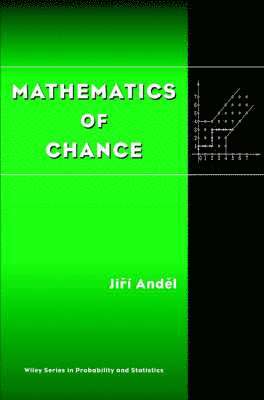
Mathematics of Chance utilizes simple, real-world problems-some of which have only recently been solved-to explain fundamental probability theorems, methods, and statistical reasoning. Jiri Andel begins with a basic introduction to probability theory and its important points before moving on to more specific sections on vital aspects of probability, using both classic and modern problems.Each chapter begins with easy, realistic examples before covering the general formulations and mathematical treatments used. The reader will find ample use for a chapter devoted to matrix games and problem sets concerning waiting, probability calculations, expectation calculations, and statistical methods. A special chapter utilizes problems that relate to areas of mathematics outside of statistics and considers certain mathematical concepts from a probabilistic point of view. Sections and problems cover topics including:* Random walks* Principle of reflection* Probabilistic aspects of records* Geometric distribution* Optimization* The LAD method, and moreKnowledge of the basic elements of calculus will be sufficient in understanding most of the material presented here, and little knowledge of pure statistics is required. Jiri Andel has produced a compact reference for applied statisticians working in industry and the social and technical sciences, and a book that suits the needs of students seeking a fundamental understanding of probability theory.
Del 35 - Mathematische Lehrbücher Und Monographien / Abteilung 1. Mathematische Lehrbücher
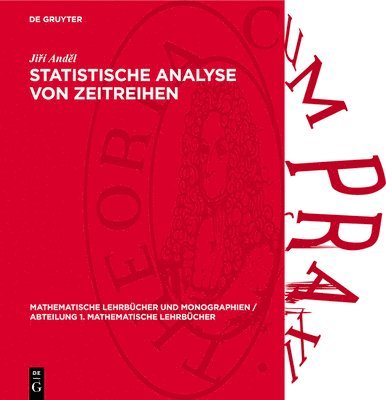
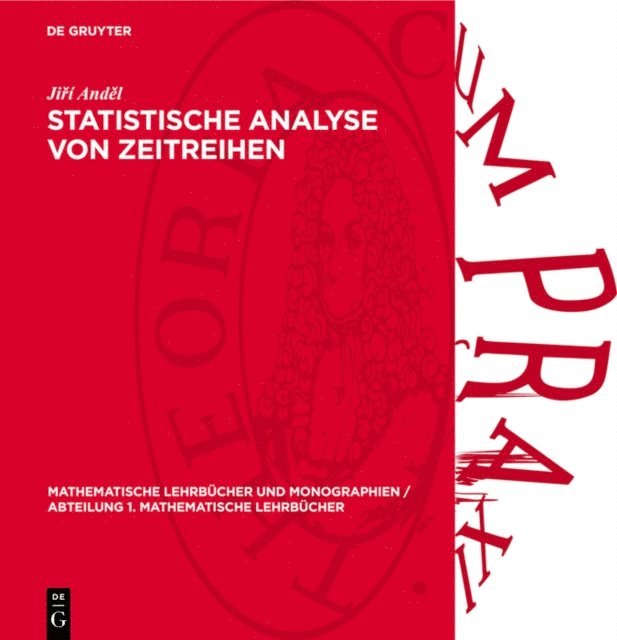
Statistische Analyse Von Zeitreihen
Inbunden, Tyska, 1984
1 786 kr
Skickas inom 7-10 vardagar
1 593 kr
Skickas inom 10-15 vardagar
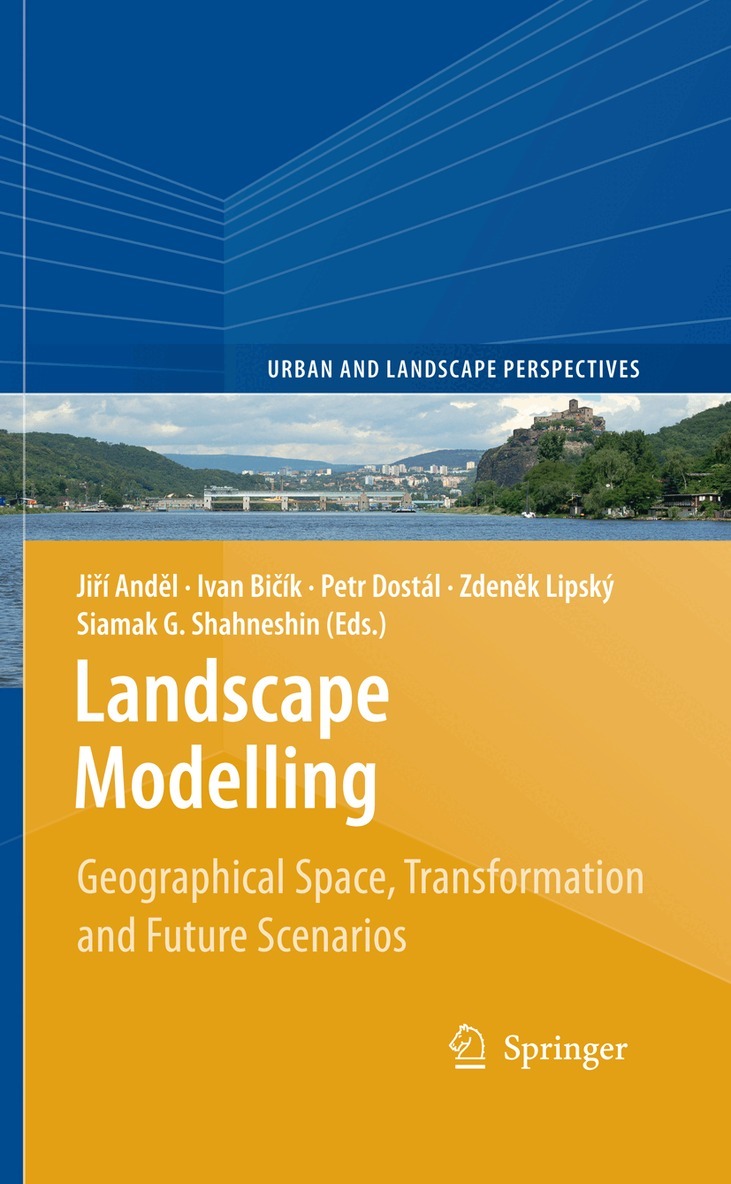
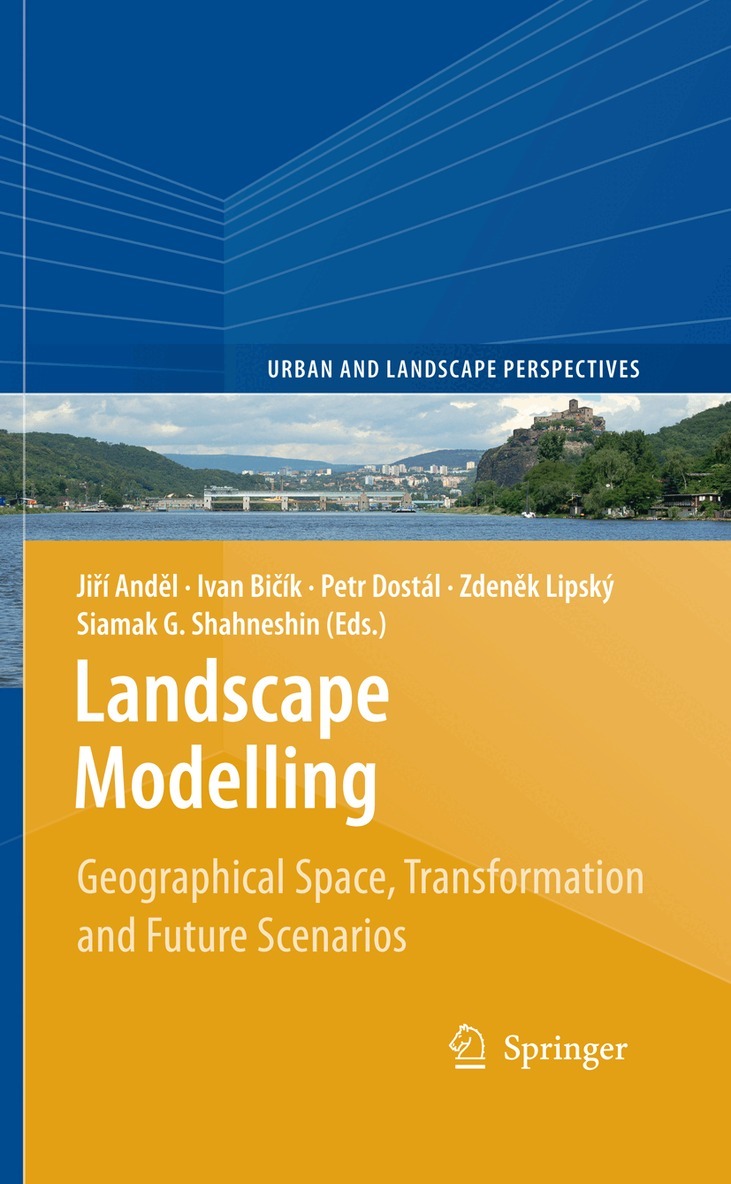
Landscape modelling integrates the differing perspectives of the many disciplines that deal with the landscape. It is motivated not only by the desire for scientific understanding, but also by the real-time demands of 21st century postindustrial society, which include the twin imperatives of stabilizing damaged ecosystems on the one hand, and finding effective ways to use the landscape on the other. The discipline has the specific goal of designing and assessing future scenarios of landscape development, while not losing sight of its past history, both ecological and socio-cultural. This book encompasses the interrelated disciplines of geography, landscape ecology and geoinformatics, and by drawing on their theories and methodologies introduces the concept of a living landscape with human action an inseparable part of its evolution. It offers researchers and decision-makers a number of ideas on how our landscape can best be utilized. The content reflects the need for sustainable landscape development, at the same time as considering long-term continuity as a major condition which enables us to maintain the diversity and multifunctionality of landscapes at regional and macro-regional scales. Employing advanced terminology and methods, this book provides specific results especially for scientists and landscape professionals.
1 593 kr
Skickas inom 10-15 vardagar
Landscape modelling integrates the differing perspectives of the many disciplines that deal with the landscape. It is motivated not only by the desire for scientific understanding, but also by the real-time demands of 21st century postindustrial society, which include the twin imperatives of stabilizing damaged ecosystems on the one hand, and finding effective ways to use the landscape on the other. The discipline has the specific goal of designing and assessing future scenarios of landscape development, while not losing sight of its past history, both ecological and socio-cultural. This book encompasses the interrelated disciplines of geography, landscape ecology and geoinformatics, and by drawing on their theories and methodologies introduces the concept of a living landscape with human action an inseparable part of its evolution. It offers researchers and decision-makers a number of ideas on how our landscape can best be utilized. The content reflects the need for sustainable landscape development, at the same time as considering long-term continuity as a major condition which enables us to maintain the diversity and multifunctionality of landscapes at regional and macro-regional scales. Employing advanced terminology and methods, this book provides specific results especially for scientists and landscape professionals.